











Discover Inclusive Magic With Chris Cole’s Stories
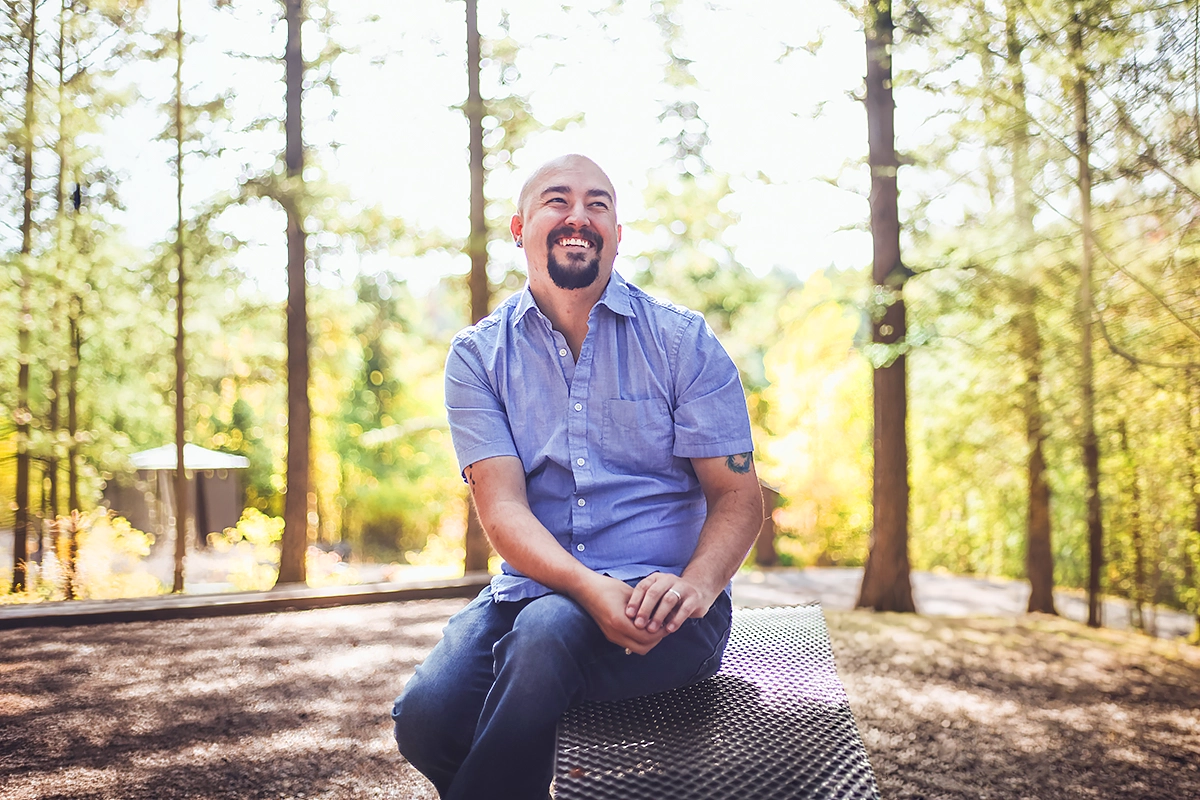
Photo: Chris Cole: Author of The Sword’s Secret, xe creates unforgettable queer stories that combine adventure, romance, and diverse representation.
Queer Romance Meets Action-Adventure In Dynamic Narratives
Chris Cole weaves engaging, inclusive tales blending mythological urban fantasy, queer romance, and action-adventure. Advocating empathy, representation, and lived truths, xe inspires readers with xim bold literary vision and compelling storytelling.
C hris Cole is a literary visionary, bringing dynamic energy to adult fiction, mythological urban fantasy, and queer romance. With a bold voice and a dedication to representation, Chris (xe/xim) masterfully blends adventure with emotional depth in works like The Sword’s Secret, part of the thrilling Ancient Wonders series. Xe champions diverse characters, crafting stories that celebrate lived experiences and challenge societal norms. Chris’ creative journey reflects xim passion for advocacy, empathy, and storytelling, delivering narratives that challenge boundaries and inspire readers universally. In this exclusive interview, we explore the fantastic worlds xe creates and the incredible mind behind them.
Chris Cole is a trailblazer bringing authentic representation to literature, crafting immersive, inclusive worlds with heartfelt creativity and passion.
What inspired you to write the “Ancient Wonders” series, and how did the idea for Rhys Wilder’s character develop?
I’ve always enjoyed action-adventure stories, from Indiana Jones, Tomb Raider, and Uncharted (the movies and video games), but my brain exploded into ideas when I watched “The Lost City,” with Sandra Bullock and Channing Tatum. I realized all these stories had everything I loved about storytelling, but were missing diverse representation. They were missing people like me.
Can you describe your writing process when creating a blend of urban fantasy and romance?
It’s actually a lot more work than I thought it would be, initially. I thought I’d create some characters, throw in some history that I can build on, and then add some fantasy components, and it would be done. The research turned into more than I thought it would entail, which helped enrich my world in the long run. I’m definitely more of a ‘pantser’ in my writing and have a hard time balancing plotting the books series I have in mind and the rules of the world I’ve created with allowing myself creativity. I also am not usually a fan of doing arduous research. Good thing I have characters who do that for me!
“I hope my stories help us equally empathise with people while understanding that some people don’t know how.” – Chris Cole
How do you approach developing diverse characters and voices in your stories?
Part of it is incorporating bits and pieces from people I come across, but I also like to look at underrepresented populations. Growing up in Southeast Idaho, most everyone was white and a specific flavor of Christian. So, I like to think in opposite terms most of the time while keeping in mind lived experiences of people like me and people not like me. I can do all I can to write from someone else’s perspective and honor their culture, ethnicity, and background, but I’m not perfect and get it wrong, which is why I think sensitivity readers/authenticity experts are such a vital part of the literary process.
What challenges did you face while writing about the Arthurian Legend and how did you address them?
In some ways, tales of Arthur are more complex because there are so many different takes out there. Finding something new and fresh while still keeping to the source material was important to me. Plus, I wanted to be inclusive and representative of modern-day people. Ultimately, I wanted to make this book different from other Arthurian legend retellings by reminding my characters—and the reader—that sometimes history is lost and never recovered. There are some things we’ll never know. And we just have to accept that.
“Banning and burning books tells us… knowledge is power, and they don’t want us to know things.” – Chris Cole
How do you balance the elements of adventure and personal growth within your narratives?
In some ways, I like my characters to have adventure happen to them, rather than them go seeking it out. I take a normal, average person and put them in extraordinary circumstances, and see what happens. Everything we know about our history has a lesson tied to it, and we’re all in the process of actively making history. So, people in my novels learn and grow from their experiences, just like many people in real life. The only difference is that readers don’t have to go through what my characters do in order to learn the lessons. I hope, anyway!
What themes do you see as central to your work, particularly in your adult vs. children’s books?
For my adult books, I focus on the complexities of our existence. The grey area in morals and ethics, and how people can treat each other in both good and bad times. To be human is to be flawed, and you can either accept that, recognize your flaws, and try to be as aware of yourself as possible, or beat yourself up every time you make a mistake, which is bound to happen.
For my children’s books, I want to focus mostly on empathy. I have a bunch of ideas and have been working on a series of picture books for kids who are just starting to read, and a young adult fantasy series. The older we get, the more complicated the themes get. I hope all of my stories help us equally empathize with people while understanding that some people don’t know how.
How has your background or personal experiences influenced your writing?
I wouldn’t be an author if it weren’t for my life experiences, especially deciding to live authentically and out as a member of the LGBTQ+ community. I’ve always loved telling stories, and being an author has allowed me to do so, putting the things I’ve learned into writing. There are pieces of me in all of my books. It’s equally vulnerable and somewhat safe while hopefully letting other people out there know that life exists beyond the hate, bigotry, and walls people put up trying to suppress or even annihilate the queer community. I think being part of a community that experiences systemic oppression has helped me become more empathetic, informed, and active in advocacy work. And part of that work is telling stories of queer people living authentic queer lives.
What advice would you give to other authors looking to write engaging stories for both adults and children?
Books are political. Writing a book and publishing it is an act of engaging in the politics of knowledge, empathy, and oftentimes subject matter our lawmakers don’t want to address. The more a story needs to be told, the more it is likely to be suppressed by opposition who would rather bury their head in the sand and pretend there are no problems than use their privilege to do their part in fixing the problems benefiting them, and not others. Banning and burning books tells us all we need to know about those kinds of people: knowledge is power, and they don’t want us to know things, and therefore don’t want us reading and gaining knowledge. Because with knowledge comes empathy, and oftentimes a desire to help humanity as a whole, rather than supporting the elites who want their power and control to be complete.