










Matt Nagin Embodies The Art Of Laughter, Poetry, And Creative Expression
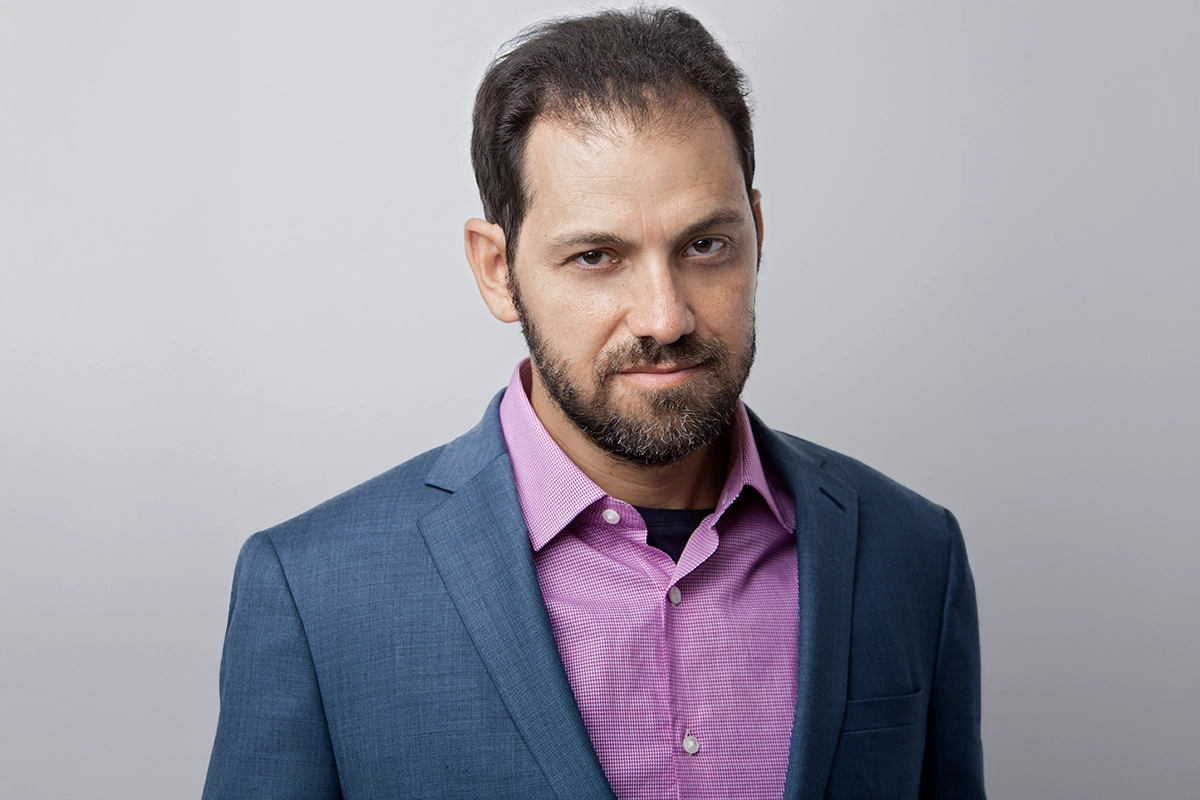
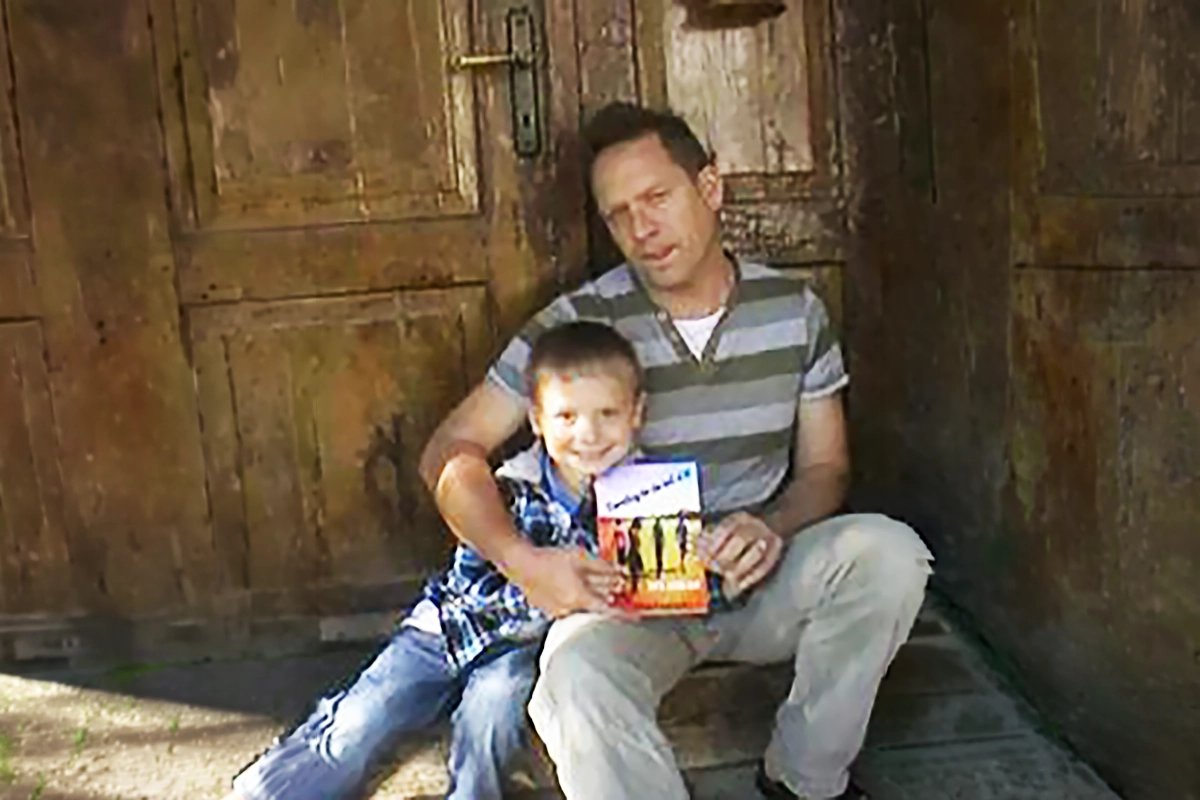
Photo: Matt Nagin: Award-Winning Author, Poet, Comedian, And Filmmaker With A Passion For Blending Heartfelt Insights And Humour Across Creative Media.
From Stand-Up Stages To Literary Pages
Matt Nagin shares insights into his creative journey across writing, comedy, and filmmaking. He discusses blending humour with serious themes, overcoming challenges, charitable work, and his advice for aspiring authors.
M att Nagin is a literary visionary whose multifaceted career as an award-winning author, comedian, poet, and filmmaker showcases his remarkable creative prowess. Known for thought-provoking works like The Book of Outcasts and Do Not Feed the Clown, Matt masterfully blends humour, surrealism, and existentialism across genres including literary fiction, satire, and poetry. His poetic talent has earned him critical acclaim, with Kirkus Reviews calling his verse “powerful” and “real.” Whether captivating audiences on stage, crafting memorable narratives, or supporting charitable causes, Matt’s unique creativity inspires and resonates globally. Join us as we explore his artistry, insights, and advice for aspiring creatives.
Matt Nagin’s creative brilliance across literary fiction, poetry, and comedy illuminates profoundly resonant themes through his wit and authenticity.
What inspired you to pursue both comedy and writing as your creative outlets?
I started writing at a young age. It was a great way to express myself. Much of my writing was comedic so I fell into standup comedy over time.
How do you balance your time between stand-up comedy, writing books, and filmmaking?
It’s difficult sometimes. I don’t have much of a social life these days so that makes it a bit easier.
Can you share a memorable experience from performing at the Edinburgh Comedy Festival?
I got heckled by a New Zealander. I made fun of him and his girlfriend, and, since he was drunk, he bumrushed the stage and threatened to make me pay. People started walking out. Eventually, I convinced him to leave. People started filtering back in. I actually had a great set and made fun of him a bunch and people enjoyed the show and the spontaneous riffs it provoked.
“Powerful verse from a writer of real talent.” – Kirkus Reviews
How did working with someone like Al Pacino on “Hunters” influence your approach to acting?
It was only a one day shoot but I felt I absorbed a lot about acting just from watching someone as talented as that work. It didn’t change my approach though. Maybe just inspired me a bit.
What was the biggest challenge you faced while writing “The Book of Outcasts”?
Completing the book and putting it out there. I have a hard time dealing with rejection. Writing exposes a lot about a person, quite often, even in fiction. So it’s hard just putting it out there. Getting over perfectionism. But once I did and it was out of my hands that was a nice feeling too. Letting go.
The Book of Outcasts is a notable read that demonstrates Matt Nagin’s skill in creating memorable short fiction. Absolutely spectacular and very, very highly recommended. – Asher Syed, Readers’ Favorite
Can you tell us more about the process of directing and writing your short films like “Inside Job” and “Sorry Mom”?
If I get inspired with an idea I’ve written short films spontaneously. That happened in both of these cases. Then it was just a process of seeing if I could get it made. There’s a lot that goes into making a film, even a short film. Finding locations, securing permits if needed, hiring actors and crew and then in post-production a lot more (color correction, sound design, music etc.). It really is a major process. But you really do learn a great deal by doing it–as with everything.
How do you approach blending humour with serious or existential topics in your poetry and books?
In life we all pretty much navigate between these two different modes. Something tragic can also be humorous and vice-versa (i.e. gallows humor). So it’s just a matter of painting a situation or experience in different lights or modes. Adding these different layers can provide more complexity and resonance to a project so I really do enjoy it.
What is the most rewarding part of your involvement with charitable organisations like the Gotham Comedy Foundation?
Giving back.
Do you prefer performing live comedy or writing books, and why?
I like them both. But if I had to pick only one I’d go with writing. It is just what I like most.
“Nagin’s short essays mix Frank Zappa, Lewis J. Carroll, and Monty Python together with post beatnik wacky introspection. An automatic attitude adjuster for those who wish to use comedy to feel good and relieved of woes.“ – Ferris Butler, former Writer on Saturday Night Live
What is your number one writing tip for aspiring authors?
Set small goals. Take the pressure off. Keep it casual. One way to do this is to write on a time schedule. For instance, write one hour each day. Write down the time when you are set free. Don’t do word counts. That’s too intense for many. Do time sitting in front of the computer or notepad. You will probably work more than an hour but you have a minimum to meet and that helps defeat resistance.
What advice would you give to aspiring authors looking to establish themselves in the creative world?
Keep your head down and go to work. Spend as much time as possible in the creative realm. There are other skills you need to learn–promotional and marketing skills, building relationships, attending conferences and festivals etc. But, at bottom, what’s most important is a consistent work outflow.
How do you stay motivated and inspired across such a wide range of creative pursuits?
It’s all just different version of the same work. Or different modalities for expressing a common set of themes. Motivation is inner-driven and can’t be explained entirely. But I suppose it’s just you feel you have something to say and that keeps you in the game.