








Unlocking the Soul: Melissa Burch’s Journey from War Correspondent to Spiritual Storyteller
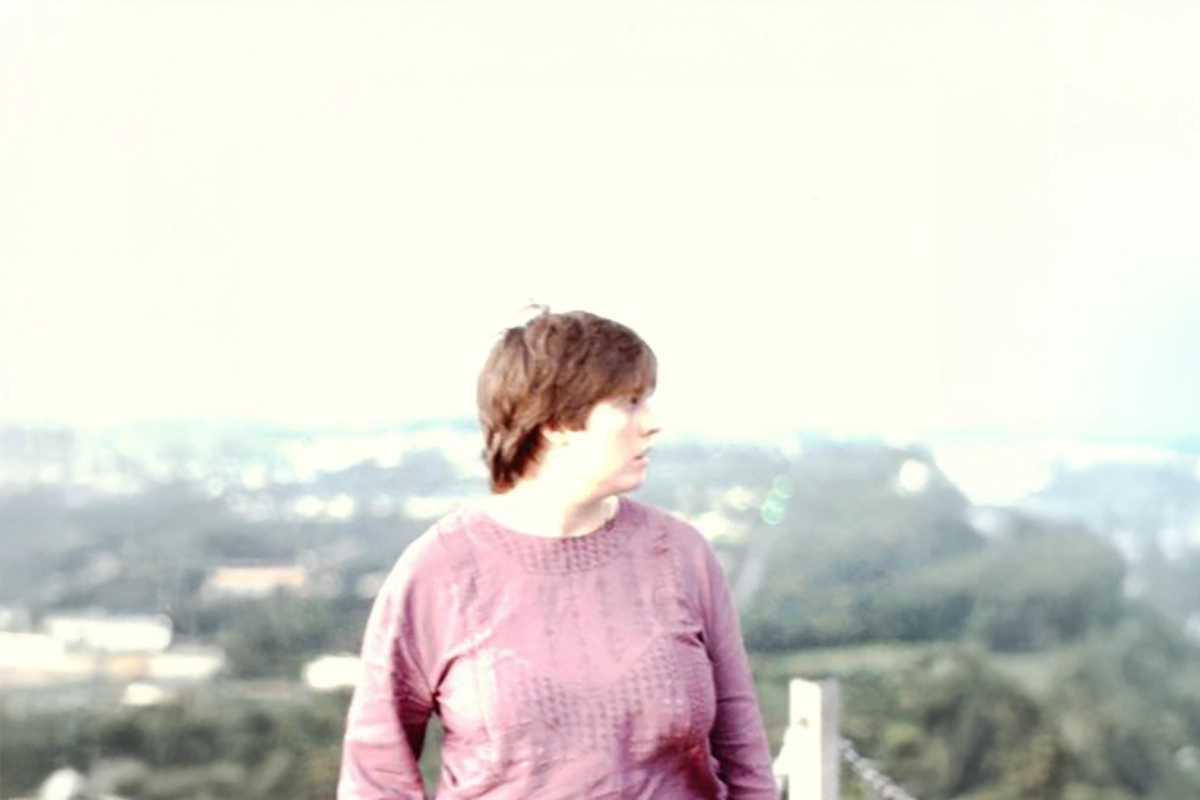
Photo: Melissa Burch – Bestselling author, war correspondent, and spiritual storyteller, inspiring others with her courage, wisdom, and profound insights.
A War Correspondent’s Journey to Spiritual Growth
War correspondent turned writer Melissa Burch explores journal writing as a tool for self-discovery, healing, spiritual growth, and storytelling transformation, empowering readers to embrace their truest selves.
M elissa Burch is an extraordinary storyteller whose life reads like a captivating and profound masterpiece. A former war correspondent, bestselling author, and spiritual seeker, Melissa’s transformative journey has led her from reporting in the heart of war zones to discovering the depths of personal and spiritual growth through journal writing. Her memoirs, “My Journey Through War and Peace” and “Yearning for Magic”, along with her insightful guide, “The Four Methods of Journal Writing: Finding Yourself through Memoir”, invite readers to explore their inner worlds, heal through reflection, and uncover their truest selves. Melissa’s work is a remarkable testament to the power of personal truth, courage, and intuition, as she weaves her rich experiences into narratives that inspire growth in us all.
This thought-provoking interview unearths Melissa’s wisdom on journal writing as a transformative tool, her harrowing yet enlightening experiences in Afghanistan, and her empowering advice for those seeking to find their voice through memoir writing. Melissa reminds us of the profound connections between authentic storytelling and spiritual awakening.
Melissa Burch is a beacon of inspiration, weaving raw experiences into transformative stories that empower self-discovery, intuition, and personal courage.
What inspired you to start journal writing and explore it as a method for self-discovery?
I started journaling as a teenager, initially as a way to vent. Growing up with an alcoholic mother gave me plenty of material to write about as I tried to understand the intensity of my emotions. Later, I used journaling to process daily life, envision my future, and explore my deepening spiritual experiences.
Can you elaborate on the four methods of journal writing described in your book?
In “The Four Methods of Journal Writing: Finding Yourself through Memoir,” I share four distinct approaches to journal writing that I’ve developed over decades of practice.
The first is stream-of-consciousness writing, where you allow thoughts to flow onto the page without censorship or judgment (based on Julia Cameron’s morning pages).
The second is deep questioning that moves from emotions to archetypes to abstract language, revealing unique patterns in yourself that unlock guidance tools. This approach is based on my homeopathic caretaking method.
The third method involves tracking your passions, ideas, and plans so nothing gets lost. This ensures you can take action in the future, knowing you have a place where your creative self is acknowledged and documented.
Finally, there’s focused reflection, where you remember significant years of your life and map the themes over time. This method creates an opportunity to develop an outline for your memoir.
Each method serves different purposes, and I encourage writers to experiment with all four to discover which resonates most deeply with their personal journey.
“Journal writing creates a sacred space for honest self-examination, something increasingly rare in our image-obsessed, distracting culture. When we write without an audience in mind, we can explore our shadow sides, contradictions, and deepest yearnings without fear of judgment.” – Melissa Burch
How did your experiences as a war journalist influence your memoir writing approach?
As a female war journalist embedded with the mujahideen, I had incredible stories I’d been sharing with friends and family for years. Writing “My Journey Through War and Peace” was my opportunity to share what happened to me, the lessons I learned, and the pivot I took after realizing that political news is about agendas and not necessarily the truth.
I also discovered how memory can be awakened through the review process. I could retrieve incredible details that didn’t initially make sense, but the internet allowed me to verify their accuracy. For example, I remembered Peshawar being full of roses and thought that was strange, but I discovered the British had planted them, making roses part of the town’s lore.
Through memoir writing, I also understood how I was spiritually guided for the rest of my life. Only by revisiting these experiences could I pinpoint the exact situation that gave me this faith. A voice out of nowhere saved my life, and whenever I hear “this voice,” I follow it no matter what—and it’s never been wrong in over forty years.
What challenges did you face while writing and sharing such personal aspects of your life?
The greatest challenge was confronting my shame and self-judgment about my body, my sexuality, cultural failures, anxiety, bisexual relationships (still closeted to most people close to me), and the ways I failed myself and others during my darkest times. I questioned whether exposing my wounds served any purpose beyond self-indulgence. I worried how family and friends would react to my version of our shared experiences.
Yet I realized how important sharing my story was. Few narratives exist, especially from women of my generation, about the heroine’s journey and adventure. Women’s experiences of war, danger, sexuality, and transformation are largely absent from literature. I had to trust that my story, with all its imperfections, pain, and courage in facing difficulties no matter what, might offer hope to someone else in darkness while adding a woman’s voice where it’s desperately needed.
“There is a tone in Melissa’s voice on the page which provides comforting guidance. This [journal writing] book is a book you give yourself or your loved ones who know so much is locked up inside, begging to come out.” – Melissa Burch
How do you think journal writing contributes to personal growth and spiritual development?
Journal writing creates a sacred space for honest self-examination, something increasingly rare in our image-obsessed, distracting culture. When we write without an audience in mind, in the privacy of our own space and time, we can explore our shadow sides, contradictions, and deepest yearnings without fear of judgment. This practice develops what I call “witness consciousness,” the ability to observe our thoughts and emotions without being completely consumed by them. Over time, this witnessing creates distance between our core self and our reactive patterns, allowing us to make more conscious choices. Spiritually, journaling becomes a form of meditation, a conversation with the divine, and a record of our soul’s evolution.
What advice would you give to someone who wants to start writing a memoir but feels overwhelmed?
Start small and start now. Don’t begin with the intention of writing an entire book—that’s paralyzing. Instead, choose one vivid memory, one transformative moment, and write about it in detail. Focus on sensory information: what you saw, heard, smelled, felt. Let yourself write badly. The first draft is always terrible, and that’s perfectly fine. Also, remember that memoir isn’t autobiography. You don’t need to tell your entire life story chronologically. Find the thematic thread that connects your experiences, the central question your life has been trying to answer. Most importantly, write for yourself first, for healing and discovery. The reader can come later.
Can you share an example of a transformative moment you experienced through journal writing?
One of the most transformative moments came while I was reporting in Afghanistan. I became irrationally obsessed with the idea that I needed to get home for Christmas. When our mujahideen drivers stopped on the road to pray, I was so consumed by this urgency that I actually shoved one of them, trying to force him to keep driving.
A few minutes later, our convoy was flagged down by another group of mujahideen who warned us to stop. They had just mined the road ahead. If I had not insisted on getting back on the road, we would have driven straight into those mines and been killed.
That moment taught me to trust the wisdom that comes through intuition and to pay attention to the inner voice that sometimes knows things our conscious mind doesn’t understand. Years later, while writing my memoir, I realized this was the first time I had learned to trust my intuition completely, no matter how irrational it seemed. Suddenly, it made sense why I’ve always had such deep certainty around my intuitive knowing.
How do you balance vulnerability and privacy when writing about deeply personal experiences?
This is perhaps the most delicate aspect of memoir writing. Early in my career, I co-produced a forum and TV series specifically created for women to tell their stories publicly, because so many women had been silenced, either by external forces or by their own internalized fear. As an advocate during a time when there were very few platforms for women to share their lived experiences, I developed a deep belief that speaking from personal truth is transformative for both the storyteller and the audience.
When it comes to my own writing, I’ve learned that vulnerability doesn’t require exposing every detail. I protect the privacy of others by changing names and identifying details when necessary, while still honoring the emotional truth of the experience. The goal isn’t to reveal everything but to reveal what matters, what connects us, and what can help someone else feel less alone.
How did your time in Afghanistan shape your perspective on storytelling and exploration?
Afghanistan taught me that the most compelling stories are found in the spaces between official narratives and lived experience. As a journalist, I was there to report on war, but what I discovered were stories of resilience, humor, love, and ordinary humanity persisting in extraordinary circumstances.
I also learned firsthand how legacy media would manipulate facts and footage to serve their agenda. I watched them use training footage to make battle scenes look bigger than they actually were. I saw them change casualty numbers in later reports to make events seem less politically charged. This was a devastating realization: the personal truth I was witnessing on the ground, the full complexity of human experience, was often in direct contradiction to what was being packaged as “news.”
That experience fundamentally changed how I approach storytelling. I became committed to honoring the raw, unfiltered truth of what people actually live through, rather than shaping their stories to fit predetermined narratives or agendas. It’s why memoir writing became so important to me. It’s one of the few forms where we can tell our stories exactly as we experienced them, without editorial manipulation or institutional control.
What elements do you believe make a memoir truly resonate with its readers?
A great memoir balances the specific and the universal. Readers need vivid, concrete details that make your experience real and immediate, but they also need to see themselves in your story. The most resonant memoirs explore questions we all grapple with: How do we survive loss? How do we forgive ourselves and others? How do we find meaning in suffering? Additionally, readers respond to honesty—they can sense when a writer is performing virtue or hiding behind a carefully constructed persona. Finally, transformation matters. Readers want to journey with you from one state of being to another, to witness growth or deepening understanding, even if that transformation is subtle or ongoing.
How has your journey as a writer influenced your career in other fields, such as homeopathy?
Writing taught me how powerful it is to get ideas out into the world. In my homeopathy career, I wrote books to teach practitioners advanced techniques, a very different type of writing than memoirs. Through that process, I learned how the publishing industry works and gained valuable experience in book marketing.
Later, when I began writing memoirs, I experienced firsthand how challenging it is to launch a book successfully. The combination of my technical publishing knowledge from the homeopathy books and my personal experience navigating the memoir publishing process showed me exactly where authors need support. That dual perspective became the foundation for the services I now offer to other writers.
My son Alexander and I run A&A Publishing and Marketing, where we help authors self-publish and market their books to reach their intended audience. We provide comprehensive support, from formatting books and design to strategic marketing and distribution, while allowing authors to maintain full control and rights over their work.
What advice would you offer to other authors who are looking to write meaningful and impactful books?
Write from your passion, whatever fascinates you most, whether that’s memoir, a how-to book, a thriller, romance, or any other genre. Give yourself time to write, reflect, and revise. Read widely and deeply in your genre to understand what’s already been said and what unique contribution you can make. Most importantly, trust your own story and your own voice. The world doesn’t need another imitation. It needs your authentic experience and hard-won wisdom.