












The Art of Storytelling with D. P. Lyle
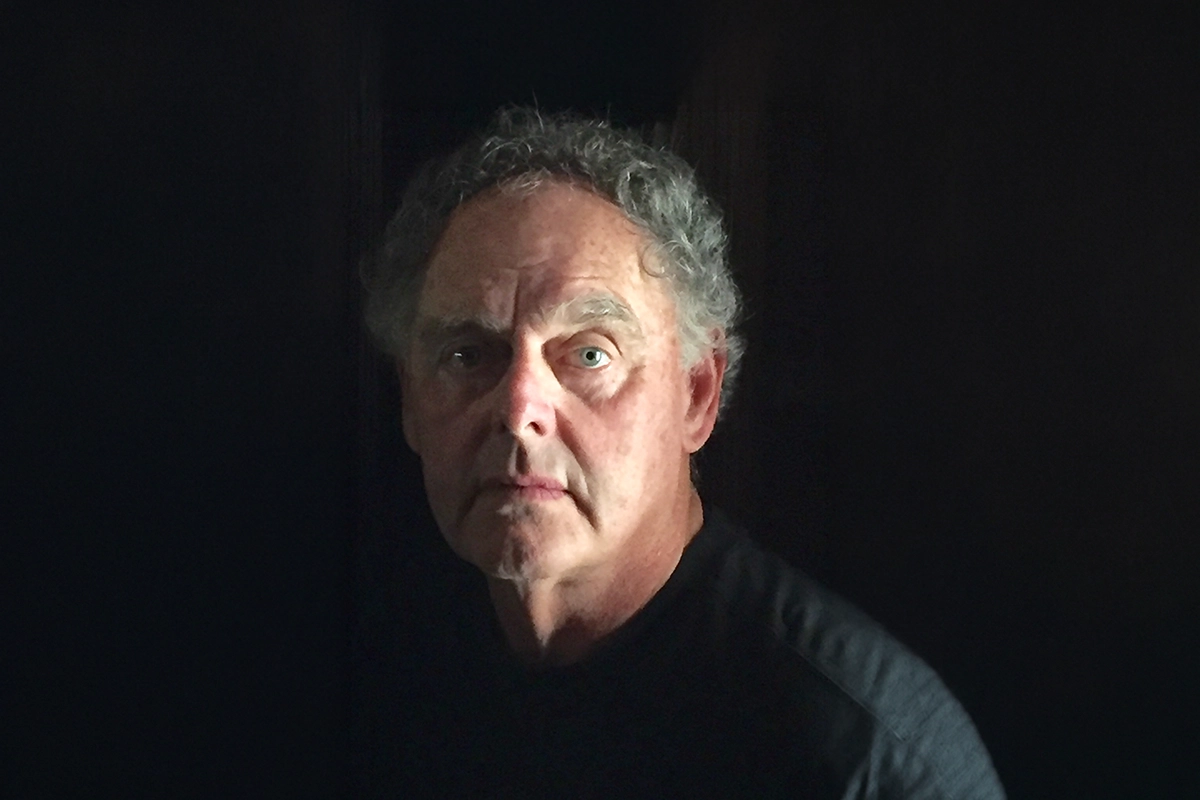
Photo: “D. P. Lyle – Bestselling Author, Master Storyteller, and Forensic Science Expert Transforming Thrillers and Mysteries with Heart and Humour.”
Crafting Thrills, Mysteries, and Comedy
D. P. Lyle shares insights into his crime fiction journey, blending forensic expertise with storytelling, creating unforgettable characters, and inspiring writers through craft, humour, and heartfelt dedication.
D . P. Lyle is a masterful storyteller whose compelling blend of thrillers, mysteries, and comedy has captivated readers across the globe. As an Amazon #1 bestselling author, his extensive work spans acclaimed series such as Jake Longly, Samantha Cody, and Cain/Harper, in addition to popular media tie-in novels for shows like Royal Pains. With a unique background in cardiology, fused with an in-depth understanding of forensic science, Lyle masterfully enriches his crime fiction with realistic investigative details that leave readers enthralled. Beyond his books, his dedication to teaching and mentoring authors through the Outliers Writing University has made an indelible mark on the writing community. Whether exploring the intricacies of crafting unforgettable characters or unravelling thrilling mysteries, D. P. Lyle continues to push storytelling boundaries.
D. P. Lyle’s unparalleled storytelling skill, forensic expertise, and wit make him a shining star in crime fiction and beyond.
What inspired you to transition from a career in cardiology to writing fiction and non-fiction?
I grew up in the Deep South, where storytelling as a way of life. Everyone I knew could spin a yarn, as we call it. I could, too. Also, I began reading at a young age and immediately fell in love with those stores. As the years rolled by, I had stories I wanted to tell, but I wasn’t sure I was capable of writing them. I promised myself that when I retired from medical practice, I would sit down and give it a shot. But approximately 30 years ago I realized retirement was far in the future, and so I asked myself, “If not now, when?” I took some classes at the University of California, Irvine, joined a couple of writing groups, and just started writing. And never stopped.
How do you balance your medical background with your passion for storytelling?
My medical background led me into writing books on forensic science. I also loved crime fiction and read those stories frequently. So when I decided to tackle fiction, I that was the genre I chose. Of course, forensic science plays a role in these types of stories, so my self-education in that arena helped a great deal in telling those stories. People often ask, if you’re a medical doctor, how did you learn so much about forensic science? Actually, it was easy. The science is the same. Forensics is simply looking at that science through the lens of the law.
We all know Lyle’s erudition and expertise – but who knew he was this funny?—-Lee Child, NY Times Best-Selling Author
Which of your characters do you feel the most attached to, and why?
Actually, there are two. Jake Longly and Samantha, Cody. Jake is a lovable guy and a total slacker. I call him a reluctant PI as he is constantly dragged into cases by his father Ray and his best friend Pancake, who are real PIs. Jake wants no part of any of it. There’s a lot of me in Jake but there are also parts that are nothing like me. Jake is very unambitious and completely type B. That’s not me. Sam is a female cop who also happens to be a professional boxer. She can be snarky and sarcastic and does not suffer fools well. I love that about her. If you are her friend, then you’re her friend for life. But if you cross her, you’ll probably get taken out with the lift hook.
What research process do you follow when writing thrillers with forensic or investigative elements?
Fortunately, I am already well-versed in the field, so I rarely have to do any research. When I do, it’s about a small point that just needs better clarification.
The characters are fresh and well-defined, but it’s Jake’s snappy patter and amusing riffs, often focusing on his monumentally annoying ex-wife, that drive the narrative to its Glock-blazing conclusion. This series just keeps getting better.—Publishers Weekly
Can you share the challenges of writing both non-fiction forensic books and fictional thrillers?
I get asked that question often. Writing fiction and writing nonfiction are exactly the same, only different. With nonfiction you do the research first, organize the information, and then write it while employing some of your fictional techniques. With fiction, I tend to do just enough research to get the story started and more often than not that’s none. I’m a devoted pantser so I typically only know a scene or two and very little else when I start a story. I then do the needed research along the way. Nonfiction writing must be cleaner and more technical while fiction is inherently messy. But that’s what makes it fun.
How did working with television writers influence your own storytelling techniques?
Screenwriting requires a strict economy of words. There’s no room for fluff or useless dialogue, and transitions must be clean and efficient. I frequently read screenplays, because I think they add a certain rhythm to writing that can’t be gathered anywhere else. So, screenwriters offer the novelist a handful of useful tools.
DP Lyle writes wonderfully and with real insight. He’s a born storyteller.–Peter James, bestselling author of the Roy Grace thriller series
What has been the most memorable experience from teaching at CraftFest or other writing schools?
There are too many to count. I love teaching. I actually created CraftFest and ran it for 15 years. I think the greatest reward was bringing together a wonderful group of teachers to populate the 30 or so CraftFest classes we presented each year. Many of those same teachers now teach for us at the Outliers Writing University.
How do you approach creating compelling and relatable protagonists like Jake Longly or Samantha Cody?
Interesting that you would ask about these two characters since they are indeed my favorites. I approached each of them the same. Since I rarely know where my story is going, and in the beginning of a series only know my characters superficially, I create a mental image of who they are and just start writing. I learn who they are, how they think and speak, and how they act and react as the writing goes along. That’s what makes fiction writing so much fun.
“Writers write. If your goal is to be a successful author, sit down and write.” – D. P. Lyle
What advice would you give to aspiring writers navigating the thriller genre?
The major thing for any writer is to discover your own voice. That’s essential. Tell your story, your way. Secondly always filter your story through a character. Every story is about a character and so, as a writer, you have to let that character tell the story that must be told.
In your experience, what is the key to writing realistic and engaging forensic details in novels?
Less is best. You need to understand the forensic details, but you do not have to put them in your books. Don’t stop the story to explain things in great detail, because at the end of the day, the reader does not really care about reading a science manual. If it comes to the choice of confusing the reader slightly or boring the reader, choose the former.
How can new authors effectively research and incorporate forensic science into their writing?
The obvious answer for me is to buy one of my two forensics like books: FORENSICS FOR DUMMIES and HOWDUNNIT: FORENSICS. The former is a quick read while the latter is quite dense and filled with a great deal of information. Other than that, online research using your search engines and AI can be essential. Just remember to double- and triple-check everything that you uncover. And always consider the source.
What would you tell an author struggling to refine their craft or break into the publishing industry?
Read, read, read, write, write, write, edit, edit, edit, repeat. Writers must read and writers must write. Also, of course, I highly recommend Outliers Writing University. As one of the co-creators I’m biased but we offer quality instruction in an online university that is ongoing with several classes each month. Each of our teachers is a working, best-selling author and a gifted teacher. Best of all, the classes come to your home over ZOOM. How much more convenient and useful could it be?
D. P. Lyle is the Amazon #1 Bestselling; Macavity and Benjamin Franklin Award-winning; and Edgar(2), Agatha, Anthony, Shamus, Scribe, Silver Falchion, and USA Today Best Book(2) Award-nominated author of 26 books, both non-fiction and fiction, including the Samantha Cody, Dub Walker, Jake Longly and Cain/Harper thriller series and the Royal Pains media tie-in novels. He also has 7 published short stories.
He hosts the Crime Fiction Writer’s Blog, the Criminal Mischief: The Art and Science of Crime Fiction YouTube/podcast series, and is co-creator of the Outliers Writing University. He has worked with many novelists and with the writers of popular television shows such as Law & Order, CSI: Miami, Diagnosis Murder, Monk, Judging Amy, Peacemakers, Cold Case, House, Medium, Women’s Murder Club, 1-800-Missing, The Glades, and Pretty Little Liars.