










Historical Fiction And Espionage Thrills – Inside Jim Stovall’s Creative Mind
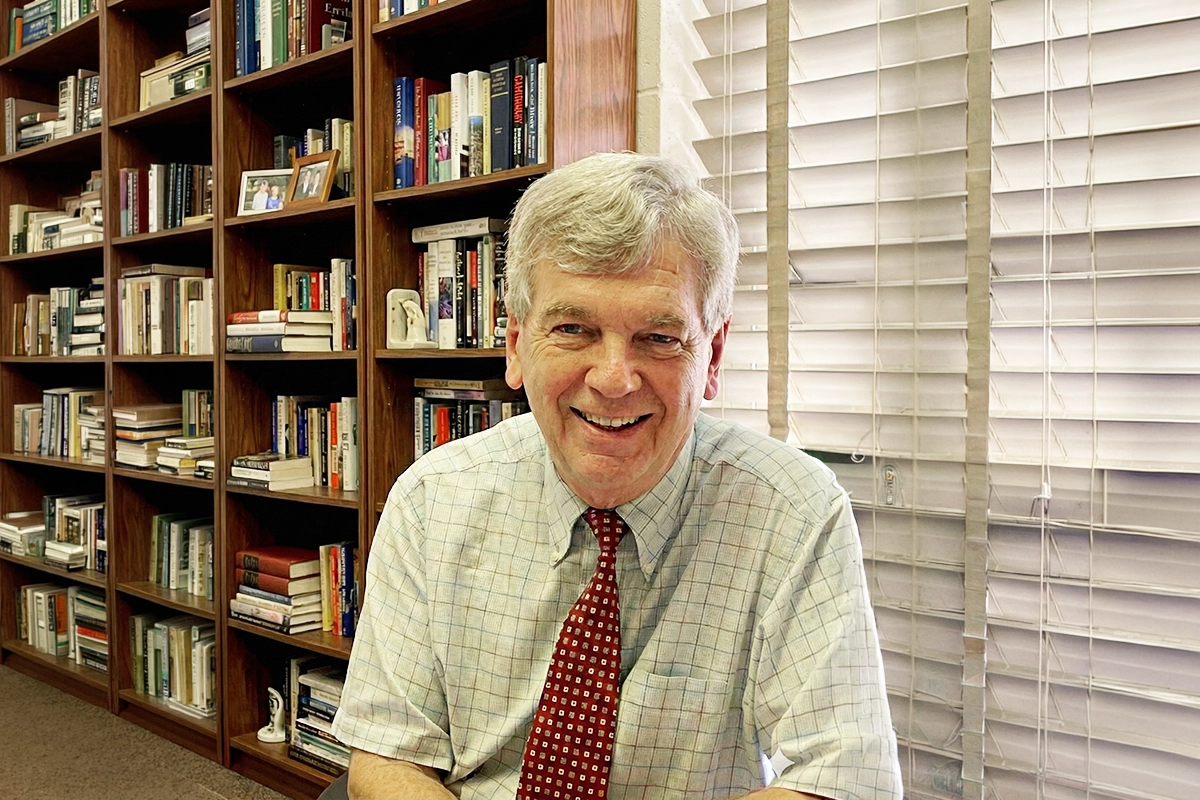
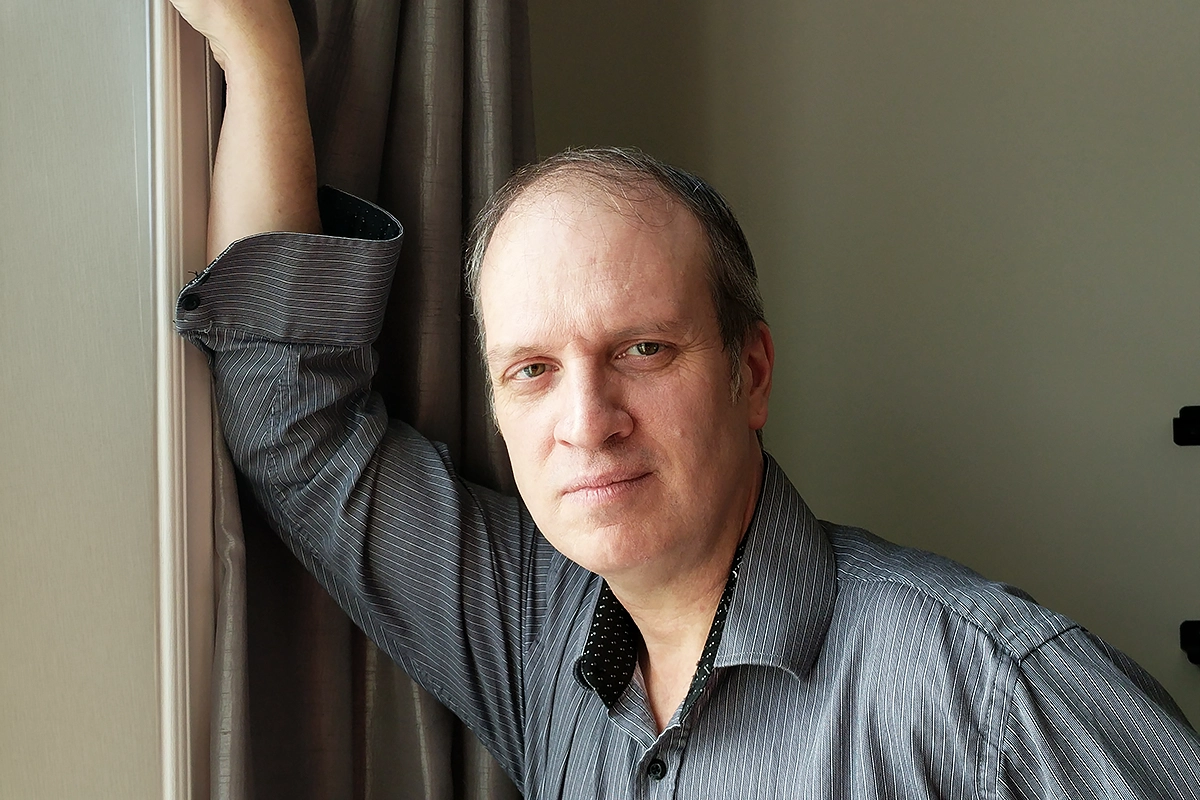
Photo: “Jim Stovall – Merging Journalism With Fiction For Authentic And Thrilling Historical Stories”
Rigour And Imagination Build Remarkable Stories
James Glen Stovall discusses his career from journalism to fiction, the process behind espionage thrillers like The Krupp Gambit, maintaining historical accuracy, and balancing creativity with personal interests.
J ames Glen (Jim) Stovall is an author whose expertise spans journalism, historical fiction, and espionage thrillers, all of which benefit from his remarkable ability to merge factual precision with captivating storytelling. A distinguished journalism professor and prolific writer, Stovall demonstrates how history can both anchor and inspire creative exploration. His Nathan Tower series, notably The Krupp Gambit, exemplifies his knack for creating compelling characters within richly detailed historical contexts. Stovall’s commitment to historical accuracy, coupled with his journalistic discipline and imaginative flair, ensures that his novels resonate with authenticity and intrigue. We are delighted to feature Jim Stovall, an author whose works exemplify the perfect blend of fact and fiction, and whose dedication to storytelling inspires readers and writers alike.
Jim Stovall is a master of blending journalistic precision with thrilling fiction, crafting authentic stories that resonate with readers.
What inspired you to transition from journalism to writing fiction and novellas?
The transition felt less like a departure and more like a natural evolution. As a journalist and professor, my career was dedicated to the pursuit of factual truth—getting the details right, verifying sources, and presenting reality as clearly as possible. However, history is full of gaps that facts alone cannot fill. I found myself fascinated by the “what ifs” and the human emotions that often go unrecorded in official archives. Fiction gave me the license to step into those gaps. It allows me to use my research skills to build a factual foundation, but then use imagination to explore the human condition within those historical constraints.
How did your experiences as a journalism professor influence your approach to writing books?
Teaching writing and authoring Writing for the Mass Media instilled in me a deep respect for clarity and economy of language. In journalism, you learn that every word must earn its place on the page. I try to bring that same discipline to my fiction. My academic background also ingrained in me the habit of rigorous research. Whether I’m writing about the Civil War or an espionage plot, I approach the background information with the same scrutiny I would expect from a reporter.
“Stovall brings a journalist’s eye for detail to the world of espionage, creating a landscape that feels both authentic and thrilling.” – Reader Review
What was the creative process like for developing Nathan Tower as a character in The Krupp Gambit?
Nathan Tower emerged from my interest in the intersection of ordinary people and extraordinary historical forces. I didn’t want a “super spy” in the James Bond mold; I wanted a character who felt grounded, someone who brings a professional, almost workmanlike competence to the high-stakes world of espionage. The process involved looking at the geopolitical tensions of the late 19th century and asking what kind of person would be needed to navigate them—someone observant, slightly detached, but deeply principled. Nathan Tower realizes that the United States is emerging from a devastating Civil War and becoming a world power. His country needs the tools—especially an intelligence system—to operate in that world. It is a world of undeclared but “constant war.”
How do you maintain the historical accuracy in your espionage thrillers?
Accuracy is paramount to me, likely a holdover from my days in the newsroom. I rely heavily on primary sources, maps from the era, and historical accounts of the specific locations I’m writing about. If I place a character on a street corner in 1880s Europe, I want to know what building was there and what the conditions were. But I try to keep all that in the background. The characters, action, and plot are most important.
Can you share your routine or process for writing, given your diverse daily activities?
With so many divergent interests, I never know exactly how my day is going to develop. I’m very comfortable with that. The writing will get done, but I don’t obsess over it—which goes against the writing advice of many writing coaches. I am a regular visitor to our local library, which is an outstanding facility, and that’s where I can work in a pleasant environment without a lot of distractions.
“Journalism taught me to respect the facts; fiction allows me to explore the truth behind them.” – Jim Stovall
How does your faith and Methodist background influence your writing and storytelling?
My faith is central to who I am and how I view the world. In the Methodist tradition, there is a strong emphasis on “social holiness” and the idea of working to advance the Kingdom of Heaven on Earth. While my thrillers aren’t “religious fiction” in the traditional sense, this worldview influences the moral universe my characters inhabit. Themes of redemption, the weight of ethical choices, and the complexity of human nature are always present. Working on projects like the Grace for All podcast keeps me grounded in these theological questions, which inevitably bleed into the way I write about conflict and resolution. In addition to Wesleyanism, I am heavily influenced by the Jewish recognition that wisdom is cumulative but rarely final. Life offers complexities and contradictions. We must simply deal with those as we find them.
What were the biggest challenges you faced while writing Writing for the Mass Media?
That book was written and first published in the 1980s. At the time, there was no book like it, no model that I could follow. Much to my astonishment, others in the field of journalism and mass communication found it valuable and useful. The book went through nine editions and was still in print 35 years later when I retired. It was used as a text at more than 500 colleges and universities around the world.
What advice would you offer to aspiring authors exploring historical fiction or espionage genres?
Do your homework, but don’t let the research paralyze you. It is very easy to get lost in the rabbit hole of researching a specific time period and never actually write the book. You have to trust that you know enough to start, and you can always verify the specific details later. Also, remember that readers of these genres are smart; they appreciate authenticity. If you get the small details right—the slang, the technology of the time, the clothing—they will trust you with the big lies of your fiction. I have always liked Kurt Vonnegut’s writing advice: Start your story as near to the end as possible. In other words, get to the story. The introductions and explanations can come later.
How did your personal interests, such as woodworking or painting, contribute to your creativity as an author?
When I’m at the scroll saw or working on a watercolor, I’m usually not thinking about plot holes or dialogue; I have to focus on the wood and the blade. This “brain break” is vital. It allows my subconscious to work on story problems without me forcing it. I often find that the solution to a narrative corner I’ve painted myself into will come to me while I’m out in the garden or taking a long walk with my wife Sally.
What techniques do you use to engage readers and sustain suspense in your stories?
I rely on pacing and the “need to know.” I try to end chapters on a note that raises a new question or puts a character in a precarious position, compelling the reader to turn the page. One of the most important things a fiction writer can do is to keep the reader wondering, “What’s next?”
What would you recommend to new authors about handling reviews and criticism of their work?
Believe in your story, and trust your ability to write it. Writing is a public act, and criticism is the cost of admission. Take what is useful, discard what is not, and keep writing.
What advice would you share with other authors about maintaining balance between personal interests and professional writing?
Don’t let the writing consume you to the point that you lose your life. The richness of your writing comes from the richness of your life experiences. Every day, gather up your thoughts and experiences, and, in the words of Joyce Carol Oates, don’t hold back. Pour yourself completely into your writing.