









The Creative Power Behind Eric Nierstedt’s Pantheon Saga
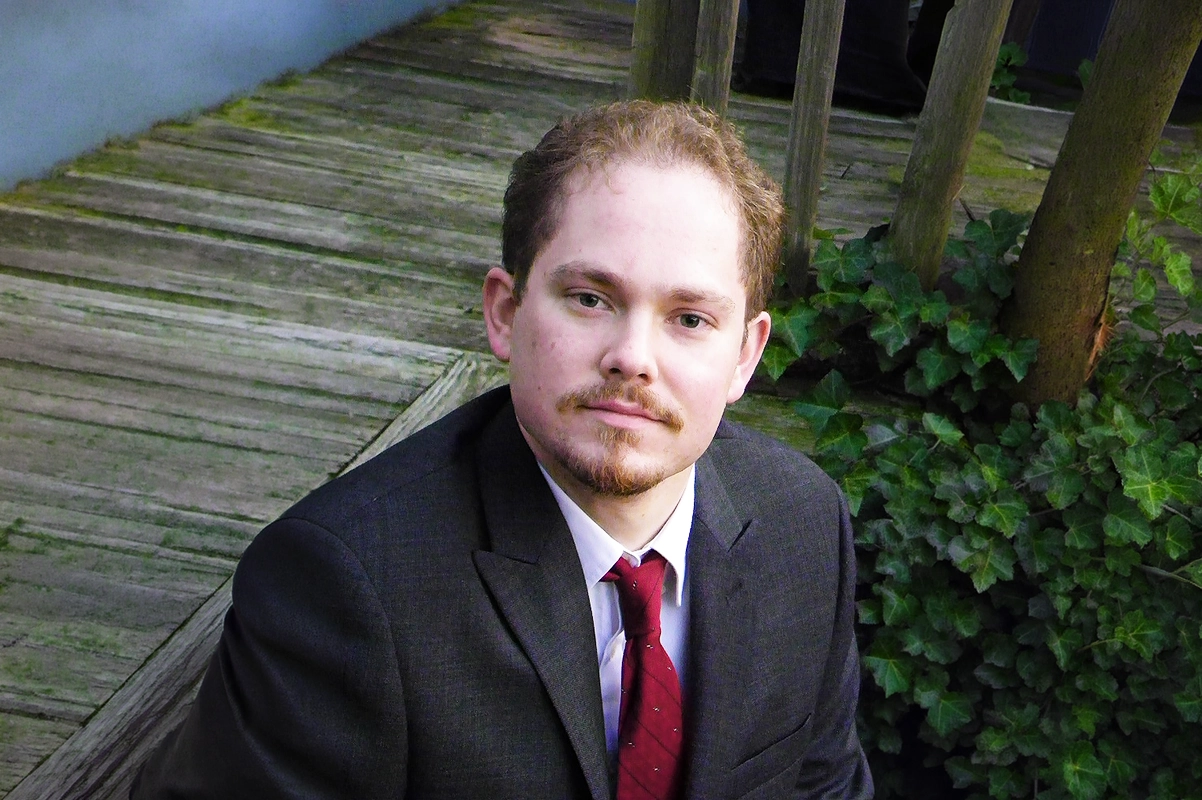
Photo: Eric Nierstedt – Visionary Author Of Urban Fantasy And Mythology-Driven Narratives
A Dive Into Mythology-Driven Narratives
Eric Nierstedt, author of The Pantheon Saga, merges mythology and drama into compelling urban fantasy worlds, masterfully blending creative influences, lore, and pop culture to craft unique stories.
E ric Nierstedt captivates readers with his remarkable skill in crafting fantasy worlds and engaging narratives that blend mythology, drama, and urban fantasy. A Kean University graduate with a deep passion for storytelling, Eric’s work breathes life into the pantheon of gods and epic struggles woven into modern, intricate tales. As the author of The Pantheon Saga and The Lightrider Journals, Eric combines influences from revered mythologies, comics, pop culture, and legendary authors like Stephen King, Neil Gaiman, and Terry Pratchett. With a unique ability to humanise divine beings and explore profound themes, Eric delivers compelling narratives, showcasing his dedication and creative prowess while inspiring readers worldwide.
A visionary storyteller, Eric Nierstedt masterfully weaves mythology and fantasy into captivating narratives full of humanity, depth, and creativity.
What inspired you to create the worlds and characters of The Lightrider Journals and The Pantheon Saga?
I was always a devout reader, and everyone was always telling me to write something, so I finally decided to give it go, and haven’t looked back. For me, Lightrider was a culmination of all the things I had read and watched growing up. I loved stories with immersive worlds, groups of unusual and different characters working together, and a way to look at good and evil that was more complicated then just a black and white portrayal. Pantheon, I think, was refining all that through the lens of mythology. I had written Lightrider, and I knew what worked and what didn’t, and I tried to take those lessons with me as I was writing Pantheon. Specifically though, I think Lightrider draws a lot from Terry Brooks and Stephen King, while Pantheon adds in myth, comics, Neil Gaiman, and Terry Pratchett
How did your love for mythology influence the development of Silent Pantheon and its themes?
I was always fascinated by myths, especially Greek and Norse, because it was always about people trying to explain the world without science and with stories. I really hadn’t considered trying to do something mythic until I read American Gods by Neil Gaiman, and I finally saw a path to reimaging these stories I loved, and exploring new ones.
“Good writers steal, great writers borrow—take inspiration from everywhere and make it uniquely yours.” – Eric Nierstedt
Can you share how your early drafts evolved into the expansive worlds you write about now?
Well, my process is something of a half-outline. I will write a basic summary that has all the plot points, and then things come in as I start fleshing it out. Most times, things in the stories aren’t necessarily there when I start, so its very much like writing a chord progression and then seeing how a solo can be placed there.
What are the key challenges of writing a fantasy series with such intricate lore and mythology?
Lightrider was easier in some ways, because I had been forming it for years, so it was very clear to me. Pantheon though, required a lot of research into Hindu and Navajo lore and stories (and eventually other areas). And then it was really trying to make sure
every myth gets some depth and moments to shine, while trying to blend it all into a coherent story. So the hardest thing is really building your knowledge, being able to write about it competently, and then making sure you keep everything straight.
“New Jersey’s diversity exposed me to varied viewpoints, which helped shape my writing’s authenticity—even with gods and monsters.” – Eric Nierstedt
How do your influences, like Stephen King and Neil Gaiman, shape your storytelling approach?
With King, I really took to his character writing. Not all of his books are perfect, but I always feel that he crafts realistic people that grab your attention and feel like lived-in human beings. Gaiman really opened me up to lore and the ‘poetry’ of the craft of writing, and how well allusion and small things could build in writing. So I always try to make my characters feel real, take care in my world building, and drop in enough to keep my readers hooked. Terry Pratchett is also great for lore and world-building, as well as how to use humor effectively.
What role does music and pop culture play in your creative process or your works?
I have used music to help form characters; for example listening to Social Distortion and Goo Goo Dolls helped me form two specific characters in Lightrider. Pop culture, I would say is more just expanding my creative intake. Books are excellent, but film and TV can also inspire you. Avatar: The Last Airbender was absolutely another way I took in good storytelling, and Pantheon absolutely benefited from it.
How do you balance the superhero struggle of power and responsibility within your epic fantasy narratives?
I think Pantheon explores that struggle a lot. Writing about gods can seem challenging at first because they seem so far removed from us. But Pantheon allowed me to bring them down to earth, figuratively and literally, and that was a very fertile place to write from, What do the powerful do when they aren’t powerful anymore? How can you be a god if no one believes in you? And do you help people for praise, or because it’s the right thing to do? That was an amazing place to write about that power/responsibility struggle.
What draws you to the idea of gods interacting with humans in your books?
I always loved the stories of heroes being touched or mentored by gods, so I wanted to find a new way to do it. American Gods, and to some extent, the Thor films, has shown gods brought low and among mortals. So I knew it was a ripe subject to explore. For Pantheon, it was really getting to see gods as humans- having our problems, our struggles, and our failings, while still being more then us. So I think that humanizing factor is what drew me, and hopefully others, into the story.
Can you tell us about your experience writing for various publications and how it complements your fiction writing?
Well, I primarily wrote for a local newspaper at first. That was good, because I was essentially paid to go to concerts, but it also taught me about deadlines and observing things. My other main writing job was for a website called ComicsVerse, which was also fun, because I was writing reviews of comics on a weekly basis. It really made me dig deeper into why the stories were good or bad, and how the characters worked and interacted with each other. So I think both experiences helped me be more dedicated to my writing, and also see ways to improve it.
What aspects of your upbringing in New Jersey inspire or appear in your work?
New Jersey is the densest US state in terms of population and really diverse, so you get exposed to a lot of different peoples and ideas here. And, without sounding like a Springsteen song, I think we are a very ‘no-b.s.’ people that know when something isn’t authentic or real. So for me, I get a lot of viewpoints to consider in writing, and a desire to make sure what I’m doing is real for me, even when its gods and monsters.
How do you keep your sequels fresh and engaging while maintaining continuity in your series?
The trick is to expand and try new things each time. For Pantheon, the second book in the series expands the world of the characters, and takes them out of New York. The third book does the same, and lets them experience the world of voodoo. Then I wrote a short story collection of the gods in their own times of power, and the last book dips into politics and ideology a bit.
What advice would you give to aspiring authors for developing detailed fantasy worlds?
Take in as much as possible. Movies, TV, books, anything that you like for fantasy, absorb it and find what you can use. Remember, good writers steal, great writers borrow. Take it all in and make into your thing and your world.