






An Interview With Trevor D’Silva On Crafting History Into Gripping Fiction

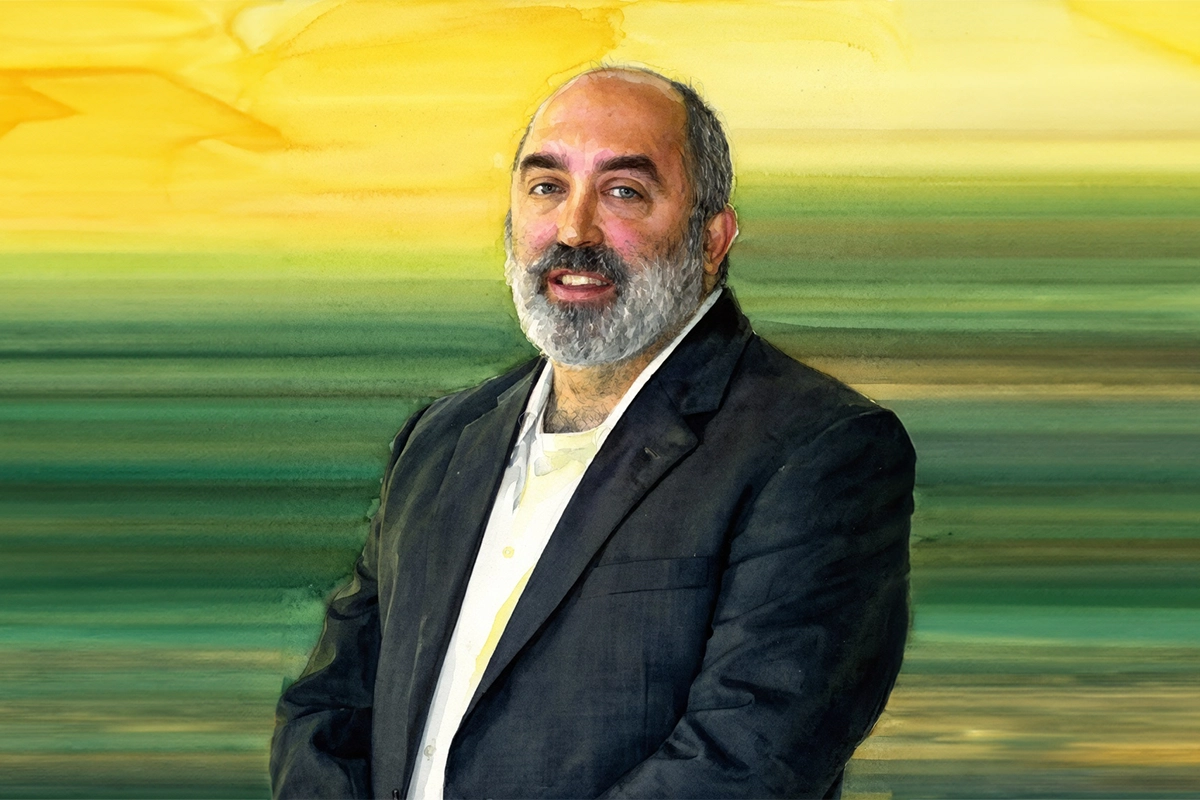
Photo: Trevor D’Silva, award-winning author and storyteller, blending history and mystery with precision and passion.
How An Engeneer Writes An Historical Fiction
Engineer turned author Trevor D’Silva discusses his journey, historical inspiration, writing challenges, research methods, genre shift to mystery, and practical advice for aspiring writers balancing creativity and career.
T revor D’Silva stands as a compelling testament to the power of passion transcending profession. In this special feature for Mosaic Digest magazine, we are proud to present an author whose intellectual rigor and creative vision converge to produce narratives that are as enlightening as they are engrossing. With an academic foundation rooted in engineering and environmental science, D’Silva brings a rare precision and depth to his storytelling—qualities that elevate his work far beyond conventional genre boundaries.
From the sweeping historical canvas of Fateful Decisions to the gripping intrigue of A Bloody Hot Summer, D’Silva has demonstrated an extraordinary ability to immerse readers in richly detailed worlds while maintaining narrative tension and emotional resonance. His meticulous research, combined with a natural flair for character development and dialogue, ensures that each page resonates with authenticity and purpose. His works not only entertain but also educate, inviting readers to explore pivotal moments in history through the lens of compelling fiction.
What distinguishes D’Silva is not merely his versatility across genres, but his unwavering commitment to craft. Whether reconstructing the complexities of global conflict or unraveling the threads of a murder mystery, he writes with clarity, discipline, and an evident respect for his readers. His growing body of work reflects both a deep curiosity about the past and a keen understanding of human nature.
In this interview, Mosaic Digest magazine delves into the mind of an author who has successfully bridged the worlds of science and storytelling. Trevor D’Silva’s journey is as inspiring as the stories he tells—an enduring reminder that creativity knows no boundaries when guided by dedication and imagination.
Trevor D’Silva masterfully blends intellect and imagination, crafting richly researched, emotionally engaging stories that captivate readers across historical and mystery genres.
Interview Highlights
- Began writing at age nine, inspired by classic authors and films
- Took seventeen years to complete debut novel Fateful Decisions
- Combines historical accuracy with engaging storytelling
- Achieved Amazon bestseller status with A Bloody Hot Summer
- Strong emphasis on authentic research and real-world sources
- Balances engineering career with writing discipline
- Advocates “show, don’t tell” and thorough editing
- Explores both historical fiction and murder mystery genres
- Currently working on a 1960s coming-of-age novel
- Encourages aspiring writers to persist and embrace criticism
What inspired you to become an author despite your background in engineering?
I was very young when I started reading comics, and books written by children’s authors like: Franklin W Dixon, Enid Blyton and others. During my teenage years and onwards, I read books by Agatha Christie, Sidney Sheldon, Jack Higgins, Jeffery Archer, Ken Follet and many others. Watching historical movies, especially World War II movies with my late father also inspired me and gave me several ideas. At nine, I started writing short stories, but I always wanted to write novels. Therefore, in college, I began my debut novel — Fateful Decisions.
“I write not just for myself, but for my readers as well.”
– Trevor D’Silva
How did your passion for history influence the writing of your novels?
My two favorite subjects in school were History and English. I enjoyed learning about people, places and various world events, which gave me several ideas. I realized many people dislike history, but love reading novels. Therefore, I thought what better way for them to learn history while reading for fun. I too learn while researching topics for my book. So I write not just for myself, but for my readers as well.
What was the most challenging part of writing your debut novel, Fateful Decisions?
Since this was my first novel, I’d no idea how to write it or had anyone to guide me. It took seventeen years to complete as I was busy obtaining my degrees and teaching. Therefore, time was a constraint and I didn’t write for several years. When I got back to it, there were other challenges like: setting various scenes, perfecting show don’t tell and obtaining accurate historical information. But writing dialogues in some cases was most challenging especially when emotions were involved.
How do you go about researching historical events and settings for your books?
I wouldn’t recommend historical movies because most scenes are embellished to make them interesting with no regard for accuracy. Therefore, I usually read books and authentic testimonials on topics I’m writing about, and watch documentaries. I try interviewing people from that era and contact those who have knowledge about certain events. For settings, I study paintings, videos or photographs from that period to get an idea and then try describing it to conjure a mental image to my readers.
What motivated you to transition from writing historical fiction to a murder mystery?
I grew up reading novels by Agatha Christie, Sherlock Holmes and others, and liked figuring out the killers before the ending. I watched movies based on these novels, especially those set during the interwar era — the heyday of mystery novels. Therefore, I wanted to write a murder mystery set during that period about a young detective named Dermot Carlyle on his first solo case. However, A Bloody Hot Summer is partly historical fiction, because a chapter deals with the Indian Mutiny of 1857. What happens in it, is the reason for the murders in a sleepy English village seventy years later.
Can you share any interesting insights or experiences while writing A Bloody Hot Summer?
I wanted the novel to be authentic to the period and place. Therefore, my British editor helped me write the Scottish and Cockney accents. I also researched slang from the 1920s and incorporated them into the text. To make it easier for the reader to understand, I compiled a glossary. It was also interesting to learn how generational attitudes towards society and morals of people born and raised during the Victorian Era differed from those born and raised in the early 1900s.
What writing habits or routines do you follow when working on a new project?
I try writing daily or whenever I get ideas or time. If I’m busy with another chapter or with life or work, I note new ideas on a separate document or make an outline. Because I use MS Word, I usually type everything first and then add or subtract later as needed. Also, researching is equally important as I don’t want to waste time writing something wrong, only to redo later.
What was the inspiration behind the story and characters in Fateful Decisions?
Glad you asked me this. In addition to wanting to set the story from the sinking of the Lusitania to the end of World War II, I also wanted to leave the reader with a message about not making decisions lightly as they can have good and bad consequences for everyone involved. Books like: The Master of the Game, The Godfather, A Night to Remember, Kane and Abel and Other Side of Midnight and the movie Mrs. Skeffington, inspired me to develop characters and write certain sections of the novel.
How do you find the balance between your career in engineering and your passion for writing?
My job comes first. Writing is a hobby, so I write when I get time. Usually after work I like to record my thoughts that come up during the day, or research and expand when I have time during the weekends.
What advice would you give someone who is trying to blend a career with their artistic pursuits?
It’s all about time. Pursuing artistic talents is like a full-time job and a lot of time has to be invested. Therefore, your career is paramount because it gives you a steady income. Once you achieve success, then make it a full-time job. You don’t want to be a starving artist/writer but let time and success phase you into it.
What types of readers do you hope to connect with through your books?
I’ve discovered murder mysteries are popular with teenagers and adults. Historical fiction is unpredictable as only certain readers like it if they’re interested in history or lived during that period. I find incorporating sub-genres into historical fiction connects more readers interested in them.
What else have you written in addition to these two books?
I’ve written some short stories featuring my detectives Dermot Carlyle and Lawrence Crosbie and two movie scripts based on two short stories. I’m completing my third novel — another historical fiction, set in the 1960s. It’s a coming of age story and an American family’s journey through that turbulent decade.
What advice would you offer to aspiring authors who want to make their work successful?
It’s important to have an interesting synopsis and attractive book cover. Hook your reader in the first page. Research only reliable sources and interview people who have experienced those events or eras, or are experts in them. Avoid mistakes as some readers blow it out of proportion in the reviews. Be open to constructive criticism and ask seasoned writers how to improve your writing. Don’t take destructive criticism to heart; I guarantee there’ll be some, but read them to improve and consider if applicable. Develop the art of show don’t tell. Build your vocabulary and incorporate, idioms, similes and metaphors into your writing. Dialogues should flow smoothly and not seem stilted for the reader. Don’t rush to finish your book, but read and edit multiple times as you get more information. Also, streamline your text. Get a good editor to polish the book. Finally, get a good agent who can help promote the book and open many avenues.
Editor’s Note
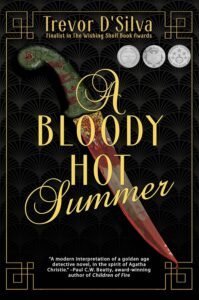
A Bloody Hot Summer by Trevor D’Silva is a brilliantly crafted, atmospheric mystery blending history, suspense, and unforgettable characters into a truly compelling and satisfying read.
A Bloody Hot Summer by Trevor D’Silva is a gripping, atmospheric mystery that revives the elegance of classic detective fiction while delivering modern intensity. Set against a sweltering 1927 England, the novel masterfully blends a chilling murder with layered historical intrigue spanning the British Empire. Detective Dermot Carlyle is a compelling protagonist, navigating secrets, lies, and colonial shadows with sharp intuition. The pacing is taut, the setting vividly rendered, and the twists satisfying. Fans of Agatha Christie will appreciate this intelligent, immersive, and suspenseful homage to the golden age of crime writing.