





Dan Watt Explores The Boundaries Of Imagination And Humanity Through Storytelling

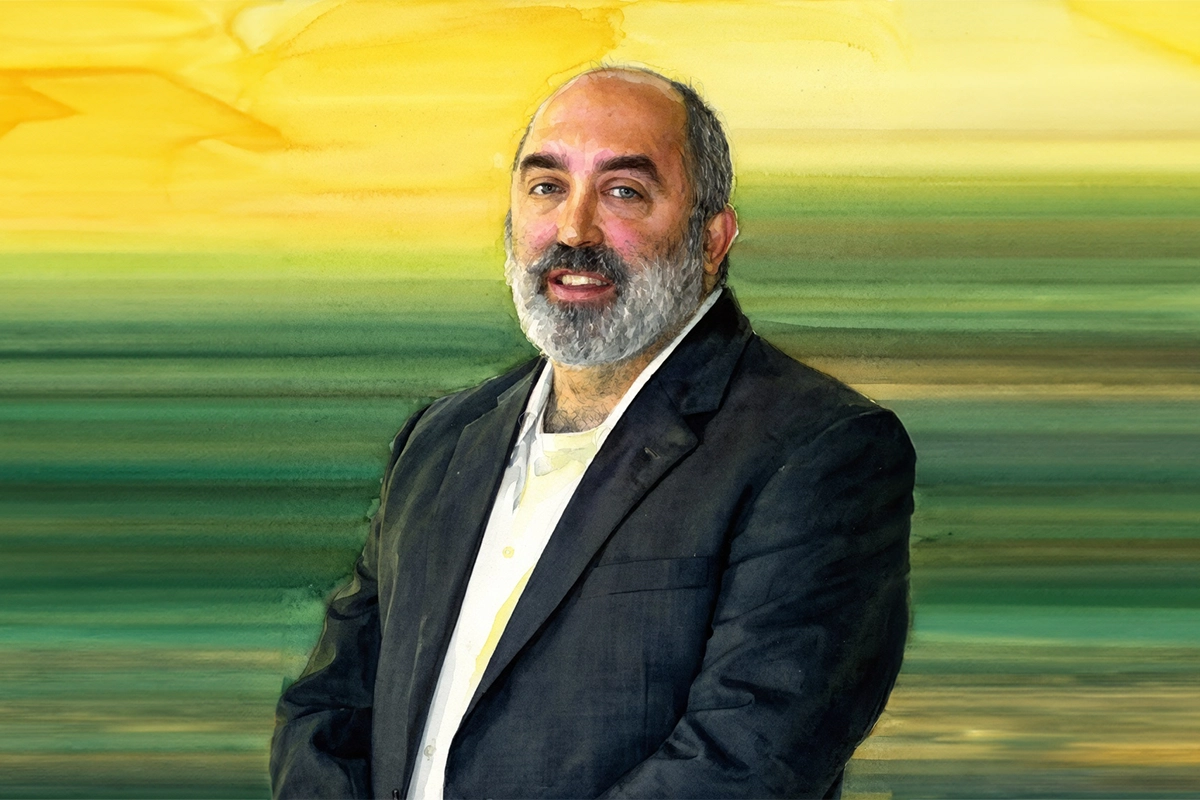
PHOTO: Author Dan Watt, whose imaginative storytelling bridges myth, technology, and humanity. Photo by Dianne McBride
Blending Fantasy, Science Fiction, And Emotion, Dan Watt Crafts Stories That Reflect The Heart Of Human Experience.
Dan Watt, an author and storyteller, weaves fantasy, science fiction, and human depth into narratives that explore imagination, morality, and the balance between technology and human nature.
D an Watt brings imagination to life through epic storytelling that bridges fantasy, science fiction, and human emotion. A creative force with a background in anthropology and history, Watt transforms complex ideas into vivid worlds that challenge, entertain, and inspire readers. His novels — from BARD: Bearer of the Gemstone to Whispers and Lucy and the Snivel Chair — capture both the magic of myth and the pulse of modern technology.
Through his insightful narratives, Watt reveals how imagination can mirror reality, exploring timeless questions about humanity, progress, and purpose. His dedication to crafting relatable, emotionally charged stories marks him as a distinctive voice in contemporary speculative fiction.
A master of world-building and emotional depth, Dan Watt captivates readers with stories that challenge perception and celebrate the limitless power of imagination.
At Mosaic Digest, we celebrate Dan Watt’s exceptional talent for blending intellect with heart. His writing reminds us that the best stories not only transport us to other worlds but also bring us closer to understanding our own.
What inspired you to delve into the realms of science fiction and fantasy? (Archie Preston)
George Lucas’s Star Wars movies and Gene Roddenberry’s Star Trek series bedazzled my imagination as did J.R.R. Tolkien’s “Hobbit” cartoon. Our mother was always bringing us books to read such as Frank Herbert’s “Dune” series and C.S. Lewis’s “The Chronicles of Narnia”. These movies, TV series, and books have had a definite influence on my desire to formulate stories from my own vivid imagination. (Dan Watt)
Can you share the creative process behind your series, such as BARD: Owner of the Gemstone?
I wrote the first draft of BARD during the summer before Grade 10. Although it has gone through numerous rewrites since then the core has always remained the same. Bran, the Owner of the Gemstone, the gemstone, and the immortal emperor have always been present. Originally, the story was written in cursive. I would wait for a song on the radio that fit the mood of the book to come on while sipping ice tea. Over time I expanded the campus and introduced more characters. Because I was a poet first, and bards sing and play lutes, the stories are full of songs. If you’ve read Mary Stewart’s “The Crystal Cave” series about Merlin, you’ll find she makes the characters and events believable while teaching you the nature of magic. I like stories that teach you something. I tried not to overburden the reader with details but BARD also goes into the making of lutes and blacksmithing. A few years ago, I asked a friend to read BARD and she suggested the book is actually two books. The original book is now BARD: Bearer of the Gemstone and BARD: Owner of the Gemstone.
Your narratives often explore themes of technology and humanity. What message do you hope readers take away?
“WHISPERS”, from the intended Future Wake series, allowed me to explore the many advantages and concerns about technology and its possible effects on humanity. Has NASA discovered habitable planets; will clones act like their originals, can AI’s download themselves into human brains; can human genetics be combined with other species to create transspecies; and what modern technology will be needed to explore other worlds? However, all the technology will never alter the need for emotions. A textbook can be emotionless but not a genre story. Like professional wrestling, writing must make people feel something whether anger, hate, love, or excitement.
“Technology should enhance our humanity, not replace it.” – Dan Watt
How do you balance the fantastical elements of your stories with relatable human experiences?
The concept that science influences science fiction which in turn influences science is a very real idea. Star Trek is a perfect example. Star Trek would contact NASA to see if their new inventions already existed and NASA obviously used Star Trek technology to develop scanners. As a reader I absorb information, and as a writer I let my imagination roam. Lucy and the Snivel Chair is a perfect example of this. I had a dream of a chair that would change someone’s body and at the same time an idea for an interesting character loosely based on Wallace Shawn’s portrayal of Vizzini in Rob Reiner’s “The Princess Bride” and Rowan Atkinson’s “Mr. Bean”. I also wanted to try my hand at writing a sci-fi detective story. The story introduces a lot of current and real science to the reader along with a tinge of necessary ‘leap of belief’. The goal with “Whispers” and “Lucy and the Snivel Chair” is to make the stories believable and relatable through the emotional interaction between characters.
Which authors or works have significantly influenced your writing style and themes?
Mary Shelley (Frankenstein), H.G. Well (The Invisible Man), John Wyndham (The Chrysalids), Frank Herbert (Dune), Gene Roddenberry (Star Trek), George Lucas (Star Wars), J.R.R. Tolkien (The Hobbit), Mary Stewart (The Crystal Cave), Joe Haldeman (The Forever War), and Michael Crichton (Jurassic Park) are the main influencers.
What challenges do you face when creating complex universes, and how do you overcome them? (Do you mean complex story plots?)
One of the hardest parts of writing is not being able to write out of a chapter. You get stuck and write and write but can’t seem to describe how to move onto the next chapter or scene. I would argue this happened to J.K. Rowlings in the last Harry Potter book “Harry Potter and The Deathly Hallows”. The section where Harry, Ron, and Hermione are living in Perkin’s tent. Ways to solve when you can’t write yourself out of a section is to leave a gap and start on the next chapter or scene. By writing ahead the author can later go back and fill in a shorter description that flows with the rest of the story. As for actually writing complex universes, Darren Joy “Plagueborn” series is a perfect example. He realized world building was a complex and often frustrating task for many fantasy writers, so he wrote “Fantasy World Building and Magic System Builder”.
Can you discuss a pivotal moment in your writing journey that shaped your career?
Finishing the first draft of BARD was a milestone. It told me I can complete a story.
With the rise of digital platforms, how has the publishing landscape affected your approach to writing and distribution?
My writing hasn’t been affected because I write for myself and then see if others are interested. However, distribution is harder because there are so many writers self-publishing that the competition is vast. The pros of digital platforms is a decrease in paper use, and immediate distribution. The cons are saturation of a genre and often suspicious individuals constantly pestering self-published authors about how they can improve the author’s SEO or YouTube ratings.
What role do you believe speculative fiction plays in addressing real-world issues?
This is an interesting question. When J.R.R. Tolkien and C.S. Lewis wrote about elves, dwarves, orcs, hobbits, satyrs and so on, they were using the fae symbolically. However, now dwarves and elves are less symbolic and more real to the reader, much like Arthur Conan Doyle’s Sherlock Holmes became. People want to explore Bram Sroker’s Dracula and Mary Shelley’s Frankenstein monster endlessly. Often defusing the monstrosity of the characters by making them comical or humanizing them. This is a bend in reality, where symbolism becomes similar to phantasmal fact. However, I think modern stories, including mine are similar to William Shakespeare’s plays, fictitious mirrors to real-world issues on social, economic, military, and environmental concerns.
What advice would you offer to emerging authors looking to make their mark in the genre?
Don’t write what you think others might like, write what your muse tells you to. Through social media platforms, conventions, or other means, find where your target audience is and promote your stories to them first.
“The best stories are the ones that stay with you long after the last page.” – Dan Watt