





Deborah O’Toole Shares Her Journey Through Fiction, Mystery, Historical Drama, And The Art Of Writing
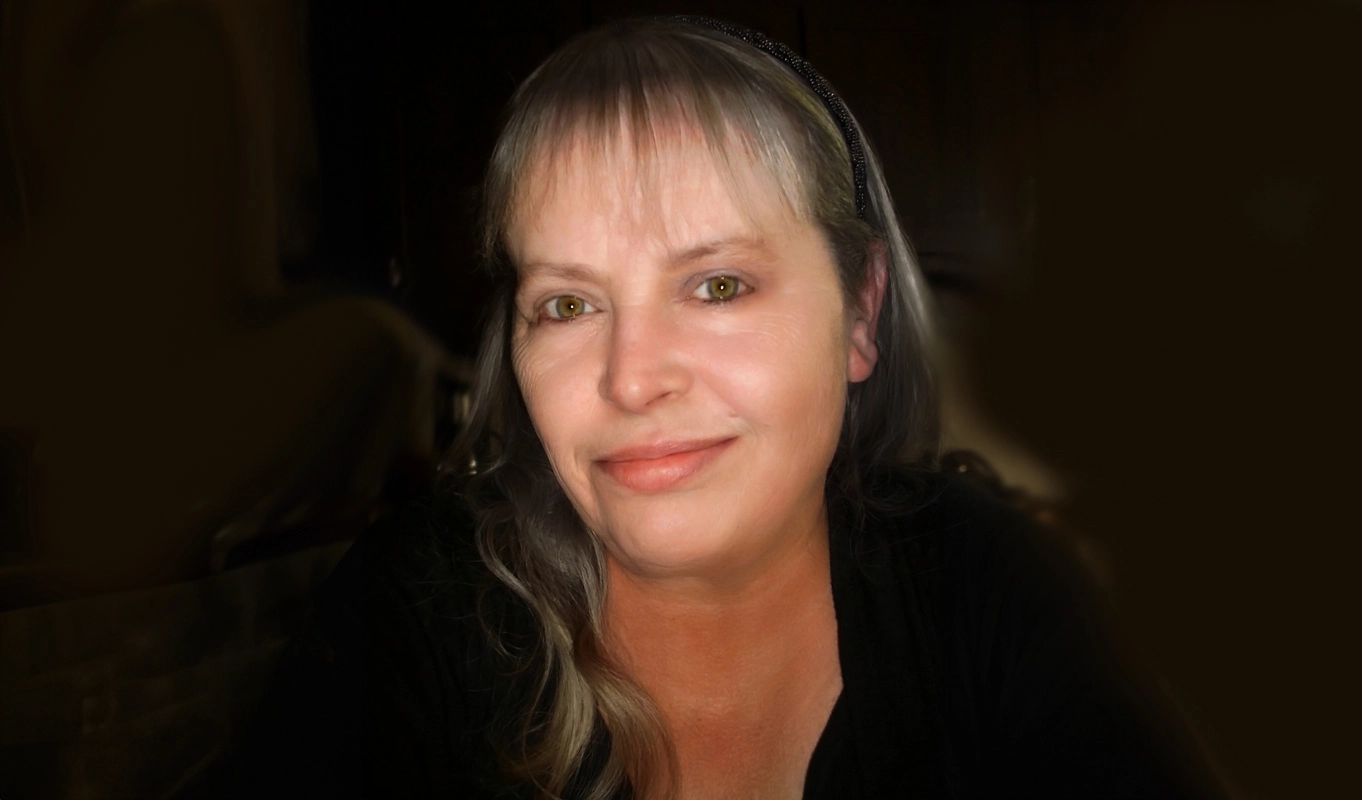
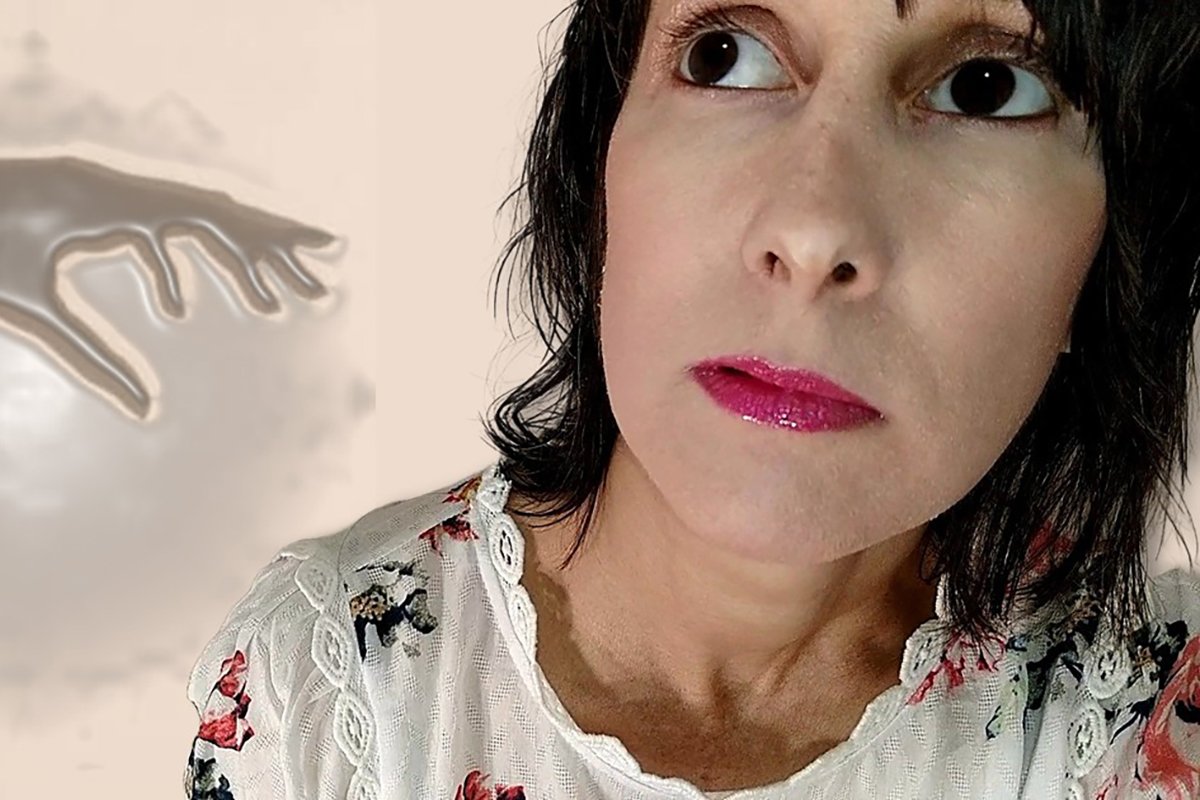
Photo: Deborah O’Toole: The Multigenre Novelist Behind Compelling Stories Of Mystery, History, And Fantasy
From Historical Drama To Gothic Suspense, Meet The Author Behind Captivating Multigenre Masterpieces
Deborah O’Toole discusses her creative inspirations, writing process, character development, and passion for crafting tales across different genres, sharing advice for aspiring authors and insights into her beloved Collective Obsessions Saga.
D
eborah O’Toole is a storyteller in the truest sense, weaving together worlds that span eras, genres, and emotional depths. As the author of spellbinding novels such as Celtic Remnants, The Crypt Artist, and In the Shadow of the King, she has captivated readers with her ability to craft intricate tales of mystery, fantasy, and romance. Her writing as Deidre Dalton in the ten-part Collective Obsessions Saga and The Bloodline Trilogy showcases her unparalleled creativity, as she explores family legacies, paranormal themes, and complex characters, all set against vivid landscapes that transport readers into her imagination.
Not confined to a single genre or style, O’Toole has a gift for diving into diverse literary forms, from historical fiction to juvenile literature, poetry to culinary cookbooks. Her deep understanding of human nature and her dedication to the craft of storytelling shine through in every word she writes. Mosaic Digest magazine is honored to feature an exclusive interview with this revered author, whose work continues to inspire readers and writers alike. In this edition, O’Toole shares her insights into the writing process, the origins of her beloved characters, and her advice for aspiring writers daring to explore multiple genres. Let her story and wisdom ignite your creative spirit!
What inspired you to write across multiple genres, including fiction, mystery, and fantasy fiction?
Fiction is my preferred genre. It probably goes without saying but creating stories in my head is much more to my liking than researching material to write an article or essay about real people, events or periods of time. Constructing an entire story with a cast of characters completely created in your head is an amazing process, sometimes very difficult and frustrating, but when it comes to fruition there is nothing else more satisfying.
However, sometimes the idea for a story will simply take me down a different path. Once I begin writing a book, the storyline will follow one or the other, so I just go with it. The genre can land anywhere at that point, likely to be fully decided at the end. In my experience, almost all cases fall in the genres of fiction, mystery/suspense, historical fiction, fantasy fiction, gothic fiction, juvenile fiction, paranormal fiction, poetry, romantic fiction and culinary (cookbooks).
Can you tell us about your writing process, from conceptualization to publication? How do you balance writing under different pseudonyms, such as Deidre Dalton, with your own name?
I think being an only child lent itself to creating stories of my own. I was always looking for ways to entertain myself as a kid, and my first instinct was to make-up stories and dramatic scenarios. This became more complicated as I grew older, of course. The stories became darker, more detailed and intricate. The urge to write never left me, it just seemed to grow stronger with the passing of time. Nowadays, I can be inspired by seeing a stranger walk by – the more eccentric the better, naturally. Ideas and inspiration can be gleaned from just about anything: people, animals, cities, movies or other books. Memories are also a great trigger. The creative supply is endless.
This will sound trite, but I’ve always felt compelled to write. There isn’t a time in my life that I haven’t been writing one thing or another, from childhood up to the present. Stories, poems, articles, blog posts, there has always been something to do with writing every day. On top of that, I truly love writing. It feels like second nature to me, the thing I always go to above anything else apart from reading.
As far balancing different pen names, I find it fairly simple to distinguish one from the other. It has much to do with the characters in each book, frankly. Once I have them down pat, there is virtually no way for me to confuse them. It’s rooted in the genre, as well as the fact that I keep detailed character spreadsheets for each story.
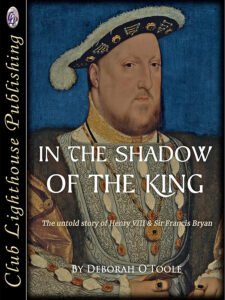
Your novel “In the Shadow of the King” is a semi-fictional account of Sir Francis Bryan’s life, what drew you to this historical figure?
Thanks to my parents, delving into Tudor history came easily to me. I’ve been obsessed with the era since I was nine years old, when they first allowed me to watch the original PBS/Masterpiece Theatre series “The Six Wives of Henry VIII,” which starred the late actor Keith Michell as King Henry VIII. Subsequently, I became a huge fan of “Elizabeth R” (also debuting on PBS decades ago), featuring the late Glenda Jackson as Queen Elizabeth I.
I’m still fascinated by the time period to this day.
The “Collective Obsessions Saga” spans over 165 years, how did you manage to keep track of the complex family history and relationships?
For me, it’s easy. If an author has created a story purely from their imagination, it’s rather simple to keep track of the characters. They become like bona fide family members, so I have no trouble in remembering them or their purpose in the story. Jumping from one novel to another has always been somewhat easy for me because of this. The characters are family, in a way; making them easy to remember where they belong. However, I keep a spreadsheet for each book or series to reference individual character quirks, physical appearances and their relationship to others. I also use family tree software to keep track of family members, specifically, as there are also many friends to the characters sprinkled throughout the storyline.
What role do you think setting plays in your novels, such as the seaside mansion in Maine in the “Collective Obsessions Saga”?
Setting is important because it establishes the backdrop ambience of the storyline. In the case of Collective Obsessions, which leans to the eerie side with fog and rain, it gives an ominous feel to some of the scenes that require it in my mind. As I began to write the Collective Obsessions Saga when I was nineteen years old, there were a few elements that I “borrowed” from existing content. As a child, I was an avid fan of the TV serial Dark Shadows – thus the dreary mansion and inclement weather. I wanted the books in the Collective Obsessions Saga to have a similar ambiance. Some things truly do stick with us for life.
How do you develop your characters, such as Luca Wolfe in “The Crypt Artist”, to make them relatable and engaging to readers?
Several years ago, I was having a discussion with a friend of mine – the native American artist named Tracy Jon Powell – about fiction writing. Our conversation gave me the initial idea for The Crypt Artist. While I did all the writing, he also deserves credit for giving me initial brainwaves in the first place. Luca’s character grew from the onset, with bits about his dreary place of residence and his pet rat named Buzby as he attempted to replicate famous artistic renderings from the past. He was unaware that the art he was trying to copy belonged to the ghosts of the same artists who haunted his apartment building.
Tracy also helped me define different artistic styles associated with painting. During the first edit for The Crypt Artist, I realized I’d forgotten to define Luca’s creative technique. I decided to make it mostly realism, with a touch of painterly and impressionism on occasion. But I wondered – did the style sound realistic or even plausible? In the end, I decided it was perfect for fictional purposes.
What advice would you give to aspiring authors who are looking to write across multiple genres and develop their unique writing style?
Let your imagination take you there. As for developing a writing style, it will take years to hone your craft and establish your style. I’m still learning to this day, and I’ve been writing for many years.
Also, never stop writing. The more you write – whether it’s a story, a blog entry, an article or a letter – the more you hone your skills. Even if it’s a few paragraphs or a few pages each day, just keep writing. Sometimes it reignites inspiration and fosters new ideas. It’s difficult to explain, but it works for me.
EDITOR’S NOTE
Coming soon