





Hollie Smurthwaite Crafts Gripping Paranormal Romances That Redefine Storytelling
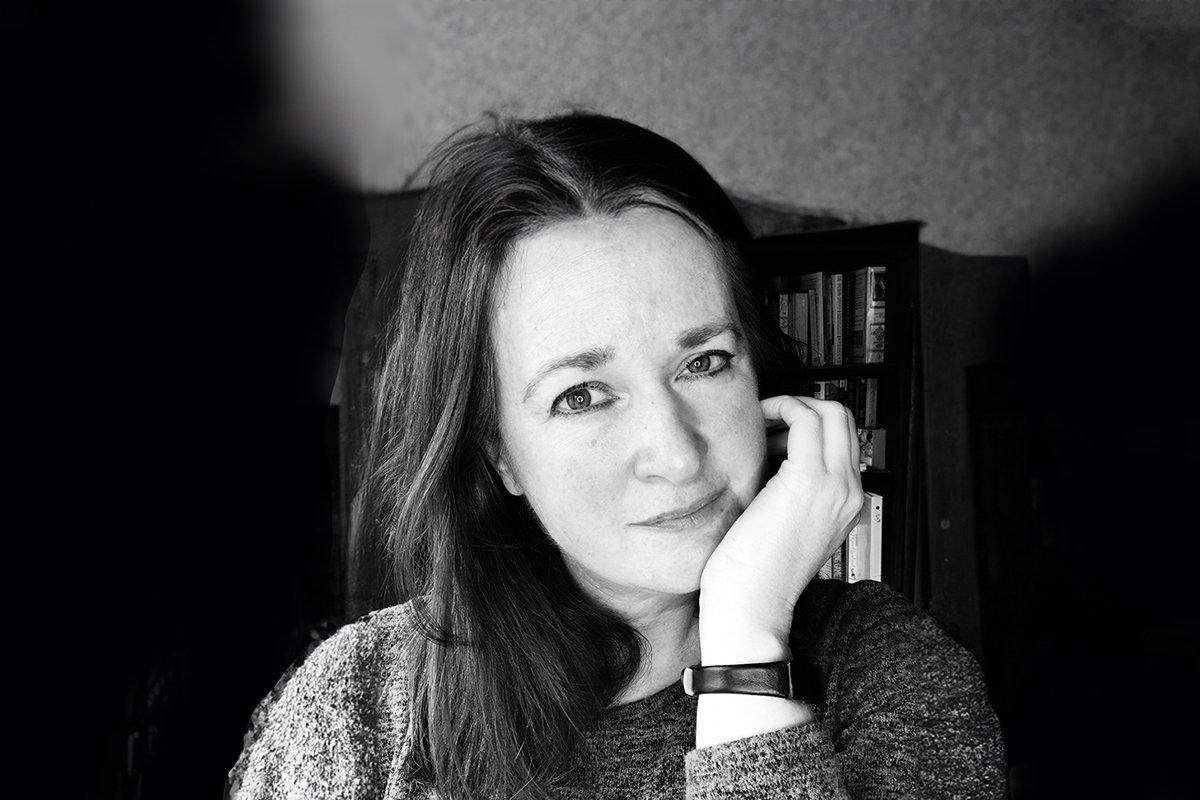
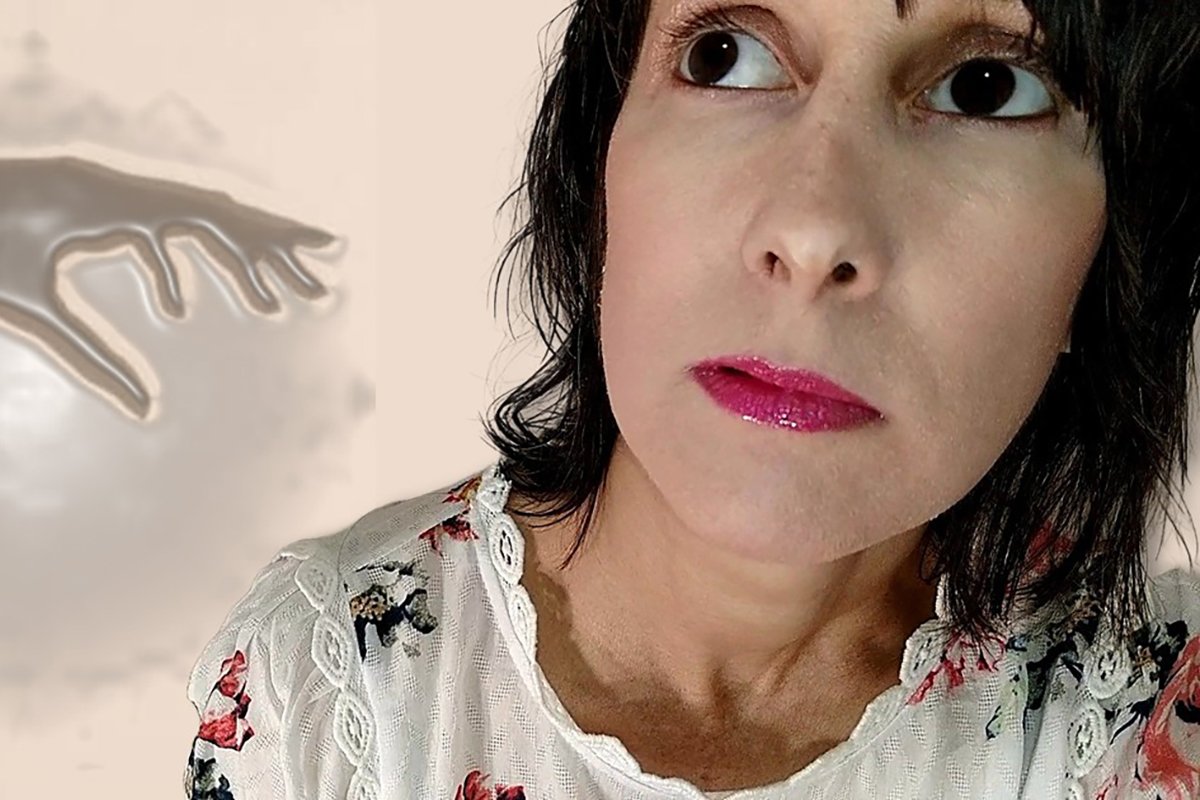
Photo: Hollie Smurthwaite, author of the award-winning The Color of Trauma, blends magic, humor, and emotional depth into gripping paranormal romances.
Writing Paranormal Romance With Style And Substance
Hollie Smurthwaite blends paranormal elements, romance, and suspense with sharp wit and emotional depth, crafting unforgettable characters and offering invaluable advice to aspiring writers through her award-winning books and engaging storytelling.
H ollie Smurthwaite is a writer whose talent knows no bounds. Through her captivating paranormal romances, she masterfully weaves together the extraordinary and the everyday, crafting spellbinding tales filled with magic, suspense, humor, and deeply moving emotional resonance. Her books are an exquisite balance of heart and intrigue, layered with psychological depth, gripping plots, and unforgettable characters. With humor that sparkles even in the darkest moments and a knack for creating worlds where magic feels as real as the emotions coursing through them, Smurthwaite stands as a true luminary in contemporary fiction.
It is no surprise that her brilliant work, The Color of Trauma, earned her the prestigious 2020 Soon to Be Famous Illinois Author Project award. Smurthwaite’s ingenious creation of the Psychic Colors Series, with its inventive concept of “memory magic” and richly layered characters like Kiera and Sara, has redefined the genre of romantic suspense. Her stories explore themes of trauma, resilience, trust, and empowerment, and yet never shy away from infusing humor and hope. From the intense emotional depths of her series to the delightful comedic escapades of It’s Raining Men, her range demonstrates an artistry that resonates with readers on multiple levels.
At Mosaic Digest, we celebrate authors who push the boundaries of storytelling, and Hollie Smurthwaite is a prime example of this. In the interview that follows, Smurthwaite shares her creative process, discusses how her personal experiences and involvement in Chicago’s vibrant literary community shape her work, and gives invaluable advice to aspiring writers. We are honored to shine a spotlight on this remarkable author and her unforgettable contribution to the world of storytelling. Dive into this conversation and discover the magic behind the words of Hollie Smurthwaite.
What inspired you to blend paranormal elements with romantic suspense in The Psychic Colors Series?
One day I started thinking about how hard it can be to “get over” traumatic events—and if a person could forget what happened, could they move past their pain? That sparked the idea of a psychic ability to remove a memory, but there needed to be a cost: the psychic would have to keep the memory themselves. These ideas rolled out in one session, ending with the setup of a victim of a serial killer being in a coma, so only a memory surgeon (that term came later) could help with the investigation. The story really excited the creative part of me, and that’s what launched the first book and the series.
How did you develop the unique concept of “memory magic” and psychic abilities in your novels?
My magic system is very much on the rational side of the spectrum, so it feels almost scientific. I consulted with the magic guru C.R. Rowenson on developing the system after finishing the first book. The magic is based loosely on the different kinds of memory in the human brain—short-term, long-term, episodic, etc. I take the various memory functions and imagine what they would look like if they were amplified and made magical—and how that might serve a particular story.
The Color of Trauma won the 2020 Soon to Be Famous Illinois Author Project. How did that recognition influence your writing journey?
Winning that contest was such a gift, especially for my confidence as a writer. It’s impossible to judge your own talent accurately, and there’s always that little voice that wonders if people say they like your story just to be nice. But The Color of Trauma won both the manuscript contest and the author contest, which made it doubly validating. It boosted my confidence immeasurably. I also got to know a few librarians through the contest, and they’re some of the coolest people on the planet.
Your books balance dark psychological themes with romance. How do you maintain that emotional equilibrium?
That balance is something I address during revision. It’s almost always too much romance and not enough plot at first. Editors and beta readers help me recalibrate.
It’s Raining Men has a lighter, comedic tone compared to your other works. What motivated you to explore that shift in genre and mood?
The idea for It’s Raining Men came to me when I heard the song on the radio and imagined what a fun story it would make—especially if the “raining men” were the result of a witches’ spell. I set the idea aside, but after I finished The Color of Trauma with my critique group (long before it was published), I gave them a list of projects I was considering, and they wanted to read It’s Raining Men.
So, although the book was the fourth I published, it was actually written before the second Psychic Colors book, The Color of Betrayal. In retrospect, I would have jumped straight into the next book in the series—it would’ve been more practical—but I’m glad it turned out the way it did. When I got stuck in The Psychic Colors Series, I had a mostly completed alternate book to edit. Its different tone also refreshed me.
How do your experiences in Chicago and your involvement in writing communities shape your storytelling?
Chicago has a huge writing community, and I’m part of several organizations. It’s wonderful to keep studying craft, share struggles and epiphanies with other writers, and form long-lasting friendships. We’re also lucky to have several writing conferences and in-person instruction opportunities right here.
What is your process for developing complex, layered characters such as Kiera or Sara?
I usually have a visceral sense of my main characters, particularly my female protagonists. With Kiera, I thought of her like a puffer fish—she’s been saddled with so much trauma from such a young age that it doesn’t take much to set her off, and then she’s all spikes and poison. Beneath all that snark and pessimism, though, she’s incredibly vulnerable.
For Sara, I hadn’t initially intended for her to be the heroine of book three, but she was so fun to write, and I had a strong sense of her, too. I don’t always use the Enneagram for character creation, but I did for The Color of Shame. Sara is a solid Seven: an extrovert who’s up for anything and always looking to have a good time. But like Kiera, she comes from an abusive background and has her own wounds—she just handles stress in pretty much the opposite way. When developing characters, I think it’s important to give them both strengths and weaknesses.
What advice would you give to aspiring authors who want to write compelling stories that combine suspense, emotion, and the supernatural?
First, figure out a story you really want to tell. If the concept doesn’t excite you, it’s hard to keep going—writing is tough work. And because it’s so challenging, remember you don’t have to do everything at once. Write the story as it comes to you, then fill in what’s missing later. Sometimes I realize nothing magical has happened in a while, and I’ll go back to add a scene or rework an event. The same goes for romance or action.
I’m a naturally angsty writer, so I usually only need to tweak the emotional moments, but everyone’s different. With It’s Raining Men, I had to go over every chapter and edit for humor. The concept carries a lot of comedy on its own, but it still needed a little extra sparkle.
Lean into your strengths. If you’re great at writing setting, let the setting become a character. If you excel at dialogue, write a dialogue-heavy book. You’ll still need to shore up your weaknesses, but I believe you should spend most of your energy where you naturally shine.
The content of this interview is copyrighted to Mosaic Digest. They may share the interview contents to other media outlets if needed or agreed by Hollie Smurthwaite.