






Jane A Hobden Weaves Gripping Psychological Thrillers That Explore Family, Identity, and Human Complexity
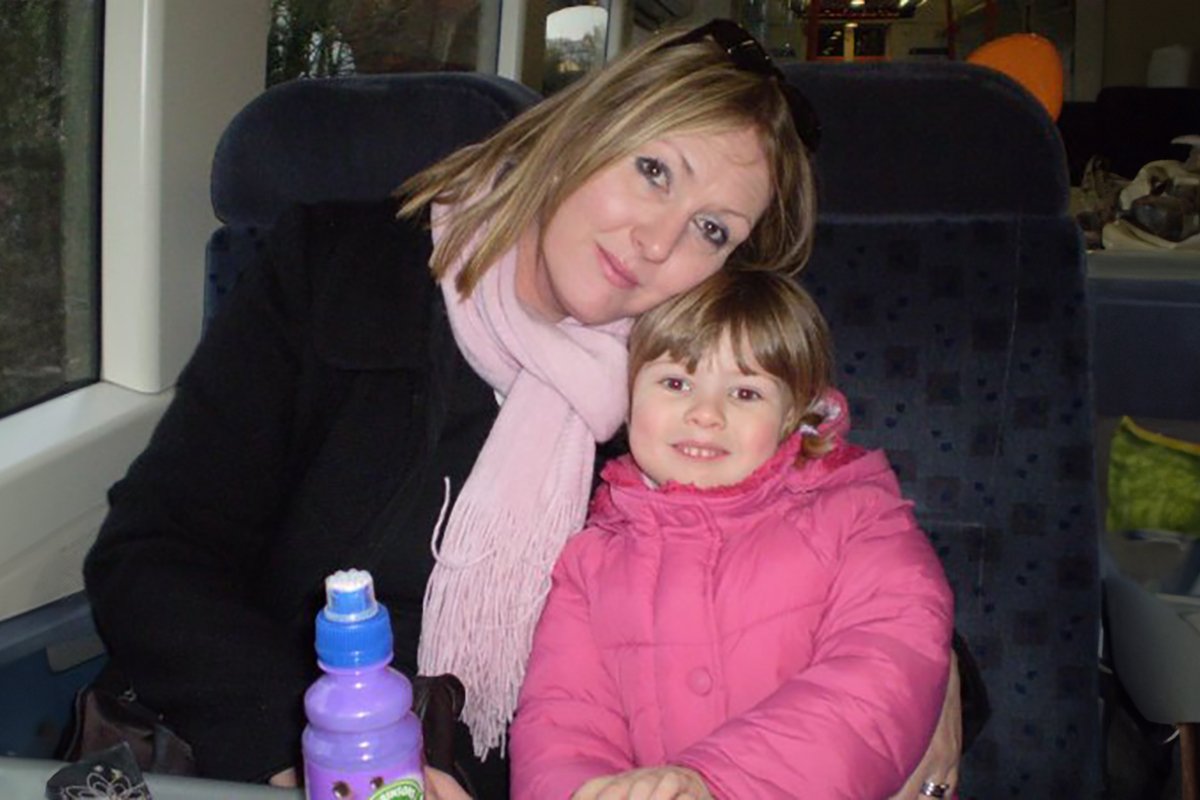
Photo: Jane A Hobden: The brilliant mind behind psychological thrillers that delve deep into the complexities of human emotions and behavior.
Family, Identity, And Trauma In Gripping Narratives
Jane A Hobden discusses her journey from criminal law to bestselling author, her creative process, her love for psychological thrillers, and the inspiration behind her novels filled with twists and humanity.
J ane A Hobden is a name that resonates with authenticity, creativity, and profound storytelling. As a celebrated author of psychological thrillers, she has taken readers on exhilarating journeys through the darkest corners of human emotions and relationships. Her novels, including The Hartford Inheritance, Guilty, and the recently published Beneath Ground, have become synonymous with complex characters, unpredictable plot twists, and themes that linger in the hearts and minds of her readers long after the final page. Here at Mosaic Digest, we are truly privileged to feature an interview with such a remarkable storyteller, whose work continues to captivate and inspire.
What makes Jane’s voice so unique is her rich background in criminal law, which lends her stories an unparalleled depth and realism. From the courtroom to the intricacies of human behavior, her writing reflects an intimate understanding of the human condition, exposing the layers of identity, family, and trauma with striking authenticity. Beyond her writing prowess, Jane’s journey as an author is a testament to resilience and courage—discovering her passion for storytelling after overcoming a life-threatening illness and tirelessly honing her craft ever since.
Whether it’s the chilling suspense of The Hartford Inheritance, the morally complex narrative of Guilty, or the intricate emotional webs of Beneath Ground, Jane’s books offer readers an experience they’re not likely to forget. As she now ventures beyond novels into screenwriting with her much-anticipated project The Book Club, her dedication to the art of storytelling is nothing short of inspiring.
In this interview, Jane opens up about what drives her creative process, the challenges of crafting gripping thrillers, and her advice for aspiring authors. At Mosaic Digest, we are thrilled to celebrate her exceptional talent and share her insights with you. Prepare to be inspired by the mind behind some of the finest tales in the psychological thriller genre.
What inspired you to write your debut novel, The Hartford Inheritance, and what drew you to the psychological thriller genre?
I’ve had so many ideas fluttering around in my head for longer than I can remember. I’d just finished a book which I hadn’t enjoyed (more genre than bad writing) and the following day I woke in the early hours, and started penning the plot for the Hartford Inheritance. I’m inspired by my passion for psychological thrillers, especially novels with twists and turns that you don’t see coming, that’s definitely what I’ve tried to achieve with all 3 novels. I’m such a ‘pantser’ and I never know where the book is headed but the ideas rolled and I finished the book in 6 weeks. The editing however, took a long, long time!!
How does your background in criminal law influence your writing, particularly in terms of character development and plot twists?
As I’m sure you can imagine, I’ve met people from all walks of life facing difficult and emotional situations with complex reasons as to why they’ve committed a criminal offence or a multifaceted defence that they are putting before a jury. People who have unimaginable childhoods or tragedies that have changed their lives but also some who just hate no matter what the consequences. I definitely drew from that experience in terms of behaviour and reactions towards situations out of someone’s control.
Can you tell us more about your experience of writing Guilty, and how it differs from your first novel?
The reality is, the truth about crimes people commit falls somewhere between the Prosecution case and the Defence case. After all, it’s normal to exaggerate or minimise a traumatic event and people who are emotionally invested rarely see it from another’s point of view. I wrote Guilty in the format of a committal bundle with the Defendant, a young woman charged with blinding someone by throwing acid in their face.
The first half of the book tells the story as the unravelling of the Prosecution papers and the second half from the Defendant, Megan Sand’s point of view showing how things are never as they seem.
It’s very different than The Hartford Inheritance, where the protagonist, Kitty Harmer, is on a journey through a past that emulates her future and the passionate jealousy that shadows her and her identical twin sister through the generations.
What do you think is the most challenging part of writing a psychological thriller, and how do you overcome those challenges?
Definitely writing the final chapter – that always takes me the longest period of time because I don’t want to disappoint the reader but I also don’t want it to be a ‘happily ever after’ ending! When I get to the end of my first draft, I write two polar opposite endings and when I get to the end of the final edit, I make the decision as to which one I’m going to publish.
Your novels often explore themes of family, identity, and trauma – what draws you to these topics, and how do you think they resonate with readers?
Everyone faces all three things in the rollercoaster that is life in differing degrees – it’s what makes us human and therefore, the emotions that weave through each are what bonds us. I think fundamentally, family, identity and trauma can very much cross over and all three affect us for a long time thereafter. After all, life is about making decisions and hoping we don’t have any regrets.
How do you balance your writing life with your family life, and do you have any tips for other authors who are trying to juggle multiple responsibilities?
I tend to write when I’m on my own and as the family have grown up, with work commitments and family time, I find I have more time to write. Juggling is definitely a part of it but the thing that drives me is that need to tell a story and therefore, if you’re passion is to write, you’ll make time.
What is your favourite part of the writing process, and what do you find most rewarding about being an author?
My favourite has got to be creating characters. I think of an idea for a plot and then I create the protagonist and antagonist before moving onto the supporting characters – their personalities, their back story, quirks and flaws, how they look and dress, I include so much detail that I can lose whole chunks of time.
Not all of the characters that I pen get included and those I don’t use, I keep for another book.
I love hearing from readers – that’s definitely the most rewarding part of being an author because without them, there would be no point in writing. Whether someone loves it or hates it, for a brief moment in time they’ve been a part of my imagination.
What advice would you give to aspiring authors who are just starting out, and what do you wish you had known when you first began your own writing journey?
I wish I hadn’t been so critical of my writing style and compare myself to other authors.
My only advice to aspiring authors would be do it because you love it, not for any other reason.