




Mona Kamal Illuminates Migration and Identity Through Art
Exploring Displacement And Belonging In A Divided World
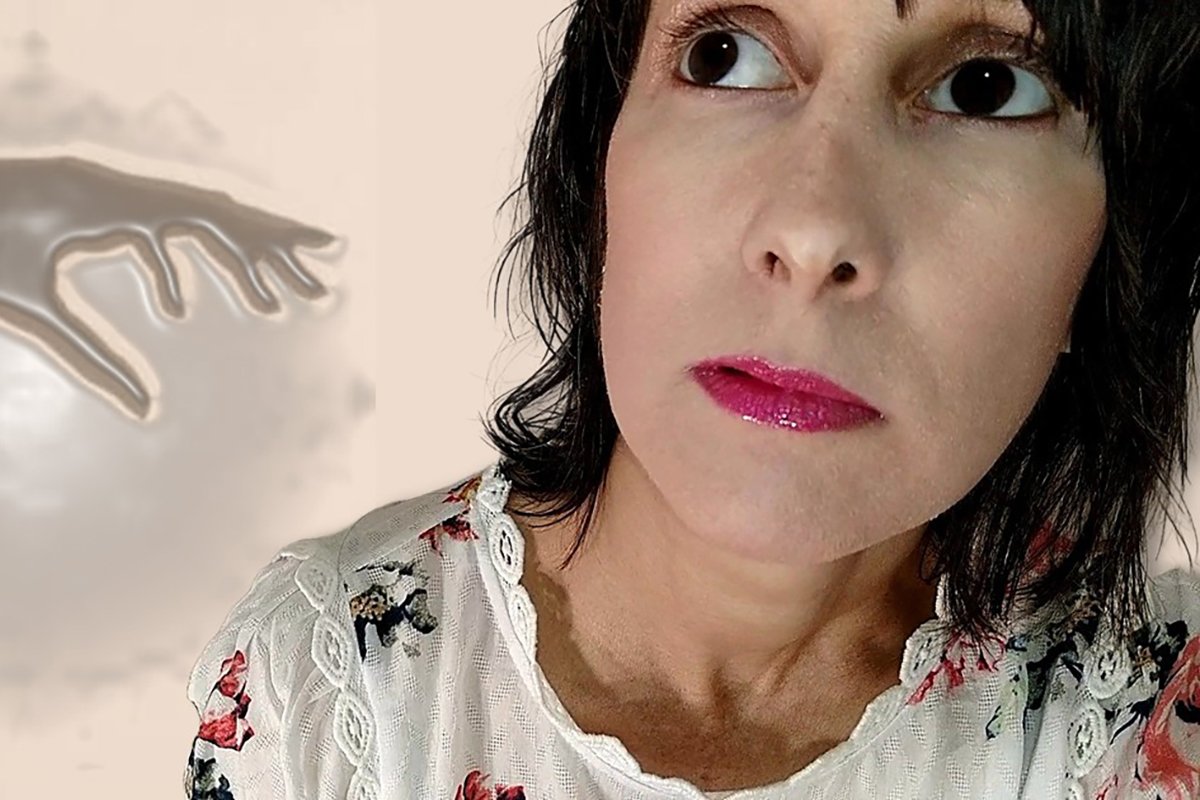
In this interview, Mona Kamal explores themes of migration, identity, religion, and conflict, sharing her deeply personal art practice that connects family stories, history, and global struggles to spark empathy.
Mona Kamal is a bold force in contemporary art, a creator whose work seamlessly melds the personal and political to narrate migration, identity, and the human condition. Over her two-decade career, Mona has crafted a unique space where personal histories resonate within the broader contexts of global struggles. Her powerful multimedia installations and video works challenge audiences to confront the legacies of displacement, grapple with the complexities of belonging, and explore the scars left by geopolitical and cultural divides. Mona’s talent lies not just in her technical skill or innovative use of media, but in her ability to uncover universal truths through deeply personal experiences, creating an artistic voice that echoes far beyond the gallery walls.
Rooted in exploration, dialogue, and a desire for connection, Mona’s work often integrates familial stories, historical artifacts, and traditional motifs to evoke profound emotional response. As a product of her migratory upbringing and cross-cultural experience, her artistic practice navigates the symbolic and literal borders of nationhood and memory. Whether through large-scale installations, paper-plane creations, or immersive video performances, Mona Kamal’s art invites audiences to journey into shared histories and a common humanity that transcends divisions of geography, culture, and religion. Through exhibitions spanning continents—from Canada and India to New York and Pakistan—her work has become a global anthem for urgent topics: the complexities of identity, the sting of systemic inequality, and the often-overlooked consequences of war.
Mona Kamal’s work is as visceral as it is visual—engaging viewers, spurring participation, and fostering dialogue. In this interview, she provides rare insight into the inspirations behind her creations, offering an unfiltered glimpse into her process, themes, and passion for dismantling narratives of marginalization.
Describing her deeply personal yet globally significant video project Border Crossing (2013), Mona speaks to the complexities of migration and identity. This piece documents her journey across the border from Pakistan to India, a site forged during the 1947 Partition of British India—a cataclysmic event that displaced millions. The video juxtaposes the geographic division with striking similarities between the two nations. As Mona recounts, “The people look the same, speak the same language, and it’s clear how futile the partition was.” Yet, her project is more than historical commentary; it’s an exploration of her own place within this fractured past. Through her struggle with language and distinct cultural attire, the video underscores her feeling of being a visitor in lands she is ancestrally tied to but does not inhabit—an epitome of the migrant’s struggle with belonging.
A recurring thread in Mona Kamal’s work is her use of familial stories and historical artifacts, which serve as gateways to forgotten histories. From manuscripts and photographs sourced during her travels to Pakistan and India, these fragments of her family’s life before the Partition reflect the longing for a “missing link” lost to history. However, this search often deepens her sense of disconnect. “So few photos and memories remain of a time when my family was together,” she shares, “and this absence is at the core of my work.”
More recently, her practice has included found objects from her Brooklyn neighborhood as a way to evoke nostalgia and connection to a bygone era. These artifacts infuse her creations with a tactile sense of history—pieces that invite viewers to reflect on the fragile threads that tether personal narratives to collective memory.
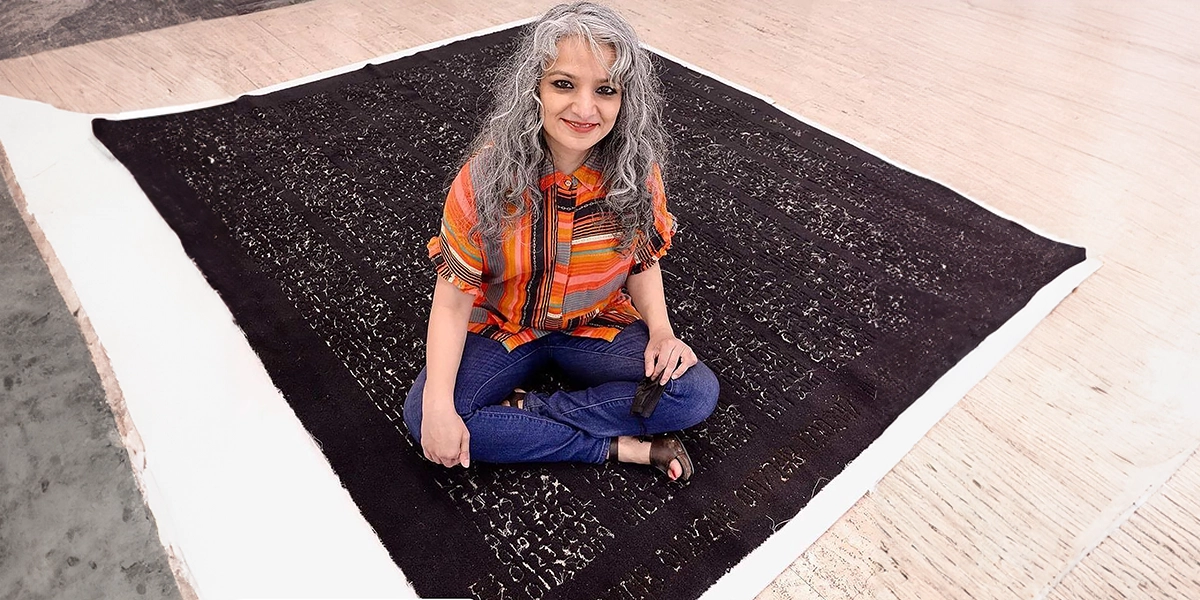
One of Mona Kamal’s most provocative works, Drones in Waziristan, transforms cold statistics into a poignant call for empathy. This installation features a carpet embroidered with the date of every drone attack in Pakistan, symbolizing the physical and emotional wounds inflicted by the so-called “War on Terror.” Exhibition attendees are prompted to walk across the carpet—a deliberate act that echoes the disregard and invisibility often imposed upon those most affected by war.
Currently, Mona is creating 429 paper planes—one for each drone attack in Pakistan. The planes, suspended above audiences, evoke the oppressive fear and trauma war civilians endure. “It’s about creating a heaviness,” she explains. “I want viewers to feel what it might be like to live under the constant presence of drones—to hear, to see, to never know if you’ll be next.” This immersive element is central to Mona’s philosophy: art must engage the senses and challenge perceptions to inspire understanding and awareness.
Religion and its intersection with conflict is another recurring theme in Mona’s work. In her 2014 piece, and The Women, she engraved a chapter of the Quran—“The Women”—onto shapes meant to signify burqa-clad figures. This piece strikes at the heart of the stereotypes and narratives surrounding Islam, aiming to create dialogue about the ways both the East and the West perpetuate oversimplified views of the region and its people.
For Mona, religion is never discussed in isolation but against the backdrop of identity and belonging. Her migratory experiences lend her a lens that is uniquely nuanced—shaped by years of crossing cultures, borders, and ideologies. “I’ve never felt I belonged to one place,” she reflects. “Nationalism, for me, has little to do with borders and everything to do with culture and community.” It is through this lens, one of displacement and solidarity, that her art speaks so powerfully to those on the margins.
Mona Kamal’s work is a vivid testament to the power of art in fostering understanding and dismantling division. Her storytelling builds bridges—connecting audiences to forgotten histories, unspoken pains, and marginalized voices. Whether probing the scars of colonialism, exploring the plight of war’s forgotten victims, or evoking the universal longing for home and belonging, Mona’s art demands to be seen, felt, and understood.
In a world fractured by divides—of nations, religions, and ideologies—Mona Kamal reminds us of our shared humanity and the responsibility we hold to one another. Her creations serve as a call to empathy, an invitation to reflect, and a spark for change—a lasting proof of creativity’s ability to illuminate the shadows and build a more compassionate world.