


Mindfulness, Gratitude, And Horses Transform Lives With Dr Margaretha Montagu
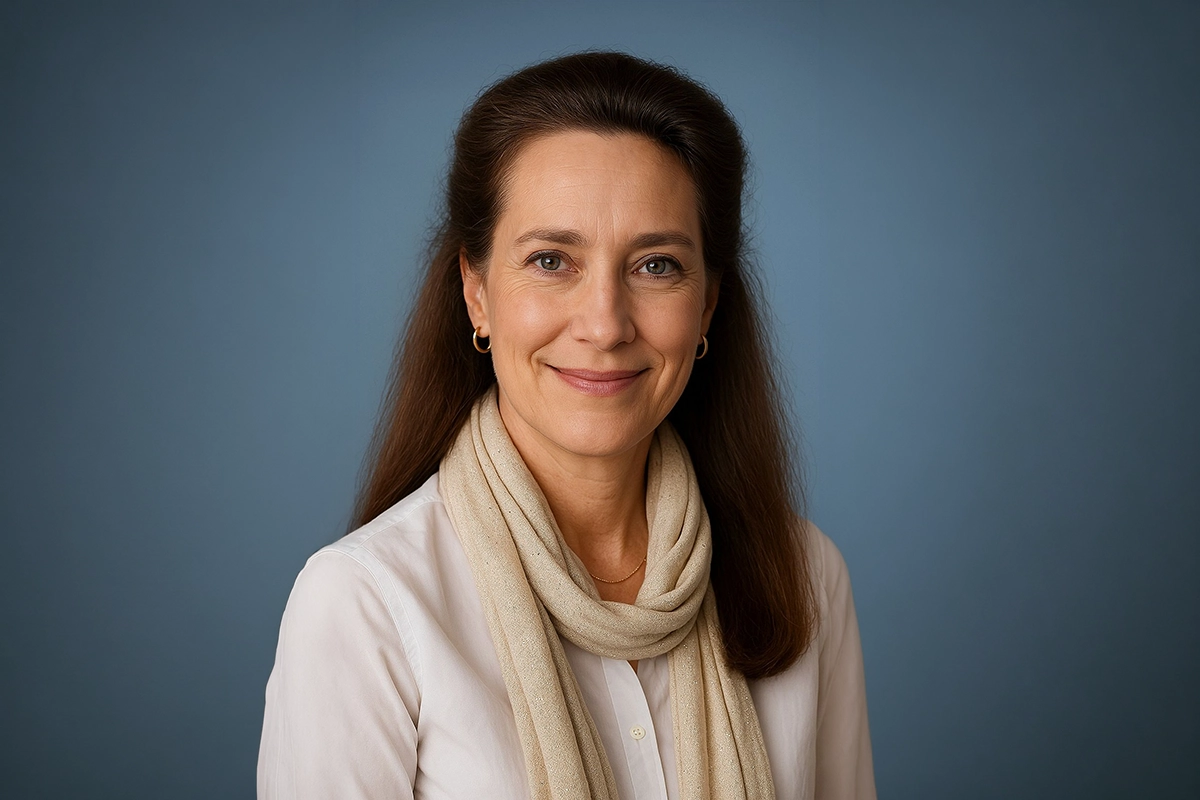
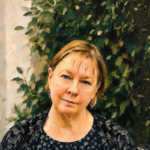
Photo: Renowned author and transformational retreat host Dr Margaretha Montagu, alongside her beloved Friesian horse, creates spaces of healing, mindfulness, and growth in Southern France.
Finding Peace In Life Transitions
Dr Margaretha Montagu, a medical doctor turned transformational retreat host, shares her inspirational journey of resilience, offering mindfulness, gratitude, and equine-assisted healing amidst the stunning landscapes of southern France.
D r Margaretha Montagu exemplifies resilience, ingenuity, and compassion. Her journey from practising medicine to founding life-changing retreats in the south of France is a testament to her unwavering determination and vision. As a medical doctor with over 20 years of stress management expertise, an NLP practitioner, and an equine-assisted psychotherapist, Dr Montagu has channelled her personal challenges into transformative experiences for others. Her retreats, enriched by the presence of her Friesian and Falabella horses, combine mindfulness with the majesty of nature, empowering guests to navigate life transitions with newfound clarity and resilience. A prolific author of eight self-help books, she compassionately shares her wisdom on burnout, mindfulness, resilience, gratitude, mindfulness, and life purpose, ensuring her impact reaches far beyond her retreat guests. Her story inspires us to transform adversity into opportunity and to heal while spreading positivity.
Dr Margaretha Montagu embodies inspiration through her compassion, transformative retreats, innovative equine therapy, and heartfelt books, empowering individuals worldwide to face and embrace change positively and courageously.
What inspired you to transition from being a medical doctor to hosting retreats in the south of France?
I literally had no choice. I developed an aggressive stress-induced eye disease that has resulted in the loss of one eye and seriously damaged the vision in the eye I have left. Working as a physician was no longer an option. I was determined not to let my knowledge and experience go to waste. As my dream had always been to one day retire to a small farm where I could keep horses, in the south of France, I just bought that day forward. Hosting retreats gives me the flexibility I need to slow the progression of my eye disease while sharing the magic of the Camino de Santiago de Compostela with others.
How have your personal experiences with major life transitions influenced your work as an author and retreat host?
My personal experience with a variety of different life transitions, harrowing as it was, and still is, has given authenticity to both my writing and my work as a retreat host. My guests and readers can definitely tell that I know what I am talking about, not only based on my medical training and experience, but also because I’ve been there, I know what they are going through, I have found a way to survive as well as a way to share it with others that will work for them as well.
“Margaretha herself was the best thing about the retreat. Quietly kind, supportive, informative, insightful and fun! She and I, and my fellow guest at Esprit Meraki, formed such a unique and special bond, and I think we will be friends for life!” Julia D. via Tripaneer
Can you describe the role horses play in your retreats and in equine-assisted mindfulness?
My Friesian and Falabella horses have helped me cope with the stress generated by the life changes I have been confronted with, and they do the same for my retreat guests. During my 7-day retreats, they take part, as fully-fledged co-hosts, in the hosting of the retreats, demonstrating the effectiveness of mindfulness and meditation and helping guests implement these powerful stress management strategies. As of 2026, they will also be present during my storytelling circles, making these gatherings even more engaging and life-changing.
What has been the most rewarding aspect of helping others navigate through life’s challenges?
The discovery that I am not only helping the people who attend my retreats, but that, like a pebble falling into a pond, the beneficial effects of attending retreats here spread far beyond each individual guest, to their significant others, their friends, families, colleagues, and community.
“With great enthusiasm, I put the essence of who I am, and everything I have experienced that makes me who I am into my retreats, courses, medically-informed mentoring and books.” – Dr Margaretha Montagu
Why do you believe mindfulness and meditation are crucial tools for dealing with modern stressors?
There are many different methods of dealing with stress, but I firmly believe that mindfulness meditation, specifically, is one of the most effective methods. Another is writing: I started writing myself as a way of making sense of what was happening to me. It has become a way of life: I write 2000-5000-word storytelling blog posts two to three times a week, mostly about coping with major life challenges such as relationship breakups, career changes, relocations, health scares, retirement, and loss.
How did your background in medicine and counselling shape your approach to writing and running retreats?
When I had to give up medicine, I asked myself the question most people ask themselves during huge life disruptions, ‘If I’m no longer a doctor, who am I now?’ It took me a few years to work this one out. I realised I will always be a doctor, even though I’m no longer practising medicine. The knowledge and experience gained while working as a doctor and counsellor are the foundation for everything I have built since, both as a writer and a retreat host.
What has been the most challenging aspect of moving to a new country and starting this new chapter of your life?
Finding a good dentist. Seriously, though? I have relocated more than once in my life. Each time I move countries, continents and cultures, the most challenging aspect is the unavoidable reconstruction: not only reconstructing my life, but also reconstructing myself. This experience inspired the Post-Crisis Reconstruction Protocols, my online courses-with-coaching, helping people step-by-step through life changes. Leaving friends behind, and making new friends, comes in a close second.
Can you share a particularly inspiring success story from someone who attended your retreats?
One of the most dramatic success stories has to be the story of one of my now dearest friends, who came on retreat here when war broke out in her country of origin. She was no longer living there, and now could not go back. She had to learn to cope with severe anxiety while she was here, as she on-and-off lost contact with the family and friends she left behind. With the supportive assistance of the horses, she mastered a set of stress management strategies that she could easily incorporate into her daily life. To this day, she tells me, “Your house is my safe place.”
How do you decide on the themes and content for each of your books?
I wrote nearly every book so far in an effort to help a specific guest who once came here on a retreat. Frustrated because I can only accommodate a small number of guests on retreat each year, my books allow me to reach more people, with similar problems, all over the world. There are two themes, though, that I incorporate into all of my books. Firstly, the usefulness of identifying a purpose for each new chapter in one’s life, and secondly, the life-changing benefit of practising Gratitude and Generosity.
What do you think is the unique appeal of practising mindfulness in the natural surroundings of your retreat?
In a natural environment, mindfulness becomes experiential rather than conceptual—especially when walking sections of the Camino de Santiago de Compostela. Guests feel the impact on their emotional state within minutes. The landscape supports emotional processing in a way that feels safe, in-depth and unforced. It’s an intensely embodied experience: my guests don’t just learn mindfulness, they feel it in their body, mind, and spirit.
What advice do you have for readers who feel overwhelmed but are unsure of how to start their self-care journey?
Take it moment by moment, one step at a time. When you’re overwhelmed, your nervous system isn’t looking for a detailed plan, it is looking for safety and simplicity. Start with something small, like slowing your breath, stepping outside into nature for five minutes, or choosing to set one boundary. Self-care begins with small acts of kindness, towards yourself as well as towards others, repeated consistently.
As a published author with such diverse expertise, what advice would you give to aspiring authors, particularly those who aim to share personal or professional experiences through their writing?
I’ll say this one thing: remember that your credibility doesn’t come from your qualifications. You don’t have to figure everything out before you start writing. Your credibility comes from the courage to share what you’ve learned, honestly and humbly, as you’re learning. Because we are always learning, and we’ll never have everything figured out. You only need to be one or two steps ahead to be able to help others.