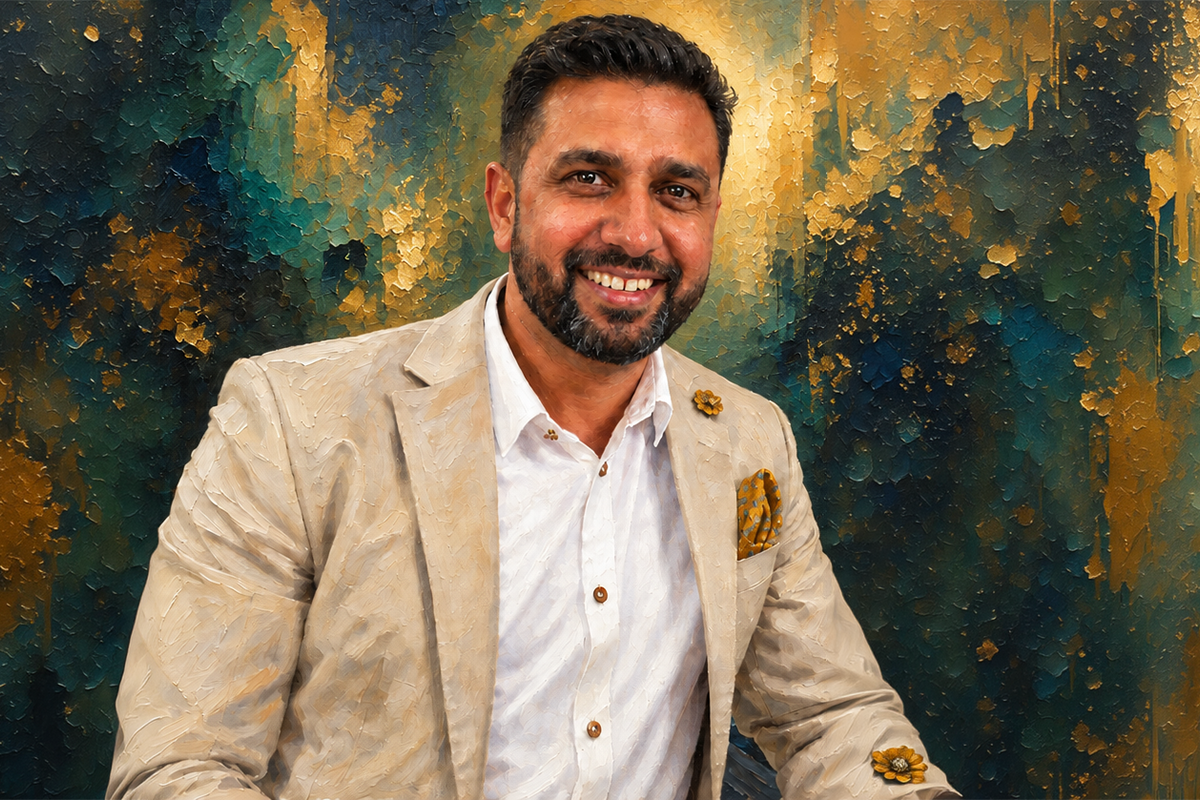













Mastering Streetwear Design With Craig D. Washington’s Visionary Approach
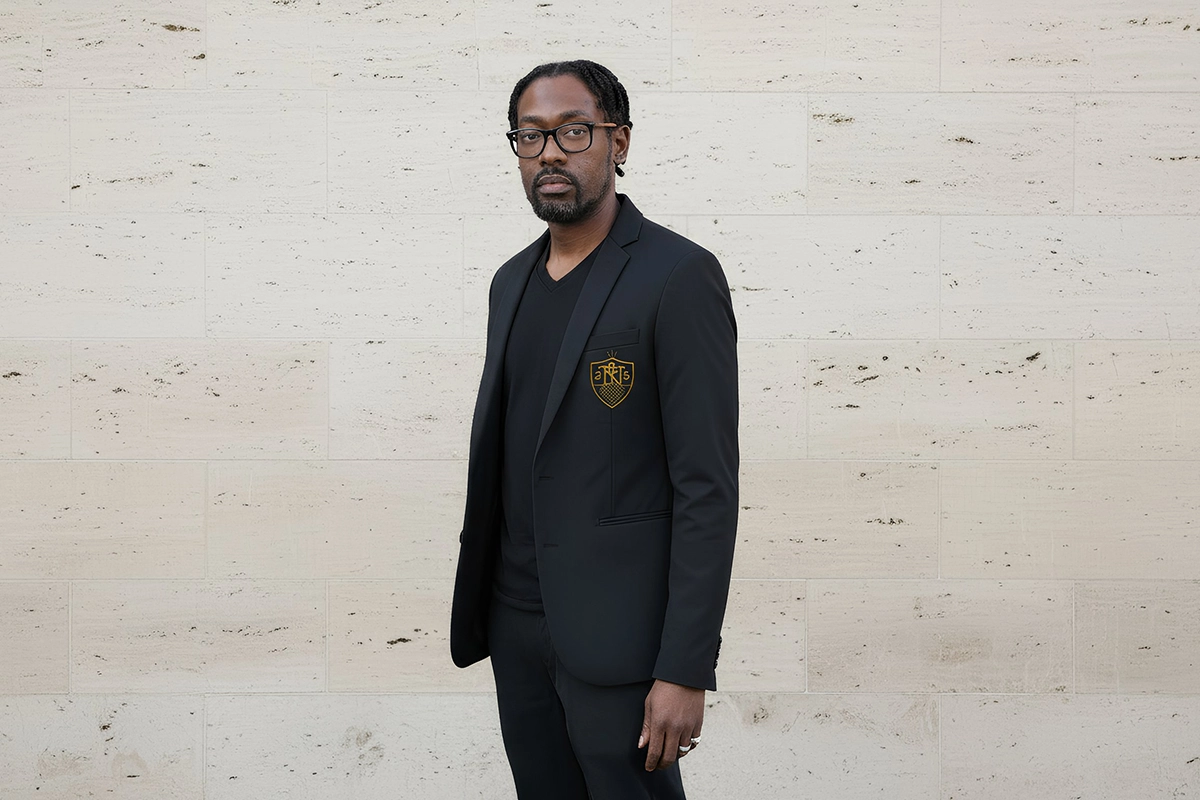
Photo: Craig D. Washington – Detroit-born innovator transforming streetwear into enduring symbols of cultural identity and infrastructure.
From Detroit To Legacy Building: The Philosophy Of Craig D. Washington
Craig D. Washington discusses evolving streetwear into cultural infrastructure, merging systems design, narrative, and fashion. Detroit’s resilience inspires his approach, crafting timeless identities through discipline, restraint, and precision.
C raig D. Washington stands as a visionary force in the realm of cultural architecture and fashion. Detroit-born and deeply influenced by its grit and ingenuity, Washington merges streetwear, narrative, and systems design to craft enduring identities rather than fleeting trends. As the author of Streetwear: The Ultimate Guide to Starting Your Own Brand and Mastering Streetwear Expansion, he exemplifies intellectual artistry, proving that streetwear is far more than fabric—it’s cultural infrastructure. In this exclusive interview with Mosaic Digest, Washington discusses his innovative philosophy and the meticulous processes behind his work with Top Notch NME, offering invaluable insights for aspiring creatives and entrepreneurs.
This conversation showcases how Craig D. Washington shapes a legacy defined by coherence, longevity, and cultural impact, positioning him as a thought leader whose work continues to inspire globally.
Craig D. Washington redefines streetwear, blending artistry and systems-thinking to create meaningful, timeless cultural infrastructure that inspires globally.
What inspired you to become a Cultural Architect and merge fashion with narrative and systems?
I never saw fashion as the final product. From the beginning, clothing was only the surface. What mattered more to me was the identity, behavior, and belief structure underneath it. Becoming a Cultural Architect was a natural extension of that perspective. I build systems people can live inside through garments, stories, symbols, and rituals that reinforce who they are becoming. Fashion simply happens to be one of the most immediate ways culture expresses itself.
How did your upbringing in Detroit shape your vision for Top Notch NME?
Detroit taught me how to build without permission. It is a city where creativity is not ornamental; it is survival. Growing up around manufacturing, music, grit, and innovation showed me that culture is engineered from the ground up. Top Notch NME carries that DNA through resilience, precision, and pride. Detroit did not just influence the brand’s aesthetic; it shaped its ethics.
“Craig D. Washington is redefining what modern authorship looks like operating at the intersection of fashion, culture, and systems thinking, and proving that streetwear can function as intellectual and cultural infrastructure rather than trend-based design.”
– Cultural Commentary
What does being a “Cultural Operating System” mean to you, and how does it distinguish Top Notch NME from traditional fashion labels?
A Cultural Operating System is not seasonal, trend-driven, or dependent on attention cycles. It is infrastructure. Top Notch NME is not built around products alone; it is built around principles, symbols, and long-term coherence. Clothing becomes one access point, not the whole story. That is the distinction. We author systems, not drops.
Your designs are described as enduring rather than trendy how do you approach creating timeless pieces?
I design for memory, not momentum. Timelessness comes from restraint, proportion, material honesty, and meaning. If a piece still feels intentional ten years from now without needing explanation, then it has succeeded. Trends expire. Structure does not.
“I don’t release products. I author systems and let people decide how deeply they want to live inside them.”
– Craig D. Washington
What was the most challenging aspect of writing Streetwear: The Ultimate Guide to Starting Your Own Brand?
The hardest part was stripping away the mythology. Streetwear is often romanticized, but building a real brand requires discipline, systems, and unglamorous decisions. Writing that book meant being honest about cost, failure, patience, and process without diminishing the reader’s ambition.
Can you share your process for developing a strong brand identity for a streetwear label?
A: Identity comes before design. I begin with values, language, and behavior. What a brand will never do matters just as much as what it will do. Visuals come later. A strong brand does not ask for attention; it earns recognition through consistency.
What are some common mistakes aspiring entrepreneurs should avoid when starting a streetwear brand?
Chasing validation too early. Overproducing without demand. Copying aesthetics instead of building meaning. And mistaking visibility for progress. A brand should mature quietly before it speaks loudly.
How do you balance your roles as an author, fashion designer, and Cultural Architect?
A: They are not separate roles. They are expressions of the same discipline. Writing sharpens clarity. Design tests structure. Architecture enforces coherence. Balance comes from alignment, not time management.
What writing tips would you give to aspiring authors who want to write about niche topics like streetwear or cultural identity?
A: Write from authority, not opinion. Document what you have lived, built, and tested. Niche topics resonate most when they are precise and uncompromised.
What one piece of advice would you give to aspiring authors who want to publish their first book?
Finish the work before worrying about the audience. A completed book has gravity. An unfinished idea does not.
What do you think is the most valuable lesson other authors can learn from your journey?
Consistency compounds. Legacy is built through repetition, restraint, and a refusal to dilute your voice.
How can authors collaborate and push boundaries in their respective fields as you have across fashion, narrative, and systems?
By collaborating at the level of ideas, not aesthetics. The strongest collaborations happen when disciplines intersect around meaning, not marketing.