




Barb Jones Delivers Supernatural Horror And Historical Thrills
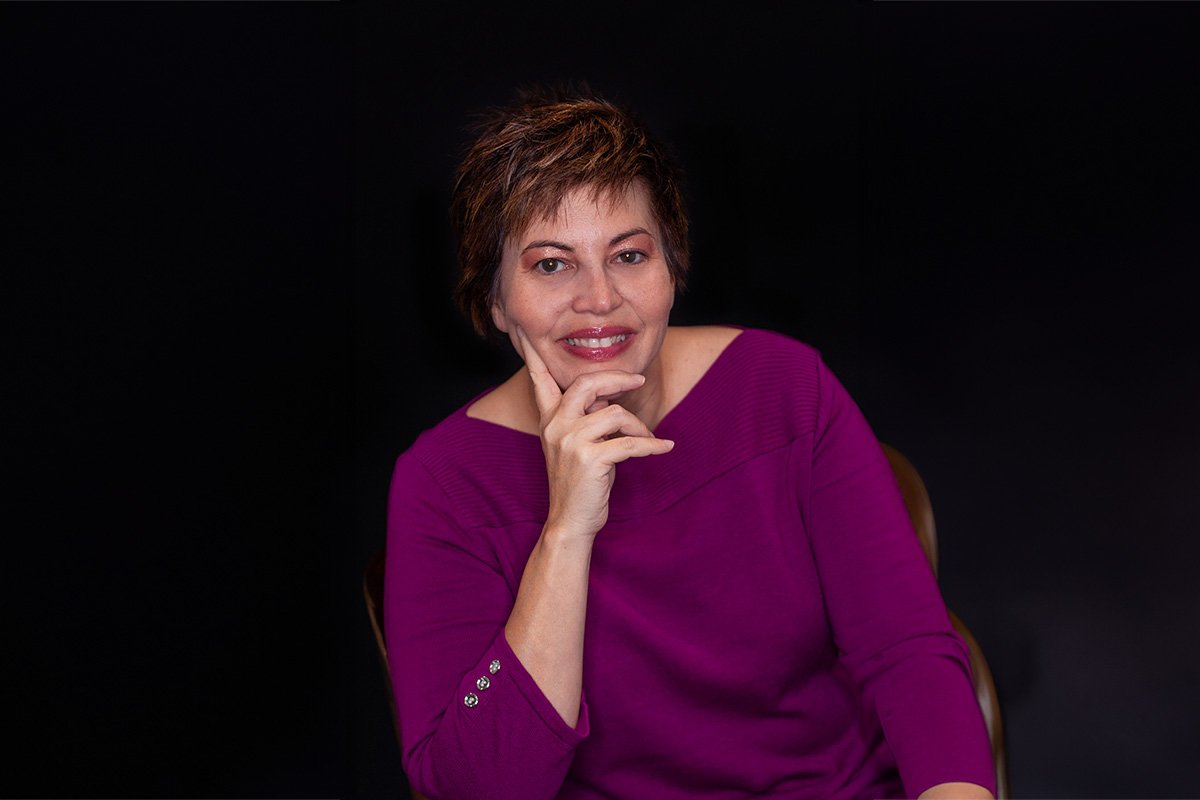
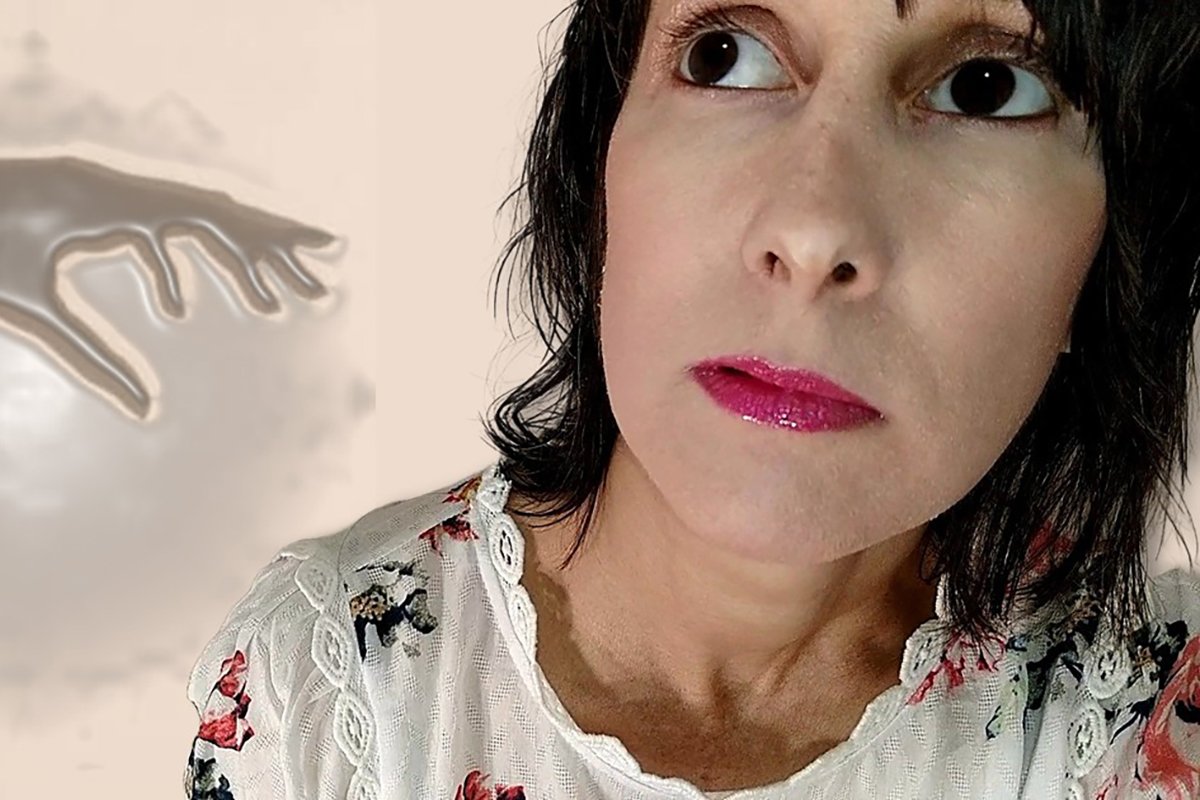
PHOTO: Barb Jones Inspires Readers With Her Unique Blend Of Supernatural Horror And Historical Storytelling
Exploring Hawaiian Legends, Richly Developed Characters, And Immersive Worlds Through The Blood Prophecy Series
Barb Jones fuses history, supernatural elements, and horror to create compelling narratives, drawing on Hawaiian legends and personal experiences for an immersive and unforgettable reading experience.
Barb Jones brings her Hawaiian heritage, love of history, and fascination with the supernatural to life in her Blood Prophecy series. Her novels combine horror, historical depth, and richly developed characters, creating a reading experience that is both thrilling and immersive. From dream-born ideas to intricate world-building, Jones crafts stories that linger long after the final page.
Jones’ novels are masterfully crafted, thrilling, and immersive, captivating readers with rich characters and expertly balanced supernatural and historical storytelling.
Mosaic Digest is proud to feature this in-depth conversation with Barb Jones, exploring her creative process, inspirations, and the passion that fuels her storytelling. Her work not only entertains but showcases a masterful balance of imagination and authenticity, inspiring both readers and emerging authors alike.
Your Blood Prophecy series blends supernatural, horror and historical elements. How did you first arrive at the decision to fuse those genres, and how do you maintain balance between them in the narrative?
As a child, these elements were always my favorite. I love history and growing up in Hawaii, allowed me to feel close to legends and the supernatural. As a child, we lived in a haunted townhouse. My parents always invited the priests to bless it, to no avail, but when my father used a Hawaiian priest, the truth came to light about the house we were living in. I loved hearing how our area was a haunted one, which combined these elements. In my writing, I maintain this balance because everything has a history, and well, I believe in the supernatural because of my upbringing.
Your Hawaiian heritage and legends are mentioned as inspirations. Can you describe a particular myth or family story that made its way directly into your work?
There are many that make it into my work, especially in Rise of the Hunter. I have always loved the legend of Madame Pele, the goddess of Fire and Volcanoes. As she was exiled because she did not get along with her sister, the sea goddess. She eventually settled on the Big Island of Hawaii, where her presence was welcomed and revered by the people.
“Using this growth, her power through lava creates and changes the land, allowing signs of fresh growth.” – Barb Jones
You write by night while working in IT by day. How does your day job influence your writing process, either practically or creatively?
To me, I always find it funny that my career is in IT, where logical thinking plays an important role in what I do compared to my creative side. Honestly, I would have to say that, the way my brain works, this is the perfect balance for me. I am a very logical person, but then there’s the creative in me that has to get out, so writing is the best outlet for that. I almost need both sides to feel whole so I rely on both sides to make me feel complete.
The Blood Prophecy series has novellas and side stories (e.g. “Marcus: Origins”, “Chloe”). How do you decide which characters or events deserve a side story, and how do you ensure those dovetail with the main arc?
My characters in the novellas are the main characters of Blood Prophecy. I felt that readers would want to know more about their backstories in order to relate to them and they had lives before coming together in Seattle. When I read books I loved, I always wanted to know more about the characters. What better way to give readers a backstory of the characters that they come to love?
Dreaming seems to play a role in how your ideas emerge (you once said the series “was dreamed over a long period”). How do you capture, structure or refine those dream-born ideas into coherent plotlines?
When I dreamed of Queen’s Destiny the first night, I woke with an incredible feeling thinking that “Wow! This would be a cool story or movie!” Because of that, I wrote down the things I remembered in the dream and when I sat down to start writing, it felt like I was dreaming all over again. As I write, I never use an outline. What I write is based off how I see the characters and bring them to life. I let the characters talk to me.
“When I dreamed of Queen’s Destiny the first night, I woke with an incredible feeling.” – Barb Jones
Over the course of writing a series, characters inevitably change. Was there ever a character whose trajectory surprised you as the author, going off in a direction you had not planned?
I had a few characters like that. At first, I wanted to kill Amber off in the end as a way to sacrifice herself, but as I developed her more and added others like Zaraquel to assist her, I changed her trajectory so that she would die but be brought back. It was a way that could signify good vs evil and that there always has to be both sides. One side can’t be without the other.
What is your approach to world building — for example, layering folklore, supernatural rules, and historical backdrops — so that the reader feels grounded even in a fantastical world?
My world building is something I love doing. I see it like how people can create these amazing designs and displays using Legos. Research plays a strong part of it when it comes to folklore, history, legends and locations that I use. I travel internationally a lot for vacations and I guess, while most people think to themselves – I would love to go someplace tropical, etc, I’m choosing vacations to study history and culture as well as the people. I decide on the locations based on research trips and culture. For example, I have traveled to various parts of Europe but my sightseeing always includes places from the past, museums, libraries, things like that. I even schedule interviews with people to get information. As far as supernatural rules go, that’s where I get to be creative while understanding the supernatural races.
Revisions, edits, feedback — how many passes does a book typically go through for you, and what is one edit you always insist on (no matter how difficult)?
When a draft is finished, I put it away for 2 weeks. Then I come back and read through it again, line by line and make changes as I go through it. I open the applications for beta readers so that they can tell me their thoughts and again, I listen to my readers. I make changes as I need to. Then, it’s off to my editors. My editors are carefully chosen and I love my working relationship with each of them. After all the revisions are made and cleaned up, I prepare for release. It’s a long process to me but if you were to ask for a number count, I would have to say at least 5 passes before I find it ready to prepare for release.
For emerging authors of supernatural or horror fiction, what do you believe is the most common misstep, and how can they avoid it?
I think the most common misstep for an author of this genre is when they try to overexplain “the monster under the bed”. They feel that they have to dive into the monster when they really don’t or they want to use violence and gore to bring out the feeling but they don’t have to. Sometimes, leaving the unknown to the reader is the best way to keep them engaged. Give them a little and let them want more.