








Buket Erdoğan Champions Fairness And Inclusion In UK Immigration
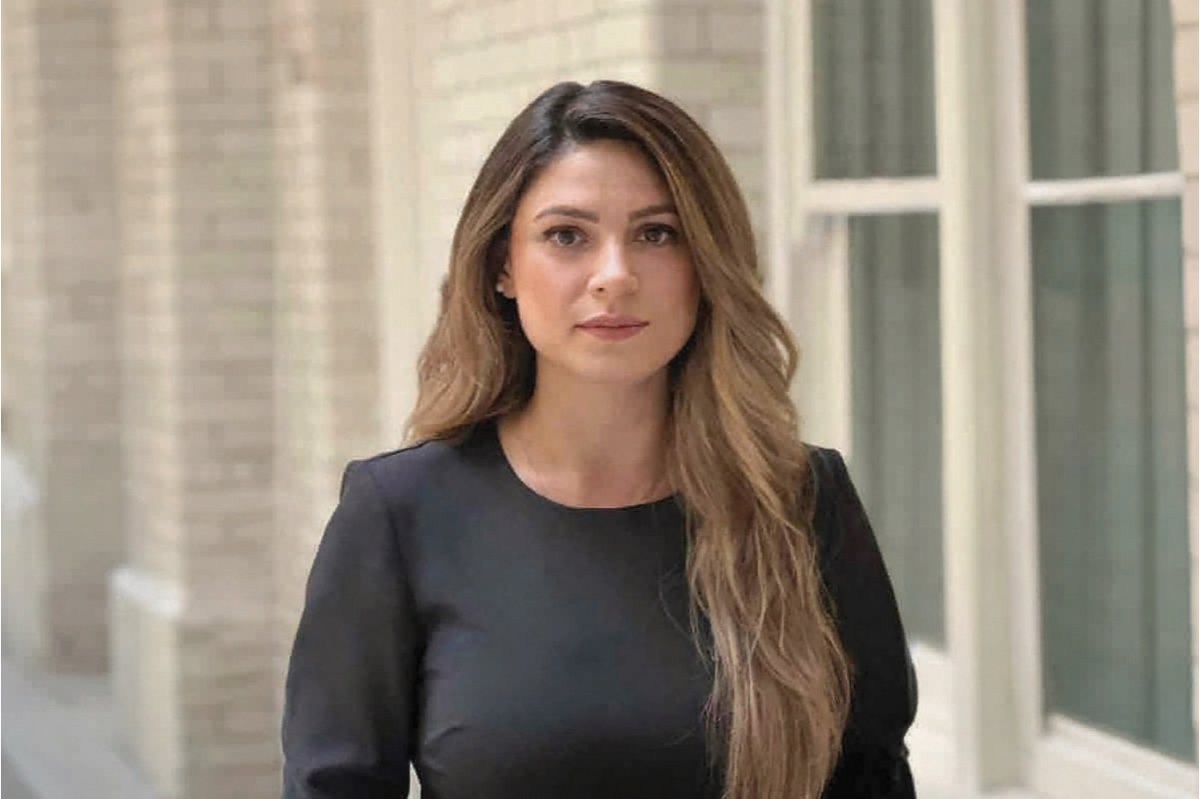
PHOTO: Buket Erdoğan Shares Her Vision For A Fairer, Inclusive, And Thriving United Kingdom
Solicitor And Advocate Offers Insightful Perspectives On Migration, Integration, And Britain’s Evolving Identity
Buket Erdoğan discusses the impact of UK immigration reforms, the importance of integration, and the need for fairness, compassion, and transparency in shaping a stronger, inclusive society.
Buket Erdoğan brings clarity, expertise, and compassion to the complex issues surrounding immigration and integration in the UK. As a distinguished solicitor and advocate, her insights bridge legal precision with human understanding, offering readers a nuanced perspective on the nation’s evolving identity. Her work highlights not only the challenges migrants face but also the invaluable contributions they make to society. Mosaic Digest magazine is proud to feature her interview, celebrating a professional whose thought leadership inspires informed dialogue and fosters inclusivity, fairness, and progress.
Buket Erdoğan’s expertise and dedication illuminate immigration issues with clarity, empathy, and thought-provoking insight, inspiring positive change and informed dialogue.
Can you provide an overview of the government’s proposed changes to immigration policy, including the extension of the indefinite timeline from five years to ten years? How will this affect migrants already living in the UK?
The proposal to extend the qualifying period for Indefinite Leave to Remain from five to ten years is one of the most significant reforms in years. The intention is to ensure that settlement reflects long-term contribution and commitment to the United Kingdom.
However, for those who have already built their lives here in good faith, such a change could be unsettling. People make decisions about homes, children and careers based on existing timelines. If the rules shift midway, it risks eroding trust. Transitional provisions must therefore protect those already on the five-year route. Policy should never penalise those who have done everything right.
It is also causing families chaos and extreme stress, most recently among Transport for London workers who are frontline staff, as well as many other visa holders who now face uncertainty about their future.
What challenges do migrants currently face due to the proposed policy changes, such as extending the indefinite leave timeframe? Do you foresee an impact on integration and stability?
Integration depends on security. When migrants spend a decade renewing visas and paying fees, uncertainty becomes their constant companion. Without a clear sense of permanence, it is harder to feel part of the community.
True integration happens when people feel stable and welcome enough to invest in their surroundings, to open businesses, to volunteer and to contribute to society. Extending the settlement timeline risks keeping people in a prolonged state of waiting, which undermines that process.
“True integration happens when people feel stable and welcome enough to invest in their surroundings, to open businesses, to volunteer and to contribute to society.” – Buket Erdoğan
What safeguards, if any, exist to ensure that both legal migrants and asylum seekers aren’t left in limbo for an extended period with the proposed extensions?
There must be both legal and practical safeguards. Transitional arrangements should protect those who entered under the five-year rule. Families and children must not face unnecessary delays that separate them or keep them in uncertainty.
Equally important is efficiency. Immigration backlogs can cause as much harm as policy changes. Timely, transparent decisions help people feel respected and allow them to move forward with dignity.
How do you think the current scale of immigration, with net migration at 430,000 in 2024, impacts the UK’s infrastructure, public services and general societal harmony?
The number is significant, but migration is often blamed for issues that have deeper roots. The housing shortage, NHS pressures and strains on education stem from years of underinvestment and planning constraints. Migration interacts with these problems, but it did not create them.
In truth, migrants are vital to the very services under strain. They are doctors, nurses, teachers, engineers and carers. Many hold Skilled Worker, Global Business Mobility, Global Talent or Innovator Founder visas. They pay taxes, contribute to National Insurance and often pay international tuition fees for their children. Migration brings challenges, but it also drives progress.
Polling suggests that a significant portion of the public considers immigration divisive and desires lower levels of migration. How can the UK government address public opinion while balancing the need for economic growth and migrant rights?
Public opinion must be heard, but leadership requires both empathy and evidence. The government should communicate clearly how migration benefits the economy and supports public services. If people see a process that is firm, fair and transparent, they are more likely to trust it.
Britain has always thrived as a nation that is both open and orderly. Protecting borders and recognising contribution are not opposites; they are two sides of a healthy national identity.
Prime Minister Sir Keir Starmer recently warned of the UK becoming an “island of strangers.” How should policymakers constructively handle concerns about cultural change without fostering fear or prejudice?
Britain has never been an island of strangers; it has been an island of shared stories. Every chapter of our history has been shaped by people who came from elsewhere and found a home here.
We should also remember that Britain once carried its own vision, language and institutions to distant places such as Australia, New Zealand, Canada, India, parts of Africa and the Caribbean, building enduring bonds of law, trade and culture. If we were once able to extend that vision outward, surely we can now welcome those who arrive here safely and seek to contribute in return.
Migration, when managed responsibly, continues that same tradition of exchange. It strengthens our economy, enriches our culture and renews our sense of purpose. Cultural change should be met not with fear, but with curiosity and care. A confident nation does not see diversity as a threat; it sees it as a reflection of its own history and its greatest strength.
Immigration places a strain on public services such as housing, healthcare and education. For example, a home reportedly needs to be built in England every five minutes to meet demand. How realistic is it for the UK to adapt its infrastructure to keep up with migration levels?
The housing crisis is real, but migration is only one element of it. Underbuilding, planning restrictions and decades of underfunding are larger causes. Migrants are often part of the solution: builders, planners, architects and engineers who help expand capacity.
Britain can adapt, but it must invest wisely and modernise its systems. Blame will not build a single home; collaboration will.
Studies indicate non-EU immigration has the highest fiscal costs to the UK Treasury. In your opinion, how can policymakers develop a more economically sustainable immigration system?
We must look beyond first impressions. Skilled migrants and entrepreneurs contribute far more over time than early fiscal data might suggest. They create businesses, pay taxes and bring innovation.
The government’s Global Talent Drive, backed by a £54 million fund, was launched to attract world-class researchers and innovators. It proves that the UK recognises talent from abroad as essential to its economic future. A sustainable system is one that values contribution, not origin.
“Skilled migrants and entrepreneurs contribute far more over time than early fiscal data might suggest. They create businesses, pay taxes and bring innovation.” – Buket Erdoğan
How significant is the issue of illegal immigration, such as small boat crossings? What steps can be taken to reduce illegal arrivals while safeguarding human rights and international obligations?
Illegal migration is a serious concern, but it must be met with both firmness and fairness. Smuggling networks should be dismantled and asylum claims decided swiftly. Those without grounds should be returned, while genuine refugees, those fleeing necessity rather than opportunity, must be protected.
Safe, capped humanitarian routes are the humane alternative. Protecting borders and protecting people can and must coexist.
Do you believe the government’s proposals adequately differentiate between migrants who can contribute positively to the economy and those seeking refuge from adverse situations? How should the UK approach this balance?
That distinction is vital. Economic migrants come to contribute through skills and enterprise; refugees come seeking safety and dignity. Both deserve respect, but they must be approached through different systems.
A new era in the United Kingdom’s immigration system has begun with the introduction of HC 1333, a reform package that reshapes not only the routes to entry and stay but also the pathway to settlement. The consolidation of refusal grounds under the new Part Suitability signals a decisive shift toward a more uniform and stringent framework, applying equally to temporary and permanent routes. However, the proposed increase of the qualifying period for settlement from five to ten years, and its potential retrospective application to those already on their route to Indefinite Leave to Remain, has raised serious concern among migrants, employers, and legal practitioners. Such a measure would fundamentally alter the expectations of thousands who have lawfully built their lives in the UK, and it is widely believed that this aspect of the reform must be revisited with fairness and legal certainty at its core.
The UK should remain selective yet compassionate, attracting the skills that drive growth while honouring its humanitarian commitments. Whether someone has been here for five years or five hundred, the goal remains the same: to build, to belong and to contribute to the shared story of this country.
We cannot make Britain great by closing ourselves off. We make it great by opening wisely, by being fair, and by remembering that our differences have always been the source of our greatest strength.