



Casey Harvell Redefines Storytelling With Fearless Imagination And Empowering Narratives
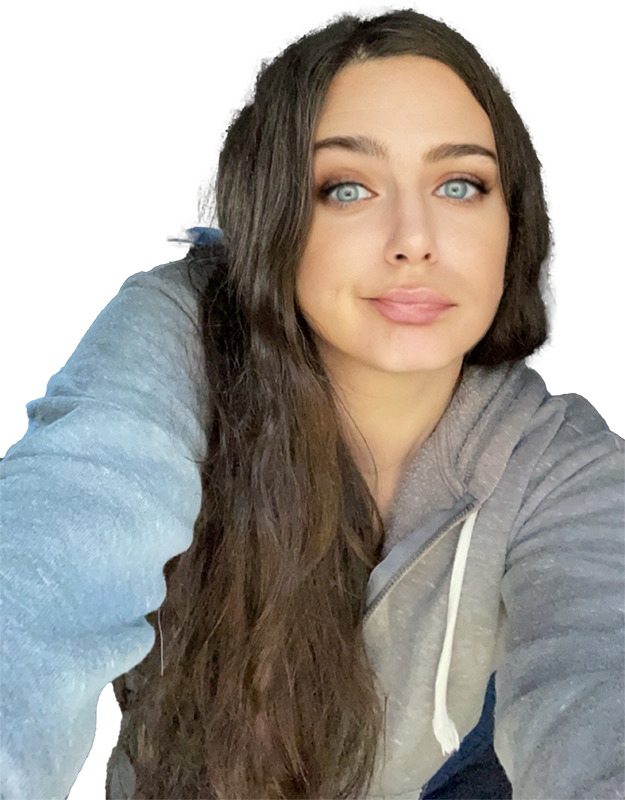
Author Casey Harvell, champion of fearless storytelling and creative empowerment, shares insights on craft, self-publishing, and imagination.
Creative Powerhouse Casey Harvell
Casey Harvell discusses self-publishing success, genre-crossing storytelling, powerful female characters, dystopian inspiration, poverty themes, healing through affirmations, and her belief that creativity has no wrong path.
C asey Harvell embodies the fearless, unfiltered spirit of modern storytelling, and Mosaic Digest magazine is proud to feature a voice so vibrantly attuned to the art of creation. With a career spanning more than sixteen published books of her own and hundreds brought to life for clients, Writes has built a literary world defined by authenticity, resilience, and imagination. Her journey from self-publishing pioneer to multi-genre author is not only impressive—it is deeply inspiring for writers navigating today’s evolving creative landscape.
From the unapologetic boldness of Doesn’t Play Well With Others to the stark realism of The Wrong Way, Writes demonstrates a rare ability to move fluidly between grit and grace. Her Electric Series pulses with dystopian energy and inventive power, while Thought Food offers readers daily affirmations rooted in healing and empowerment. Across genres, one theme remains constant: capable, complex women who command their own narratives. Her stories refuse to sugarcoat life’s harsher truths, choosing instead to present them with honesty—because, as she believes, knowledge is power.
Raised in the culturally rich Hudson Valley of New York, Writes channels diversity, texture, and contrast into her settings and characters. That early exposure to a “mash-up conglomeration” of people, art, and experience shaped her philosophy that there is no single “right way” to create. It is this philosophy that defines both her art and her advice to aspiring authors: write boldly, publish bravely, and never quit.
In this exclusive interview with Mosaic Digest magazine, Casey Harvell opens up about imagination, empowerment, dystopian sparks of inspiration, and the enduring magic of self-belief. Readers will quickly discover that for Writes, creativity is not merely a practice—it is a way of life.
Casey Harvell is a fearless, imaginative voice whose empowering stories and authenticity inspire writers and readers alike worldwide.
What inspired you to write “Doesn’t Play Well With Others,” and how did Selene’s character come to life?
Selene, like all my characters, is a product of my overactive imagination. A lot of writers have different writing practices. Mine is to listen and try to keep up with them. I adore her crassness but should warn readers that the f-bomb usage is mighty throughout these pages.
How much of your personal experiences or background influenced the themes in “The Wrong Way”?
For The Wrong Way, I wanted to give some realistic views to poverty. I thought it was important to reflect that not everyone has resources and that sometimes everyone needs help from others. Beyond that, it’s all fiction.
What inspired the concept of the “Electric Series,” and how did you develop Kat’s journey and her unique powers?
It began when streetlights I walked under either went out or lit up randomly. That spawned a how-cool-would-it-be-to-control-electricity thought process. Next up was the dystopian element. I wanted something different. When I found the Grey-Goo Theory, a series was born.
How did your own journey in self-publishing shape the creation of “Thought Food” and its message of self-love and empowerment?
Thought Food is a one-a-day self-love affirmation book. It doesn’t really relate to my self-publishing journey but is rather a product of my own healing journey. Positive self-affirmations are something I practice daily. I wanted to share the impact of them with others. I chose a one-a-day after watching someone read the AA book daily. I’m not knocking it—but I thought people might benefit more from positivity than constantly being chastised.
How did growing up in the Hudson Valley influence the diverse settings or characters in your books?
The Hudson Valley is a melting pot of cultures, food, ideas, concepts, art, and more. The area itself is beautiful, mountains surround it. It has fancy parts and not-so-fancy parts. It’s a train ride away from NYC or a few hours’ drive to the ocean on Long Island. It really gave me the opportunity to experience a broad range of areas and cultures which I could then apply to my writing.
Are there any hidden messages or themes in your books that you hope readers will uncover?
I try to show capable and powerful women whenever possible. Any other theme or message will usually be stated within the disclaimer or at the end.
Which of your books do you feel most personally connected to, and why?
That’s probably a toss-up between Thought Food (for the reasons listed above) and the Electric Series. In the Electric Series, minus the apocalypse of course, I did have a connection with the characters. Wrapping the series up was bittersweet.
Are there any challenges you faced when writing in multiple genres, and how did you adapt your writing process?
I never really found it challenging to breach from one genre to another. The only notable adaption would be the research behind non-fiction and citing sources, whereas fictional research can be coerced to fit the storyline.
How do you handle the emotional aspect of writing about difficult topics like abuse or mental health in some of your works?
I think the most important part about writing difficult issues is to keep it raw and honest. It’s not a time to sugarcoat something. I want the reader there, in that moment, to experience it for themselves because knowledge is power.
What writing tips would you offer aspiring authors looking to improve their craft?
Write. Don’t worry about what you’re writing or what someone else will think about it. Don’t think that you must go about it a certain way, either. There is no wrong way to make art, that’s what makes art beautiful. Just keep writing, at your pace, your own way.
What advice do you have for aspiring authors considering self-publishing?
Self-publishing is a wonderful option for authors outside of the traditional publishing industry. I will note to make sure you put your best book forward when you do, meaning don’t rush it. Readers will know. When you do publish, even the most flawless work, some people won’t like it. That’s how it’s supposed to be so don’t get discouraged. My best advice is don’t quit. Keep going.
How do your other creative pursuits, such as graphic design or other hobbies, influence your storytelling and character development in your books?
Creativity fuels creativity, whether they’re related of not. Think of it like a muscle, the more you build it, the more you can do with it.