




Eileen Hobbs Brings Magic, Diversity, And Realism To Children’s Literature
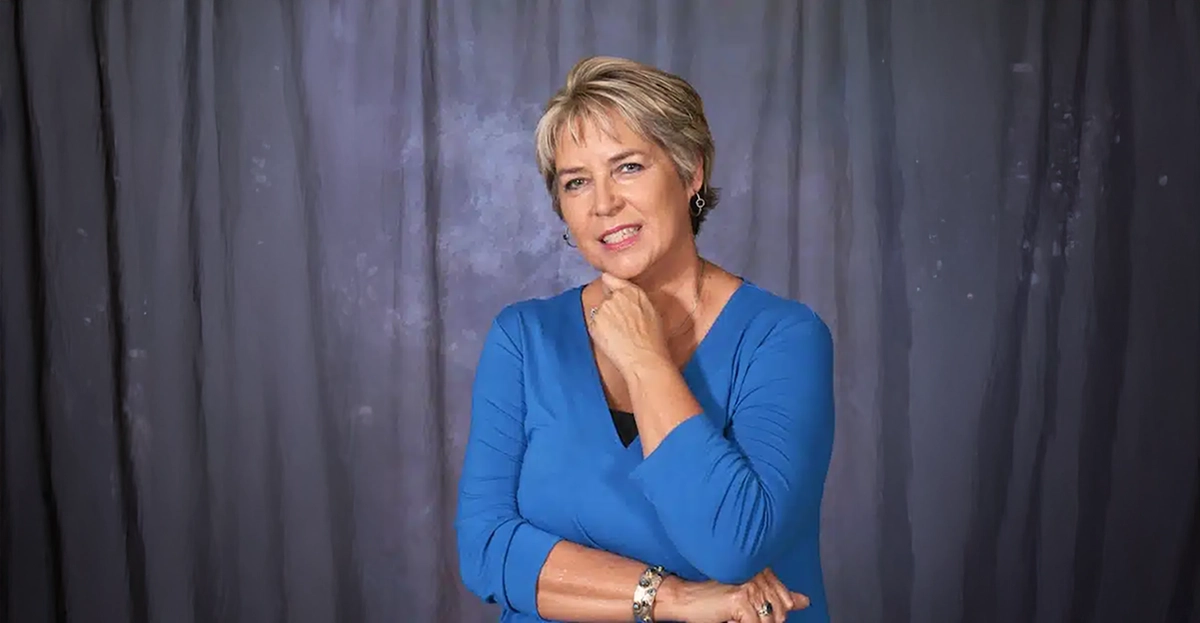
Eileen Hobbs, award-winning author of the Heath Cousins series, inspires young readers with her imaginative tales rooted in diversity and heartfelt themes.
Exploring Fantasy Adventures And Real-Life Themes In Award-Winning Books
Eileen Hobbs masterfully creates enchanting worlds, empowering characters, and culturally rich narratives that inspire young readers to imagine and empathize.
Eileen Hobbs is a beacon of talent in the landscape of children’s literature, combining imagination, emotion, and diverse representation in her award-winning works. The acclaimed author of the Heath Cousins series and stand-alone titles like Under the Golden Rain Tree and Stella and the Sea Stars, Hobbs transports her readers to magical realms while simultaneously tackling real-world issues such as cultural identity, resilience, and bullying. Her skillful storytelling bridges the fantastical with the relatable, making her books a treasure trove for young readers seeking adventure, understanding, and wonder.
A lifelong traveler and learner, Hobbs’ multicultural upbringing in Thailand and her experiences as an English composition teacher for international students infuse her narratives with authenticity and depth. From vividly imagined adventures in magical gateways to heartfelt narratives grounded in real family dynamics, Hobbs crafts stories that resonate deeply with her audience. Her commitment to celebrating diversity and creating relatable, courageous characters shines through in every book, inspiring readers to explore the world—from the bustling streets of London to the serene beaches of Coral Island—with empathy and curiosity.
At Mosaic Digest magazine, we are thrilled to feature Eileen Hobbs as part of our dedication to exploring the brilliant minds behind today’s most compelling literature. Through her riveting series, imaginative fantasy tales, and authentic cultural portrayals, Hobbs has earned accolades such as the Firebird Book Awards and Literary Titan recognitions, cementing her place as a powerful voice in children’s storytelling. It is an honor to sit down with her and delve into the creative process that has enchanted countless readers and budding writers alike. Join us in celebrating a remarkable author whose vision continues to inspire and uplift, one story at a time.
Eileen Hobbs masterfully creates enchanting worlds, empowering characters, and culturally rich narratives that inspire young readers to imagine and empathize.
You grew up in Thailand as the daughter of missionaries before settling in Oklahoma—how has that multicultural upbringing influenced your storytelling and the settings in your books?
It has influenced me in so many ways. Of course, Under the Golden Rain Tree is a direct result of growing up in Thailand and I always wanted to tell a story based in Thailand and include a lot of my own experiences in it. For example, Thai games; eating fruit, like guava, bananas and mangoes; the influence of Buddhism; rice farming; buffaloes etc. I grew up with all of that! I grew up speaking Thai and I want kids to know how cool it is to learn a different language. That’s why Addie B. can read and understand different languages with the Moonstone ring, because that’s something I always wanted to do. But I also grew up traveling a lot in general and since many kids can’t travel, I wanted to include different places and cultures in my books. The Ruby Lantern, for example, is inspired by my Asian upbringing and introduces Mai Li, from China. While I had the privilege of growing up in another country, many kids don’t have that chance and I want kids to know that you can learn about other people and cultures by reading!
Your Heath Cousins series draws inspiration from the childhood games of your own children and their cousins—could you walk us through how those imaginative play sessions evolved into full-fledged fantasy adventures?
I used to watch my two boys and their two cousins playing outside and using their imaginations. They would pretend to be kings and queens, sword fighting with tree limbs, running or chasing the enemy and other escapades. When I first saw this, I thought: wouldn’t it be a great story about cousins that enter a magical land and have adventures? So that’s when I started writing The Heath Cousins and the Moonstone Cave.
The Heath Cousins books span five titles, each with its own magical gateway—how do you ensure continuity and freshness across the series?
I did a lot of rereading of the previous book and tried to make sure that I was consistent from book to book. It was important to me that each character had challenges and growth from book to book while still maintaining their basic personalities. The “freshness” I think came from having the gateways in different locales – London, North Carolina, Maine – so I could include situations that fit in with that locale: British Museum in London, mountains in NC, caves in Maine etc.
Your stand-alone novels, such as Under the Golden Rain Tree and Stella and the Sea Stars, weave in real-world issues like bullying and family change—how do you strike the balance between addressing serious themes and maintaining a sense of wonder for young readers?
I don’t know that I always have that balance but I hope so. There will always be kids that can’t relate to those themes but I just feel it’s important to introduce difficult topics for kids because many of them are going through it already. However, I try not to dwell on it too heavily, and I try to intermix adventure and humor with it. I also try to show that you can face a lot of hard things with the help of good friends and your family. I also try to have an ending that may not solve everything but hopefully ends on a positive note.
Stella and the Sea Stars introduces readers to magic in a seaside setting while exploring divorce and resilience—what inspired this particular story, and how did place—such as Coral Island—shape the narrative?
First, I love the beach so much. My husband and I have a condo on the beach in Long Boat Key, Florida. Being there inspired Stella and the Sea Stars. I just loved the idea of Stella, who is going through a hard time due to her parents’ divorce, going (reluctantly) to the beach, discovers about her own heritage, and learns more about her parents, especially her mom. This brings her closer to her mom and grandmom. I love stories about going through a hard time and then becoming closer to family or friends through it. But I love fantasy too, so I wanted to bring that element in with the Sea Stars. Stella realizes she is not alone and that she has a rich connection to the sea.
Diversity is a key value in your writing, featuring characters from various cultural backgrounds—how do you research and develop these characters authentically, and what feedback have you received from young readers?
My family is very diverse. My oldest son was adopted from Paraguay and my youngest son is part Native American. I grew up in Thailand and my husband grew up in Hong Kong. A lot of developing characters authentically comes from watching my boys grow up and hearing about their experiences as well as my many great nieces and nephews. It is important to include this diversity in my books because of my kids but also we are a diverse society and hopefully some kids will be able to identify with my characters because of that. Most of the feedback I get is positive, but kids are all so different, and their taste in books is different and I totally respect that.
You teach English composition to international students, which seems like rich inspiration for a writer—how does your teaching work feed into your writing, and vice versa?
I am retired from teaching now but I loved my international students. They were my window to the world. They were so smart and courageous to come study in another country. I think just being around them, hearing them tell about their culture and country – I absorbed a lot of that and could include it in my writing.
You’ve amassed quite a few accolades—from Firebird Book Awards to Literary Titan recognitions for titles like Ruby Lantern, Crystal Canyon, and Silver Statue—what have been the most meaningful award moments for you, and how have they impacted your career?
They have all been wonderful award moments but I guess my first award, for Crystal Canyon, stands out. It was at the Bookfest Awards Ceremony and I was called up on stage and recognized. I was so happy that night and felt so honored. I’m not sure if the awards have impacted my career per se, but each one gives me confidence to keep going and to keep writing. I suffer with the imposter syndrome still.
Having visited schools and engaged young readers in creative activities—from read-alouds to crafting gemstone necklaces—what do these interactions teach you about your audience, and how do they influence your future stories?
I love talking to kids about their interests. They are just so smart and funny. I love teaching them Thai words to share with their parents! I find out what they are reading, what they like about the stories. They give me such great ideas. “You should write about a worm hole, or do a sequel to The Heath Cousins, or write about zombies.” So far, only the sequel is in the works. They also share their stories with me – what they have written – and that makes me so happy too. They are my inspiration for sure!
Lastly, for fellow or emerging children’s authors, what advice would you offer—whether about crafting fantasy grounded in real emotion, balancing diverse representation, or maintaining authenticity while addressing challenging topics?
Write about what you love because that will definitely come through in your writing. If you love zombies, write about zombies! If you love Pikachu, write about an adventure you had with Pikachu. Don’t worry so much about the grammar, style etc. especially in your first draft. Just let the story take you away. Keep a notebook of your stories. I have several! You never know when you might turn one into a book.