





Erna J. Weissman Weaves Dark Fantasies and Chilling Tales That Resonate with Emotional Depth
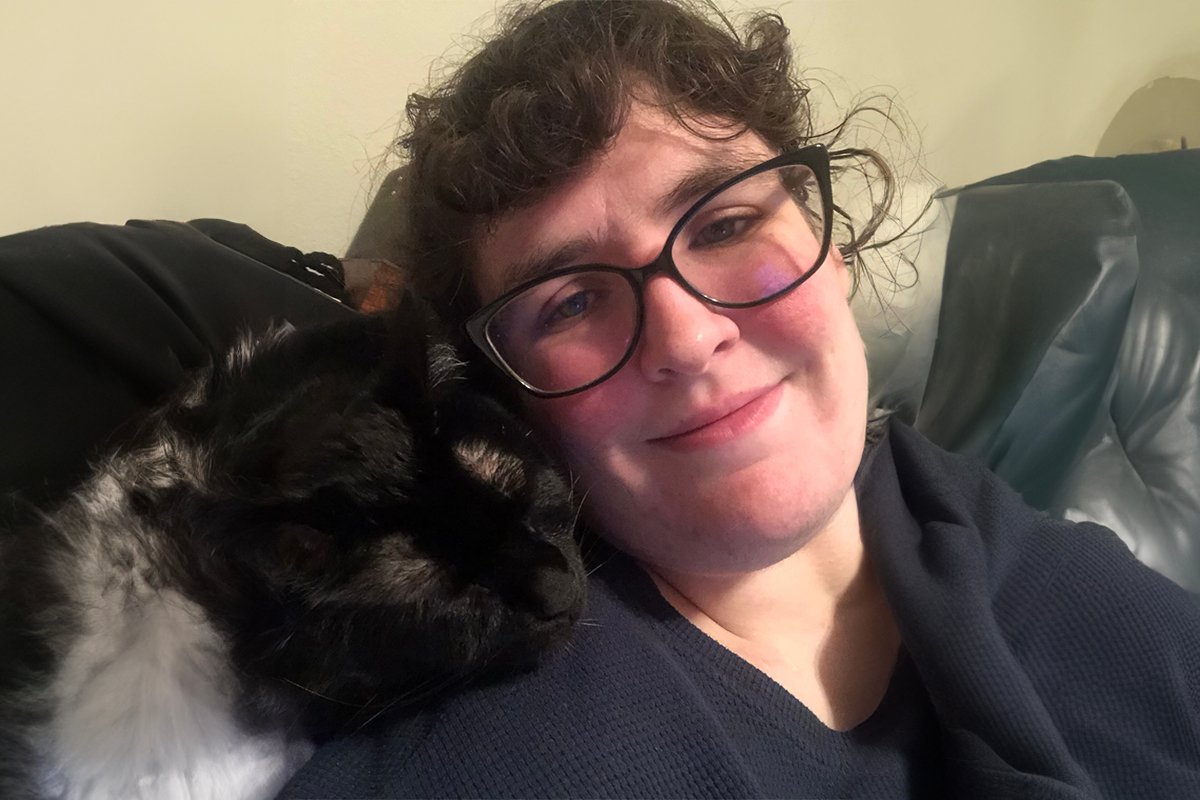
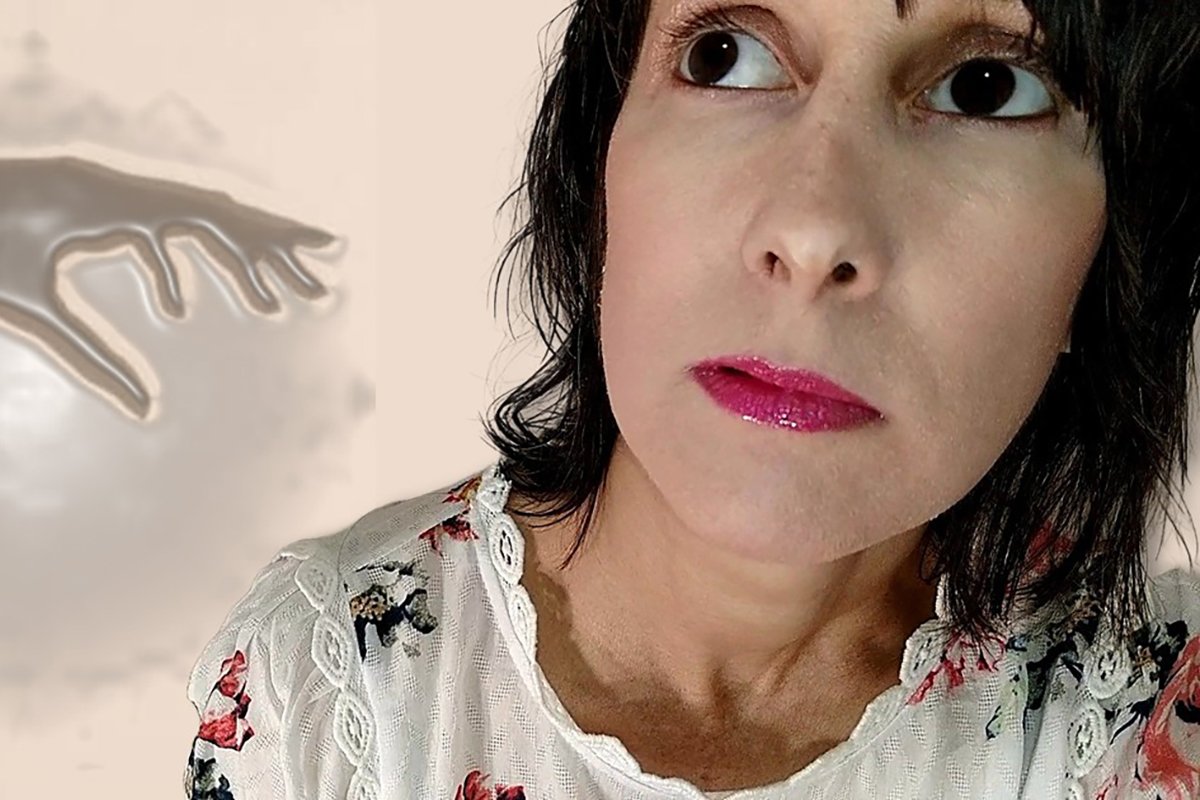
Photo: Erna J. Weissman, author of Venturing into the Darkness and The Raven’s Hexad, shares her journey into the realms of dark fantasy and horror.
Emotional Struggles and Timeless Themes in Weissman’s Works
Erna J. Weissman opens up about crafting dark fantasy and horror, sharing insights on suspense, character struggles, inspiration from music, personal experiences, and the artistry behind her haunting narratives.
E rna J. Weissman stands as a radiant beacon of creative passion and literary integrity. An autistic Pagan with a gift for merging the personal and fantastical, her writing offers more than just stories—it delivers powerful, emotional truths dressed in the immersive worlds of dark fantasy and horror. Since venturing into the realm of self-publishing in 2020, Weissman has forged a unique path in literature. While her works may not stretch to conventional novel lengths, every word resonates with authenticity and heart, ensuring a lasting impact on her readers.
At Mosaic Digest, we are captivated by the distinctive voice Weissman lends to her chosen genres. Her stories are not merely about monsters in the shadows but delve into the psychological tension and emotional struggles that connect deeply with readers on a human level. With works such as Venturing into the Darkness and the eerie collection The Raven’s Hexad, Weissman reveals herself to be a master of atmosphere, weaving suspense and rich, haunting undertones into every tale. Her characters, influenced in part by her own life experiences, are both otherworldly and undeniably relatable—exploring themes of identity, social rejection, and inner turmoil with an honesty that feels rare in today’s literary landscape.
Her passion for music and digital art further enrich her storytelling, offering a glimpse into an expansive and evolving creative world that, as she says, reflects her literary endeavors. Whether designing her own book covers or crafting stories that cut straight into the emotional core, Weissman demonstrates a rare and multifaceted artistry.
In this exclusive interview, Weissman takes us behind the curtain of her creative mind, sharing the inspirations, challenges, and philosophy that drive her work. As you delve into this conversation, we invite you to enter the shadowy, captivating worlds of Erna J. Weissman—a writer whose works illuminate the profound beauty that can be found in darkness. At Mosaic Digest, we are proud to share her story and celebrate the brilliant voice she brings to the genres of horror and dark fantasy.
What first inspired you to begin writing fantasy and horror, and how has your creative vision evolved since your debut book Venturing into the Darkness?
I grew up loving scary stories. When I was 13, I decided to start writing my own. As I started writing real books in 2016, I began finding inspiration in multiple places in ways I wouldn’t have anticipated.
Many of your stories are rooted in dark worlds and psychological tension. How do you approach building atmosphere and maintaining suspense throughout your narratives?
My one method is to carefully measure how much detail I give in each scene. For example, when I was writing one of my most recent books, Vindicta, I made sure to leave both my characters and my audience guessing when the killer would appear again.
Your characters often face emotional and internal struggles. How do you develop these arcs to feel authentic and engaging for readers?
Some of these struggles stemmed from personal experiences. There’s no better way to make struggles feel more real than to have personal experiences with them yourself.
Music has played a role in inspiring your work, particularly with Venturing into the Darkness. Are there other artistic influences that shape your storytelling?
As of right now, that would be Adrian von Ziegler, Derek Fiechter, and Brandon Fiechter. Who knows? Maybe I’ll find more in the future.
The Raven’s Hexad spans a collection of dark fantasy tales. Which of the six stories was the most challenging to write, and why?
Venturing into the Darkness. See, before that, all the stories I’ve written were standalone short stories. Writing longer stories is harder than it looks, but it’s worth it.
How does your digital art on “Draculauren’s Castle” influence—or reflect—the worlds and characters you create in your books?
I’d say they reflect more than they influence my written work. Truth be told, I’d never combined my digital art with my books until recently when I decided to start designing my own book covers. It’s not the best seeing as I’ve never designed book covers before, but I’ll get the hang of it.
What themes or questions do you find yourself returning to most often across your novels and novellas?
I suppose it would be themes of internal conflict (social rejection, ableism, identity crisis, etc.). Despite how bad it may sound, it’s actually a good thing. Everyone faces their own struggles and needs someone to connect with. This is one of the main reasons people read certain stories: they feel they can identify with the main character because they share similar struggles.
What advice would you offer to other aspiring authors who wish to explore darker genres like horror and dark fantasy?
Scary stories aren’t about hideous monsters, vengeful spirits, or bloodthirsty psychopaths. It’s about evoking genuine feelings of dread, tension, and fear in your audience.