





Exploring Love and Life Through the Words of Dushica Labovich
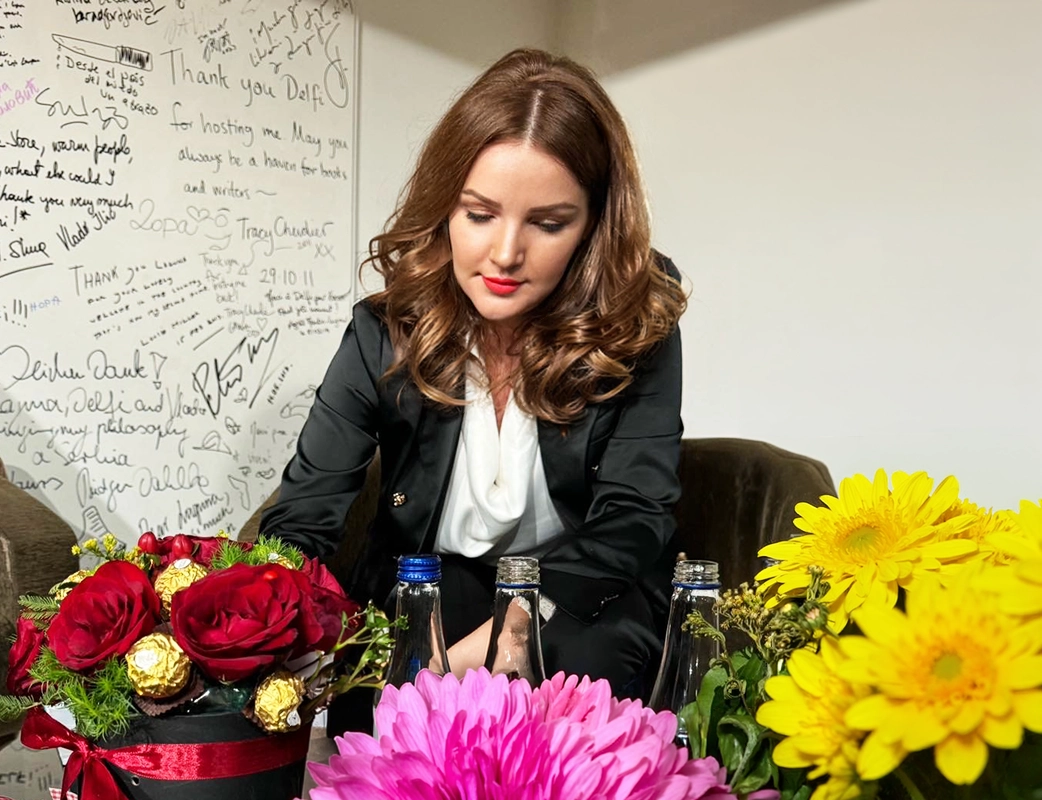
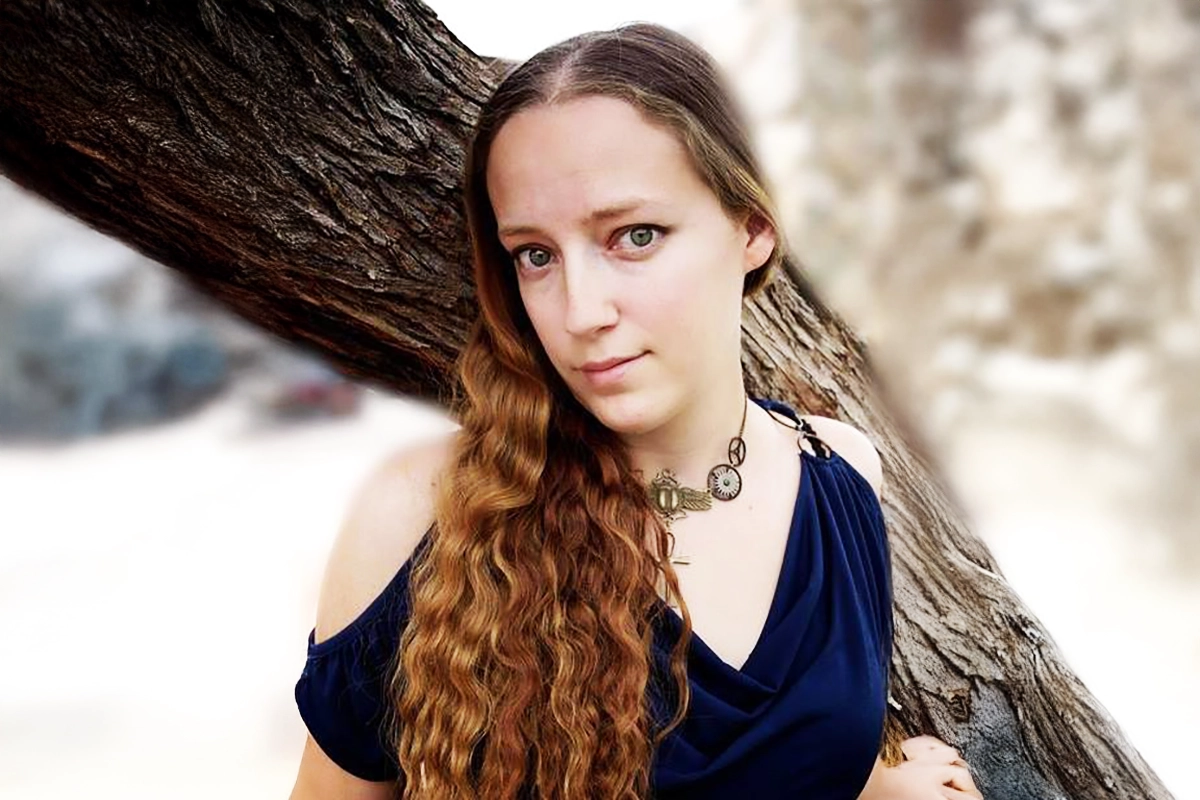
Photo: Dushica Labovich, author of The Best That’s Left of Us and pioneer of heartfelt Mediterranean romances with psychological depth.
Music, Love, and Mystery in a Mediterranean Setting
Dushica Labovich shares insights into her enchanting Mediterranean-inspired novels, her creative process, and how philosophy, travel, and psychology bring emotional depth to her breathtaking romantic storytelling.
D ushica Labovich emerges as a shining new voice in contemporary romance, seamlessly blending the alluring charm of seaside European towns with emotionally resonant storytelling. A Montenegrin novelist with a uniquely powerful perspective shaped by her roots and her academic background in philosophy and psychotherapy, Labovich is quickly capturing hearts worldwide. Her latest novel, The Best That’s Left of Us, is already a sensation in Montenegro, enchanting readers with its tender exploration of love, music, and human connection. Heralding comparisons to Elena Ferrante and Lucy Score for her elegance, humour, and depth, Labovich is at the crest of building global recognition. Join us as we delve into her creative journey, inspirations, and the transformative power of storytelling.
Dushica Labovich captivates readers with evocative, profound, and heartfelt novels that blend romance, psychological insight, and cultural richness beautifully.
What inspired you to start writing, and when did you decide to pursue it as a career?
I wrote my first essays at the age of seven, which my parents immediately recognized as having quality and potential. As a professor of philosophy and a psychotherapist, I have always been deeply connected to words, their power, and their meaning. Through my professional work, I came to realize that writing is, for me, a true remedy for the soul — at once a hobby, a necessity, and a path to self-understanding.
In 2013, I wrote my first short narrative non-fiction novella, and it was then that I decided to publish my work as a book. That decision marked the beginning of my serious literary journey — one that, in many ways, began over a decade ago.
Could you share the creative process behind your novels, particularly “ALL YOU NEED TO KNOW ABOUT LOVE”?
All You Need to Know About Love grew out of a deliberate desire to write a romantic narrative that goes beyond sentiment and leaves a lasting imprint on female consciousness. My aim was to reimagine the classical romantic tradition — most often associated with works such as Wuthering Heights and Pride and Prejudice — within a contemporary context, both culturally and geographically rooted in my small Mediterranean country on the Adriatic coast.
The novel is shaped as upmarket romance, with a clear intention to explore the emotional development of a female protagonist across distinct stages of life: from childhood and adolescence, through youthful vulnerability, to mature creative self-awareness.
“The worst thing a man can do to a woman’s heart is to ignore it.” – Dushica Labovich
How do your travels and exploration of ancient cultures influence your writing?
My travels and my engagement with ancient cultures play a fundamental role in shaping my writing, particularly in the way I construct characters. I believe that a compelling novel begins with a compelling protagonist — someone with a fully realised inner life and personal history, allowing the reader not only to imagine them, but to truly understand them.
To create a convincing psychological portrait, I draw on insights from a range of disciplines, including cultural studies, philosophy, and ancient systems of thought. This interdisciplinary approach allows me to view narrative not simply as a sequence of events, but as an inner process of transformation, deeply connected to humanity’s symbolic and cultural heritage. For example, in my smart thriller with romantic elements, The Salvador Dali Formula, I incorporate theories drawn from various ancient cultures.
In this sense, my writing is always shaped by the genre I am working in. Research, accumulated knowledge, and the visual impressions gathered through travel function both as tools for building literary landscapes and as an intellectual framework for the more reflective layers of the text. Writing, for me, is where lived experience, cultural memory, and fiction naturally converge.
What inspired the plot and characters of your novel “The Best That’s Left of Us”?
I was inspired by a love story once again, but this time my greatest influence was the Mediterranean winter — the slower rhythm of life and solitude on the islands of the Adriatic Sea, along with the inner world and emotional sensibility often found in musicians, particularly pianists.
The protagonists of my novel are pianists, and I greatly enjoyed exploring this trope, as I have yet to encounter a romantic comedy with subtle elements of mystery that centres on — or is inspired by — professional classical musicians.
“I begin to hear voices, and I can’t concentrate. So I am doing what seems the best thing to do.” – Virginia Woolf
How do you balance the romantic and suspenseful elements in your books?
I weave romance and suspense in a way that allows the reader to sink into a warm atmosphere of chemistry and magnetism, following the slow burn between two people falling in love. At the same time, to keep the narrative fast-paced and genuinely page-turning, with enough intrigue to draw the reader forward and compel them to discover what happens next, I always introduce a subtle layer of mystery or suspense. In this way, the novel offers depth, rather than being solely a love story.
Could you tell us more about your experience with different publishers and self-publishing?
When it comes to self-publishing on US and UK platforms, promotion is essential. Although I travel frequently and have had promotional experience in the UK — including a dedicated campaign for my book Secret of a Bridge — my overall experience with self-publishing has been mixed.
By contrast, I have had a very positive experience working with traditional regional publishers in my home country. I firmly believe that an author from the southern shores of Europe needs a literary agent to ensure effective international representation and global positioning, and I sincerely hope to continue working within that framework.
What kind of books or authors inspire you as a writer?
I am most drawn to non-fiction, particularly books on the psychology of love and conscious living, as they align closely with my view of writing as a tool for self-exploration. I am also deeply interested in character-driven romantic fiction that incorporates mystery or suspense and explores emotionally intense relationships, especially when told from multiple perspectives. Finally, I enjoy psychological thrillers that sustain intellectual and emotional tension right up to the final twist.
What has been the most challenging part of being an author, and how did you overcome it?
The hardest part of being a writer is rejection — and refusing to let it silence you. If you truly love what you do, rejection won’t stop you — your dreams will catch up with you, sooner or later.
What writing tips would you give to aspiring authors?
One of the best pieces of advice I can offer writers is to remember that, while you are writing, no one is watching — because no one actually is. I once heard this in an interview with Dan Brown, and I find it deeply liberating. Write from the soul, without trying to please others; even publishers and editors cannot predict success. That is why honesty in writing is always the safest path.
What advice would you give someone just starting their journey as an author?
I would advise new authors to define their genre clearly from the outset and to think carefully about their pitch, tropes, and subgenre, as these determine how the book will be positioned and where it will sit on bookstore shelves.
How would you suggest aspiring authors find their unique voice in storytelling?
I believe every author must first recognise what they carry within themselves that no other writer does. This uniqueness may come from one’s origins, upbringing, environments, or a life experience that leaves a lasting mark. It does not need to be extraordinary — only genuine.
When a writer learns to listen to this inner voice, rooted in their own identity, they move away from imitation and the temptation to adopt the voice of more established authors. Instead, they begin to write from a place of integrity and lived experience. It is only within this space of authenticity that a truly distinctive literary voice can emerge — and it is precisely this originality that gives a book its highest value, making it recognisable to both readers and the publishing world.