




Hubert L. Mullins Delivers Horror And History With Unmatched Imagination
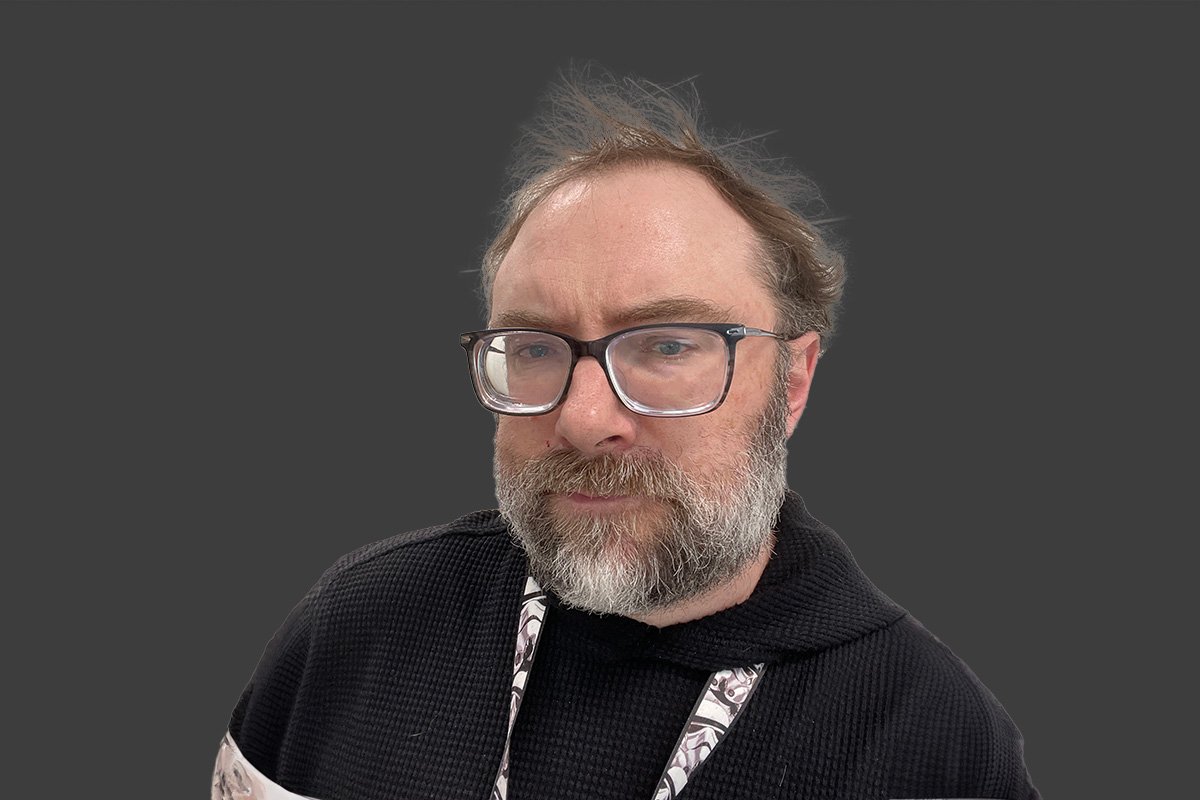
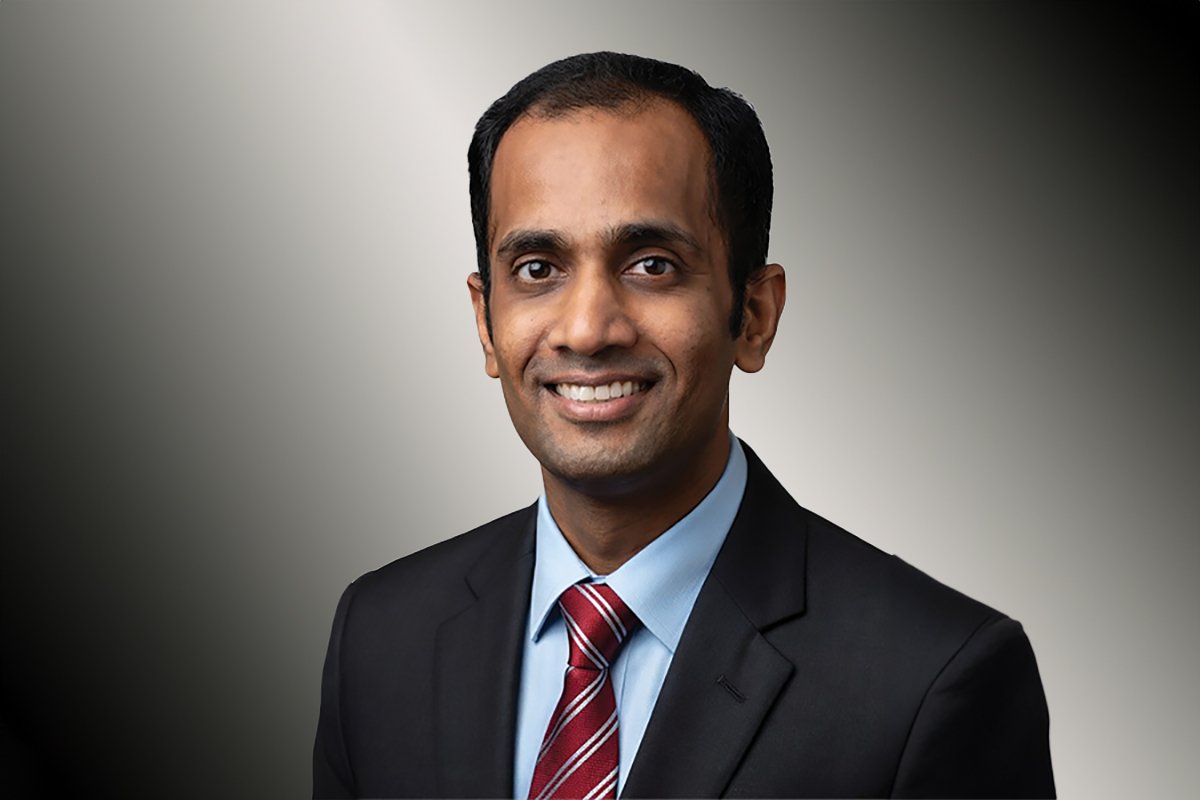
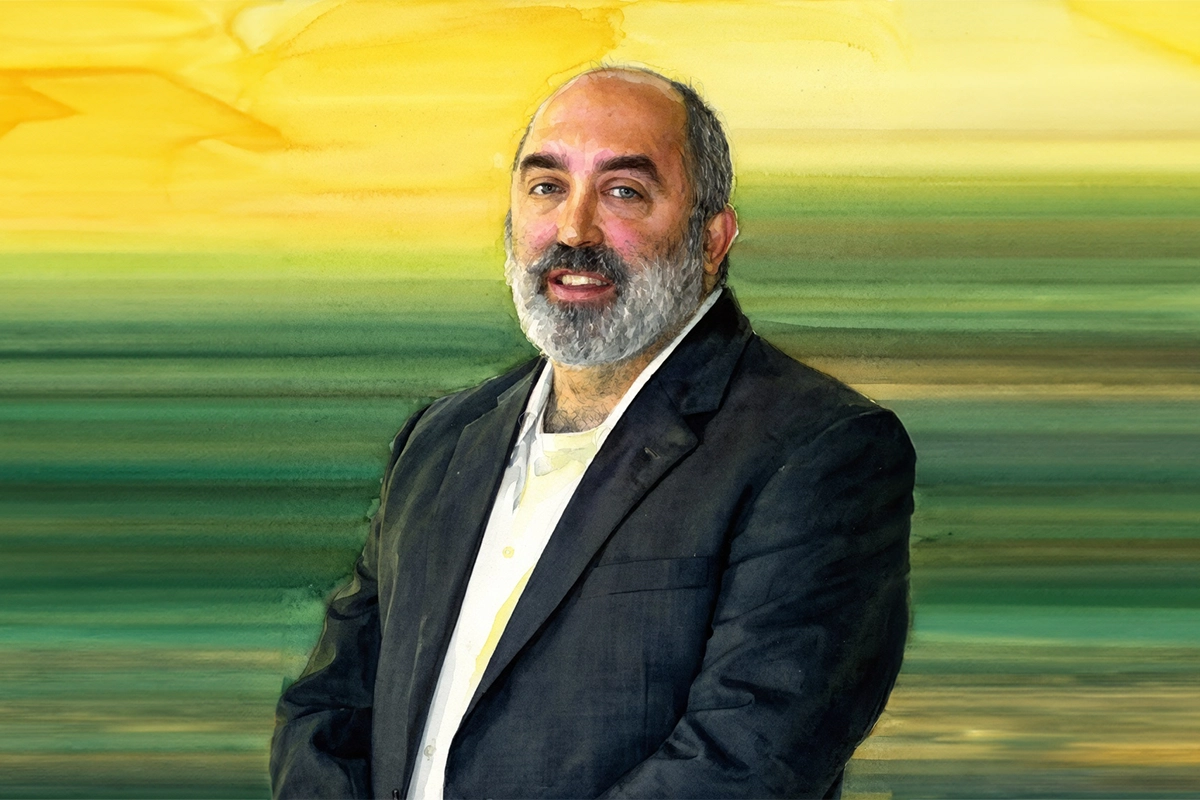
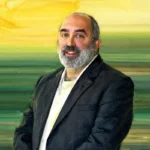
PHOTO: Hubert L. Mullins Discusses His Passion For Horror, Mythology, And Storytelling In An Exclusive Mosaic Digest Interview
Exploring Mythology, Terror, And Emotional Depth Through Stories That Captivate And Haunt Readers
Hubert L. Mullins blends horror, mythology, and history in gripping novels, crafting immersive narratives that explore fear, human resilience, and the extraordinary within the ordinary, leaving readers enthralled and inspired.
Hubert L. Mullins, a masterful storyteller whose works seamlessly intertwine history, mythology, and horror, creating immersive experiences that captivate readers from the first page. At Mosaic Digest magazine, we are thrilled to present this exclusive interview, celebrating Hubert’s ingenuity, narrative skill, and ability to transport readers into worlds both terrifying and profoundly human. From the haunted decks of the Titanic in Blood & Salt to the mythological labyrinths of Under a Shattered Olympus, Hubert’s stories challenge imagination while exploring fear, resilience, and the depth of human emotion. His dedication to craft, meticulous research, and unwavering commitment to authenticity make him a standout voice in contemporary horror and speculative fiction. This feature highlights not only his literary achievements but also his insights into the creative process, world-building, and the art of storytelling that keeps fans eagerly turning pages.
Mullins’ storytelling is masterful, combining intricate plots, rich characters, and chilling suspense that resonate deeply with horror and thriller enthusiasts worldwide.
You mention that you began your career writing dark fantasy and have since expanded into horror, thrillers, and even family drama. What was the pivotal moment or influence that led you to diversify your genres?
My first trilogy (The Covenant Trilogy) was born out of necessity. I had gotten hurt on the job and couldn’t walk for several months. What started as a Dungeons & Dragons module morphed into a full-fledged trilogy. I wanted to write vampires in a way that hadn’t been done. Over the years, I’ve simply kept a simple rule to write the books I want to read. This is usually my starting point with a project.
Under Snake Island and Under Crete are part of your “Under a Shattered Olympus” saga. How did you balance the mythological elements with horror, and what research or mythology sources did you draw from?
Under Bethel was the first book of this series and it wasn’t meant to be a saga. That book just so happened to have a neat plot twist that involved a creature from Greek mythology. This character made writing horror elements quite easy. And since I’m afraid of spiders, I think that particular fear translates well to the reader. For research, I watched hours of videos, read several mythology books, and of course found mythology in several wonderful works of fiction.
Your novel Blood & Salt is a historical horror set aboard the Titanic with vampires — a bold mash-up of history and speculative elements. How do you approach blending real historical settings with supernatural fiction while maintaining plausibility?
After I wrote Under Bethel and was forced to research spiders (something I’m very afraid of), I decided my next book would involve research I knew I’d love. Titanic. I wanted to do something unique and I thought of how such an isolated event could lend itself well to horror. It also gave me a chance to explore a non-Dracula vampire that had a very interesting backstory.
You state that you “take a strong stance against AI in writing and cover design,” though you use AI for ad imagery. How do you see the ethical boundary between useful AI tools and preserving artistic or authorial integrity?
I suppose I don’t view it in the way others do—I’m a writer. I love to write. That’s my passion. Why would I want something to do that work for me? I see it as a tool, nothing more. As far as cover art goes, I don’t think I would ever be as happy with an AI image as I would be with an image where someone who’s listened to me, understood my story, and created their own work. As far as the ad imagery goes, I simply follow the math. Upon researching social media platforms like Facebook’s ad library, I found the most successful and compelling ads were always those with an AI generated image, rather than the book cover.
Over your 19 years as a professional writer, what has been your toughest rejection or setback — and how did you turn it into a learning experience?
I’ve written two books that are outside my usual genre: The Last Library and Breath of Mars. These are also two of my most favorite books. I also feel these are the books that contain more of ‘me’ than any of the others. But these are also my worst-selling books. How I wish Breath of Mars had half the appeal as Blood & Salt because it is just so raw and personal. I took the character-building lessons from those books and have tried to apply it to all my writing.
In building the worlds of your books, do you begin with characters or with setting? Could you walk us through your typical world-building process?
Usually I start with the characters. I feel I have to figure out what kind of story they can tell me before I can tell their story. Once I have a general idea of my players, I can start to world-build. This usually hinges upon a single sentence. What if there were vampires on Titanic? What if people went missing in a cavern filled with giant spiders? After I have characters and have answered my question, I can start fleshing things out.
Editing, pacing, and tension are critical in horror and thriller writing. What techniques do you use to maintain momentum in a longer narrative without exhausting the reader?
I am a fan of slow-burn thrillers. My latest book, Hopewell Hollow, is all about that. I try to have a new event unfold every twenty pages. This can be minor to Earth-shattering, but it needs to occur often enough to give the reader breadcrumbs. As far as the writing process goes, I think it’s important, in horror especially, to activate all five senses. Reader immersion is key.
For your non-horror or more character-driven works, how do you shift your mindset or craft when moving from visceral horror to more emotional drama?
My emotional dramas (The Last Library and Breath of Mars) struck me when I wasn’t even looking. Both of those books were written in less than two months because the idea and emotion hit me in such a profound way that I couldn’t do anything until I had those words on paper. When I wrote Breath of Mars, it came to me right in the middle of writing Under Bethel. I actually stopped that book to power through Breath of Mars. So I would say that horror takes planning. Drama takes inspiration.
“Horror takes planning. Drama takes inspiration. Both require authenticity to engage the reader fully.” – Hubert L. Mullins
Many readers today discover authors through social media, newsletters, or promotions. What has been the most effective marketing or reader engagement strategy for your books, and what would you change if you could go back?
My social media accounts are small, but I think they are effective. Even though I’ve been doing this for so long, I don’t feel as though I’m good at promotions or social marketing. I have used newsletters in the past. The most effective reader engagement I’ve found is through Facebook by having genuine conversations with people. One thing I would change is going back and starting an email list much sooner.
Advice for fellow and aspiring authors: Looking back on your career now, what one or two pieces of advice would you offer to other writers striving to build longevity, authenticity, and resilience in speculative and horror fiction?
I would tell new writers not to worry about other people so much. Writing is personal and you don’t have to show it to anyone until you’re ready. I also recommend getting the first draft down no matter what it takes. Don’t reread, don’t edit, don’t go over it again. Power through until the end, even if it’s a mess when you’re done. It’s a first draft and it’s supposed to be that way!