










Jordyn Barnes Explores Love, Identity, And Resilience Through Contemporary Romance
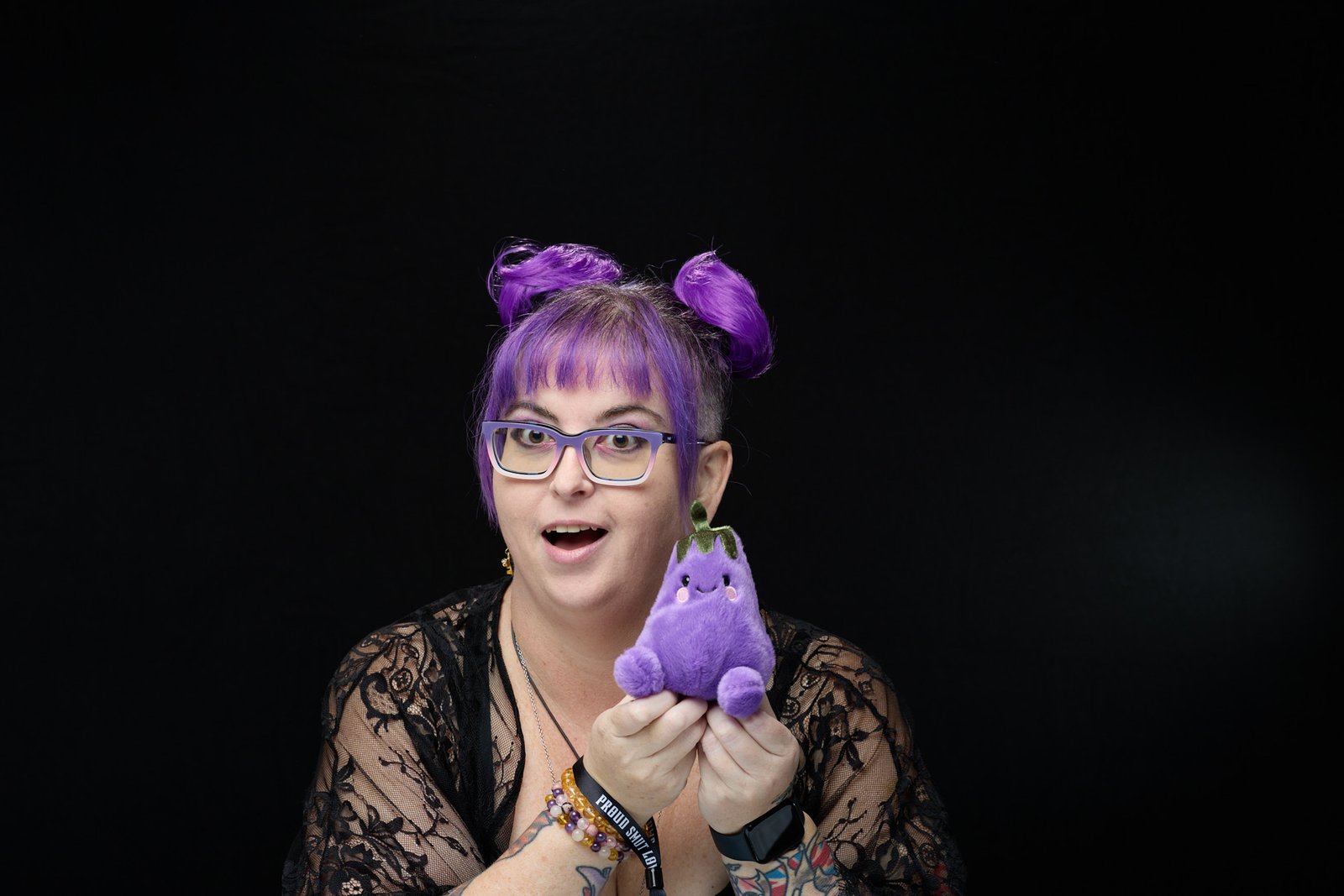
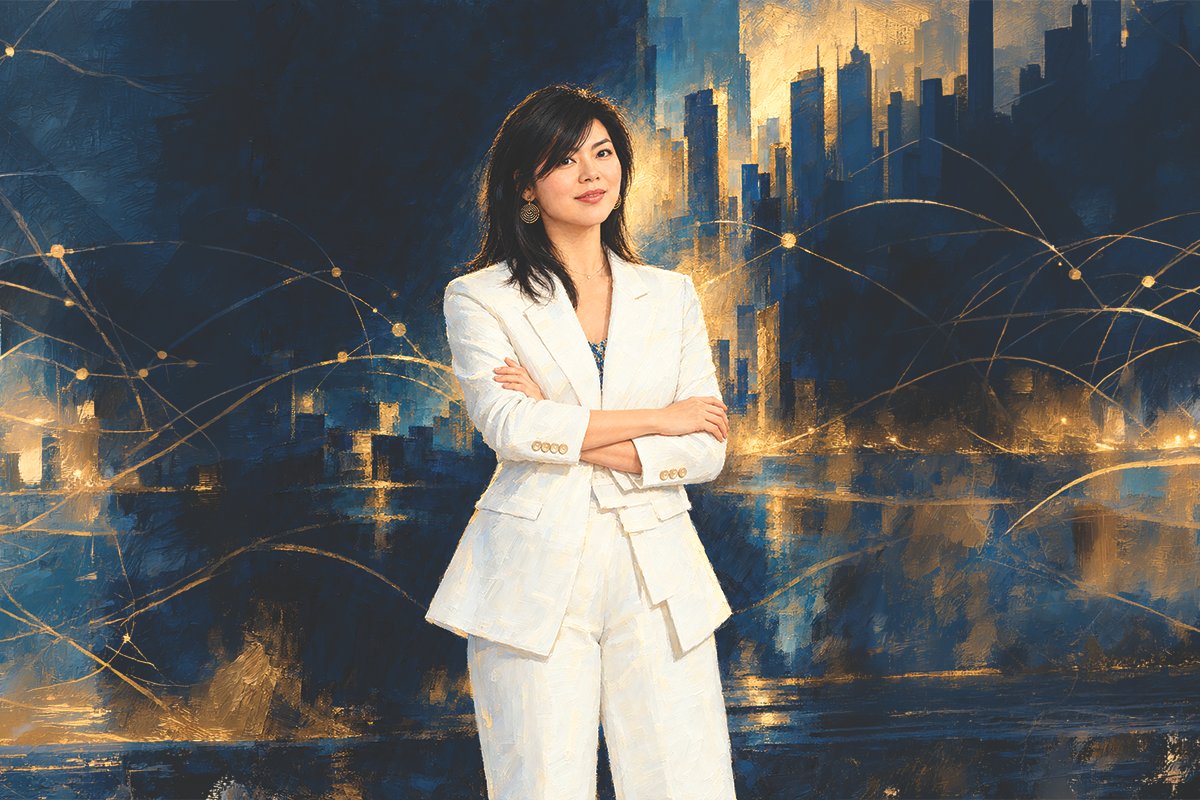
PHOTO: Jordyn Barnes brings raw emotion and authenticity to contemporary romance, creating stories that resonate with readers worldwide.
Discover How Jordyn Barnes Crafts Realistic Characters And Stories That Celebrate Mental Health, LGBTQIA+ Representation, And The Complexity Of Life And Love
Jordyn Barnes writes compelling contemporary romance with depth, exploring mental health, LGBTQIA+ representation, and realistic life challenges through relatable characters and emotionally engaging storytelling.
Jordyn Barnes writes with a bold, authentic voice that brings contemporary romance to life through complex characters, real-world struggles, and rich emotional depth. Specializing in 2SLGBTQIA+ representation, mental health awareness, and disability inclusion, Barnes’ Hollywoodland series explores life, love, and the human experience in Los Angeles with honesty and heart. Mosaic Digest is proud to feature this interview, highlighting how Barnes’ work resonates with readers who crave stories that are both dramatic and deeply relatable.
Jordyn Barnes’ novels captivate with their raw emotion, realistic relationships, and thoughtful exploration of identity and personal growth. Through her storytelling, she challenges norms, celebrates resilience, and reminds readers that even broken pieces can become beautiful.
Jordyn Barnes delivers raw, authentic, and emotionally powerful stories that captivate readers while highlighting inclusivity and human resilience.
What inspired you to create the Hollywoodland series and what do you hope readers take away from the books?
For most of my life, I didn’t think I liked romance as a genre. I was more of a true crime, horror, and occasional thriller reader. One time, a friend and I were talking about what I do and don’t like about romance, and she realized I hadn’t found the right books. I’m not a rom-com watcher, so why would I be a rom-com reader? I like dark, gritty, real, and as spicy as I can get it. It opened the door to so many books, and I realized I loved when authors would delve into the character’s minds and really bring out the human elements that make the characters relatable. So when I published a book I’d written, that’s what I wanted to aim for as well. Something that addresses social issues and doesn’t shy away from making a statement.
Your characters are often described as broken, can you tell us what draws you to writing about characters with complex pasts?
I always felt it gave the characters a bit more realism because each and every person has been broken at some point in time in their life, and I wanted to focus on that and the idea that it’s okay to be broken. Broken is part of life, but with so many human problems, we like to shove it away in a box and pretend it could never happen to us. But it does. I use the term broken because I’m fascinated by the Japanese art of Kintsugi. I don’t remember where I first learned of it, but the basic idea is that when pottery breaks, they don’t throw it away. They use a special technique to glue it back together using gold powder to emphasize the break, not hide it. It symbolizes breaking is just a part of life and that break is an important part of the piece’s history. That’s just beautiful to me. And because of the gold, it ends up more beautiful than it started. People should be like that, too.
“Broken is part of life…Kintsugi shows that breaks can make something more beautiful than before, and people should be like that too.” – Jordyn Barnes
How do you balance the darker themes in your work, such as mental health and trauma, with the lighter moments and romantic elements?
They work together in the story to complement one another. The dark moments help the lighter ones shine and allow the reader to breathe again. The dark moments are also therapeutic to write for me, and some of my readers have said they felt that way while reading them, too. I always have a friend of mine—a licensed therapist—read the books in the early stages, and she’s helped me to craft realistic responses and trauma reactions that people could have. Of course, no two people will react the same, and that’s something readers should try to keep in mind.
The settings in your books are often real locations, what is it about these places that resonates with you and how do you choose them?
I moved to California with my brother in 2013 and lived there for ten years (Hollywood, Santa Ana, Long Beach, Fullerton). After growing up in Florida, it was something of a culture shock in the most positive and eye opening way possible. It felt like home, and still feels that way even now that I’m back in Florida. The places I use are a mixture of places I’ve been to, heard about through friends, or found in some other way that stuck with me. Like a little love letter to the places I miss or still want to visit some day.
Your characters are frequently in their 30s and 40s, do you think this is an underrepresented age group in romance novels and why do you enjoy writing about them?
I don’t think it’s necessarily underrepresented as much as it gets overlooked by social media. The loudest voices on social media are the people under 30, so of course they’ll gravitate to the younger skewing characters. There’s also many people who use the books to relive their youth or make themselves feel young by putting themselves in that character’s place.
Personally, I wouldn’t want to go back to my 20s, and I can’t even imagine what life for them is like now because it’s so different now. They don’t have the life touchpoints someone in their 30s or 40s has. They don’t remember the “before” times or have any knowledge of what it’s like to be unreachable and have a life without cell phones or computers on all day and night. So I find it easier to write closer to my age, or at least for the younger characters to have an older counterpart (sibling, friend, etc) to bridge that gap a little.
“I find it easier to write closer to my age, or for younger characters to have an older counterpart to bridge that gap.” – Jordyn Barnes
The use of nicknames in your work is a lovely touch, can you tell us more about why you enjoy using them and how you come up with them?
I’m a sucker for a good nickname. Not the boring ones; give me someone with some creativity that can reach beyond “babe” and throw a solid “darling” out there. I know some people hate the nickname stuff, and that’s fine, but for me it shows a deeper connection, a drive to have that special thing no one else has. What could be more intimate and beautiful than creating a nickname for someone you love that you only use for them, and they only ever hear from you? That gets my feet kicking.
What is your writing process like and how do you manage to craft such engaging and relatable stories?
I call my writing process chaos because I do a lot of free writing, little or no outlining, and I don’t write my story in order. I write the scenes that speak to me the loudest first, then go back and create the rest of the story around those, like a puzzle. I also talk to myself a lot, and use character voices in my head (sometimes out loud) to get the dialogue to flow in a more natural way. I research as much as I can, and as hard as it can be sometimes, I put myself in that character’s place and try to imagine how I would handle it or react.
What advice would you give to fellow authors who are just starting out and looking to make a name for themselves in the romance genre?
Write what you want, not what other people want you to write. It’s your book, and if they don’t like it, then it wasn’t for them, but someone out there is going to love it, need it, and cherish it.