









Jon Gray Lang Delivers Thrilling Sci-Fi Adventures With Unforgettable Characters
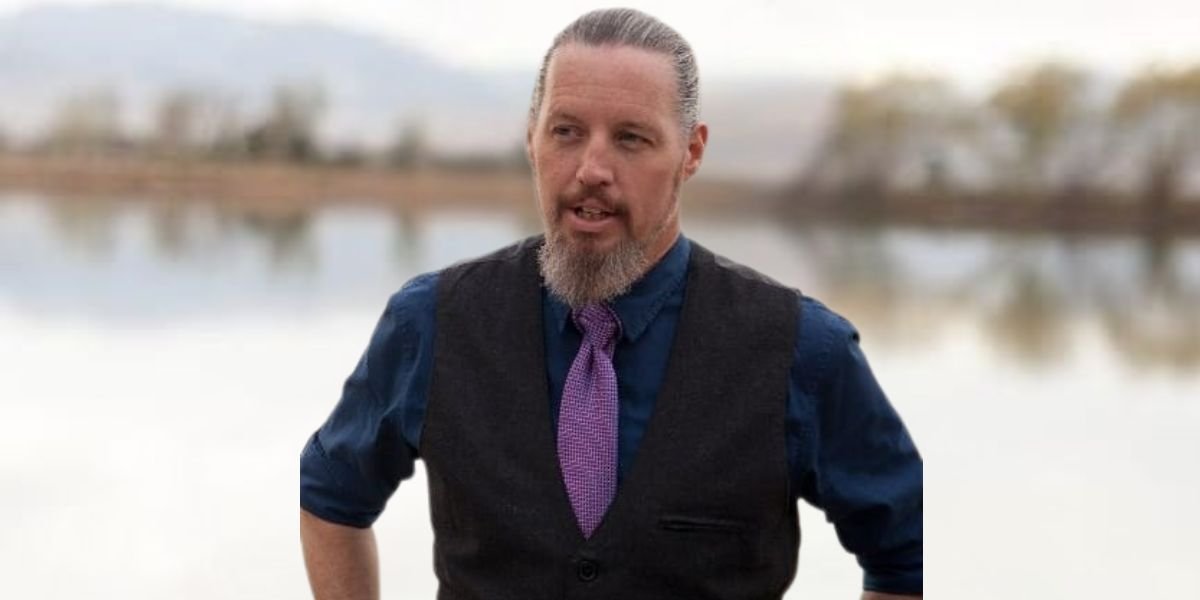
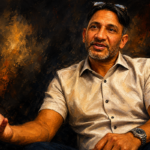
PHOTO: Jon Gray Lang brings cinematic vision and rich storytelling to science fiction, captivating readers with suspense, adventure, and unforgettable characters.
Explore How Jon Gray Lang Blends Action, Horror, And Complex Human Drama In His Saga Of A Space Freighter Series
Jon Gray Lang crafts immersive science fiction filled with action, horror, and moral complexity, exploring human resilience, relationships, and the unknown in richly detailed interstellar worlds.
Jon Gray Lang has mastered the art of blending high-stakes science fiction with intricate character development, creating the gripping Saga of a Space Freighter series. Lang’s storytelling captures the tension of survival, the moral ambiguity of human choices, and the wonder of the unknown, drawing readers into a universe that is as thought-provoking as it is thrilling. Mosaic Digest is proud to feature this interview, highlighting Lang’s visionary approach to speculative fiction and his skill in crafting narratives that resonate deeply with fans of sci-fi and adventure alike.
Jon Gray Lang’s novels are a masterclass in combining action, horror, and science fiction, delivering rich, complex characters and unforgettable worlds. His work invites readers to explore humanity, morality, and the vast possibilities of the future.
Lang’s storytelling captivates with thrilling plots, multidimensional characters, and imaginative worlds that keep readers enthralled from start to finish.
What inspired you to create the Matilda series and its complex characters?
Initially, I had planned for it to be a television show, but it kept getting sidelined by other projects. But the Matilda kept sailing through the recesses of my mind for over a decade and wouldn’t leave me alone.
Few things interest me more than characters whose motivations appear ambiguous at best to the outsider. What personal trials and tribulations have these people faced that shaped their moral compass, forcing them to make decisions that seem questionable? These thoughts on the human ideal versus reality are peppered throughout the story and made the characters more than just concepts to me.
A friend of mine had recently finished writing a novel and told me about her experience. I had always wanted to write a book and that was all the impetus I needed. So, I decided at once to author the Saga of a Space Freighter!
How do you balance action, science fiction, and character development in your writing?
Science fiction is an incredible realm to play in. It can be rife with action, new concepts and even talk of our present world in more palatable ways.
One of the core elements of the story is how an impromptu group comes together and must learn to survive each other and the world around them. Each decision made affects the entire group which can lead to all sorts of tomfoolery, derring-do, lessons in defeat and small victories.
I wanted my characters to be human. At our simplest, we are all the baggage that we bring to others with the desire to be part of something. Poor choices cause conflict, and sometimes good decisions don’t help either. Can we move past our personal traumas to be someone others can trust in, to believe in and eventually become a makeshift family? Sometimes just surviving is the best that we can hope for in the moment, but we have a better chance together.
Can you tell us about your writing process and how you plan your stories?
Writing has been an incredible adventure for me and my process has changed over time. Even with all the original ideas and research I had done, The Matilda was much more a fly by the seat of the pants beginning.
Twistin’ Matilda took that sensation at the beginning but needed more structuring as the story unfolded. I took that planning into Black Matilda and worked from a full outline all the way through.
With Secret Matilda and Waltzing Matilda I switched to more of a bullet list of ideas and scenes that allowed me that seat of the pants feeling while still having a structure to work from. This is my current writing model as of late, but you never know what I might try next!
“Writing has been an incredible adventure for me and my process has changed over time.” – Jon Gray Lang
What role do you think the Consortium plays in the Matilda series and what commentary does it offer on real-world power structures?
The initial idea for the Consortium was of an uncaring government and how it affects the people who live on the fringes of society. As our world went through multiple upheavals and authoritarianism raised its ugly head, it changed to one that oppressed its populace. How would such a government manage the beginnings of a revolution as it was actively destroying its military? What would such a regime do against an invasion from the outside?
Researching this in our history pointed me toward the Chinese National government during World War II. How they managed the Japanese military led to the revolution of the people. The fall of the Russian Czars is another example. These two, coupled with our current world showed me how the Consortium affects everyone and how some would react, both good and bad.
How do you come up with the unique blend of science fiction and horror elements in your series?
I have always been fascinated by the mind-bending ideas behind horror which, at its core, is the unknown. Should we fear it? Should we be accepting? Either answer could be correct. Luckily, the future is unknowable, and space is an unending unknown. The thoughts lurking in the backs of our minds populate those dark places with fears dressed as monsters. But what we see may not be what we think it is… or it could be something worse.
What is the significance of the character Galena and her organism in the Matilda series?
I have always been intrigued by people who others look down on for no other reason than that is the social norm. What if that person has a voice inside their head? What if that voice is another being who seems just as powerless? What is the one thing that both desire and fear losing more than anything? Control.
Losing control of yourself when it’s the only thing you truly have is horrifying. When it’s due to an unknown source that you can’t comprehend, how would you deal with it? Would it be a battle to the end or would you reach an understanding? These are questions I’ve thought about and wanted to give voice to.
How does your experience as a filmmaker and screenwriter influence your approach to novel writing?
I am a visual person. Being a filmmaker fueled my vision for how a story played out as a screenwriter. In a simple scenario, how do two people react to each other in a space that confines what they can do? Perhaps the door is blocked, and they must work together, or one is keeping the other from leaving. What subtle hints would a person show that could explain that without a word being said? A slight curling of the lips could mean anything, while a sudden movement can change the feeling of that moment in an instant. Being able to ‘see’ this has helped me demonstrably as a writer.
What advice would you give to fellow authors who are looking to create their own science fiction series and build a loyal reader base?
The best pieces of advice I can offer come together. Write the story you want to read and don’t give up on it until it’s done. No matter how niche your idea may be, there is someone out there who wants to read it. But how could they find it if it isn’t completed?
Sometimes the hardest part is to get your story started. Once you’ve begun the pieces that you’ve assembled will eventually fall into place, though it may require more finessing than others. Finishing your story can be the hardest thing you’ve ever done, but there is nothing quite like finishing that story, even the weird, messy first draft in your hands. Editing can and will fix that.
“Write the story you want to read and don’t give up on it until it’s done…finishing your story is the hardest but most rewarding part.” – Jon Gray Lang
Once it’s done, it’s just a matter of your audience finding it. It might take a day, it might take years, and your audience could be small, or it could be huge. But if the story isn’t done, no one, including you, will know. So, get that story written!