



K.A. Finn Explores Careers, Diverse Genres, And Compelling Characters Through Award-Winning Sci-Fi And Dark Romances
A Journey Through Sci-Fi, Paranormal Fantasy, And Rock Romance
K.A. Finn discusses her multi-genre writing process, the inspiration behind her award-winning series, why flawed characters resonate deeply, and her advice for authors on navigating self-doubt and storytelling.
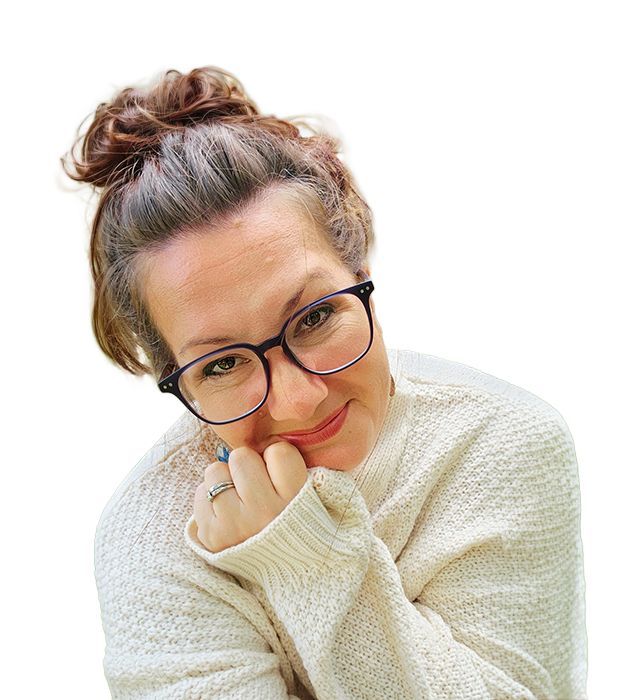
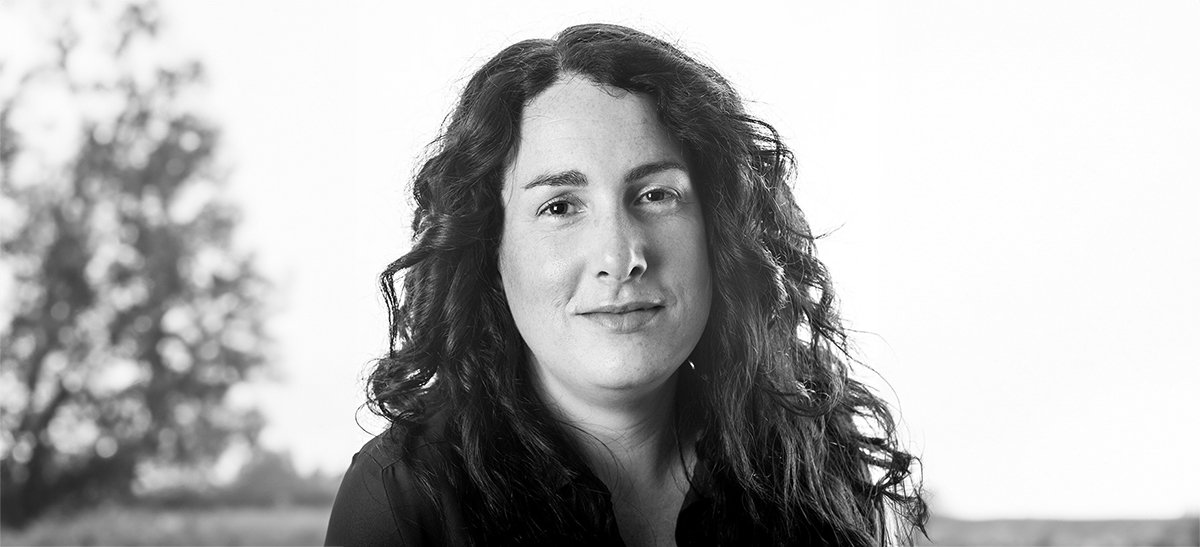
K .A. Finn is an author whose work leaps off the page and lingers in the hearts of her readers. From her award-winning cyborg science fiction Nomad Series to emotionally charged rockstar romances, dark and daring paranormal fantasies, and even reimagined mythic legends, Finn’s books offer an extensive range of worlds and characters that captivate and inspire. Based in Meath, Ireland, she skillfully translates her love for complex, flawed characters into gripping narratives across multiple genres, showcasing a rare talent for blending heart, grit, and imagination.
Her ability to craft compelling stories filled with emotional depth and intricate details has made her a standout in the literary world, and her adaptability across genres is nothing short of remarkable. Whether she’s navigating the dark undercurrents of rockstar life, exploring the ethical dilemmas of cyborg existence, tackling themes of prejudice in vampire societies, or spinning unforgettable new perspectives on legends like Jack Frost and the Boogeyman, Finn’s novels consistently center on characters whose humanity—flaws and all—shines through.
Here at Mosaic Digest, we were thrilled to sit down with K.A. Finn and delve into her creative process, inspirations, and the worlds she has so vividly brought to life. In the interview below, she opens up about her writing journey, how she develops her incredible cast of characters, and the meaningful themes behind her stories. It’s a fascinating look into the mind of an author whose books challenge, enthrall, and inspire readers of all types. So, prepare to dive into her diverse literary universe—you won’t want to leave!
Can you tell us more about how you juggle writing across such diverse genres—from cyborg sci-fi to rockstar romance to paranormal fantasy?
For me, it’s not really about juggling genres—it’s about knowing my characters and their worlds so well that I can slip into each one without hesitation. Each has such a distinct voice and journey that I never mix them up. I keep a spreadsheet for physical details and key facts, but mostly, I just live with these characters in my head until their stories are told.
What inspired the concept of Gryffin and the Nomad series, and how did the idea evolve into its current form?
Gryffin was originally inspired by Star Trek: The Next Generation when I was sixteen. I watched it constantly and began creating my own set of characters to fit into that universe. A few years later, I had so many characters—far too many for the Star Trek fanfiction world—that they needed their own universe. Over the years, Gryffin stayed with me, growing and evolving alongside me, until I finally decided to write his story in 2010. It took me four years to complete the first book, and now there are six in the series, with the first celebrating its 10th anniversary this year. One more book is planned, along with a spin-off series.
The Broken Chords series delves into dark romance and personal demons within a rock band—what draws you to writing flawed characters and emotionally intense relationships?
Flawed characters fascinate me because they’re unpredictable and painfully real. In The Broken Chords series, these rockstars may live in the spotlight, but they’re battling demons most people never see—addiction, abuse, stalkers, coercive control, even kidnapping. I spend a huge amount of time researching these issues to make sure they’re portrayed with honesty and respect. The series is deeply personal—not just because the band comes from the same place I did, but because their struggles feel raw and human. These aren’t easy books to write, but hearing from readers who’ve felt every high, every low, and everything in between right alongside the band makes it worth every moment.
Your Blackjacks series explores vampires defending mixed-race civilians against hierarchy-driven threats—could you explain the thematic significance behind that storyline?
In the Blackjacks world, the hierarchy wants only pure-blood vampires to exist, seeing mixed-bloods—half human, half vampire—as inferior or a threat. The Blackjacks were created to protect those mixed-blood vampires from being targeted or erased. That conflict became the perfect way to explore bigger questions—about prejudice, loyalty, and the courage to stand against injustice. The Blackjacks don’t hate pure-bloods—they oppose only the ones who take their power too far. It’s a story about equality, found family, and fighting for those without the power to fight for themselves.
Twisted Legends brings together figures like Santa, the Boogeyman, and Jack Frost—what challenges and delights have you found in reimagining iconic mythic characters in a fresh, adult fantasy romance context?
Honestly, the biggest challenge at first was believing the idea was worth pursuing—it felt so different from anything I’d done before. But once I let the concept run wild, there was no turning back. I love diving into the mythologies, folklore, and histories behind these iconic figures, then twisting them into something unexpected. The delight is in the endless possibilities—so many familiar characters to reimagine, so many ways to make them fresh, layered, and a little dangerous.
Stone Wolf is a spin-off from Blackjacks featuring wolf shifters—what motivated you to expand that world, and how did you approach the transition to a new perspective?
I have a terrible habit of falling in love with all my characters. When my Irish wolves first appeared in the Blackjacks series, I couldn’t say goodbye—they demanded a series of their own. While the Blackjacks are based in Wales and the wolves in Ireland, each has its own distinct world. The best part is, they can still cross paths whenever I decide to let the worlds collide.
You also work as a freelance proofreader; how does that role influence your own writing process or perspective on storytelling?
Working as a proofreader has sharpened my eye for detail, but it’s also made me appreciate the value of fresh eyes on a manuscript. No matter how skilled you are, it’s almost impossible to proofread your own work—you know what you meant to write, so your brain fills in the gaps. Proofreading for others helps me spot patterns, common mistakes, and subtle rhythm issues in text, all of which feed back into my own writing. But when it comes to my own books, I still bring in another proofreader—because every story deserves that extra layer of care.
What key piece of advice would you offer to aspiring authors navigating multiple series, genres, and publishing paths?
Don’t let fear or other people’s opinions hold your stories hostage—write them the way you want to write them. I talked myself out of so many ideas and deleted entire scenes because I was afraid of how they’d be received. That self-doubt meant my first book took four years to finish. Now I push past it, because every book will have moments that make you question yourself—but they’re worth writing anyway. And on a practical note: keep a spreadsheet for your details. Future you will thank you.