





K.M. Weiland Shares Her Journey of Writing, Teaching, and Inspiring Wordplayers Around the World
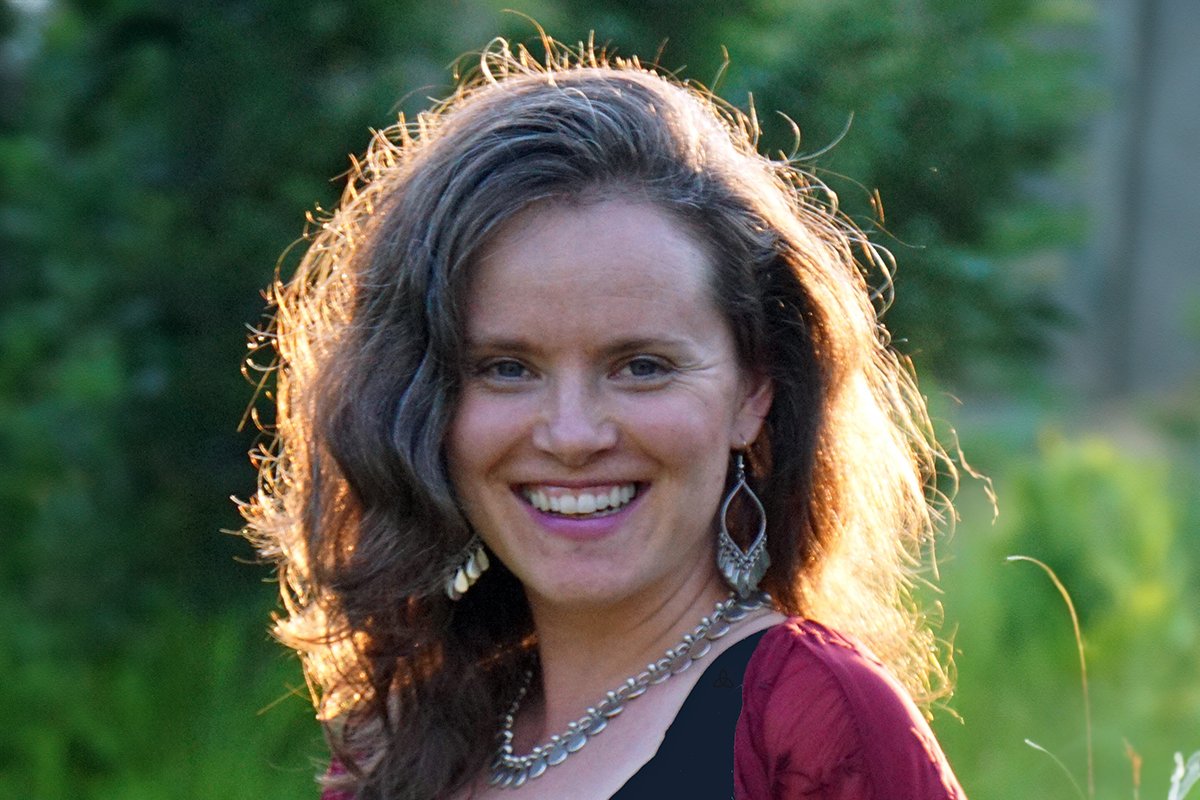
Mastering Storytelling Through Structure, Creativity, and Passion
K.M. Weiland discusses her writing journey, teaching philosophy, and crafting resources that empower authors to find clarity, structure, and creativity in storytelling while fostering a global community of Wordplayers.
K .M. Weiland stands as a luminous figure in the literary world, celebrated for her ability to fuse the art and science of storytelling into unparalleled guides that have transformed the journeys of countless writers across the globe. Her books, Structuring Your Novel, Creating Character Arcs, and Writing Archetypal Character Arcs, are not just instructional masterpieces—they’re lifelines for dreamers and storytellers navigating the complex terrains of fiction. As a historical and speculative fiction author, K.M. Weiland doesn’t merely theorize—she leads by example, crafting worlds and characters that resonate deeply with her readers while pioneering techniques that serve as invaluable tools for aspiring writers, whether novelists or screenwriters.
In this exclusive interview featured in Mosaic Digest magazine, we delve into the mind of an extraordinary mentor who has not only dedicated herself to perfecting her craft but also to empowering others through her award-winning blog Helping Writers Become Authors. From exploring the essence of worldbuilding and thematic depth to dissecting the interplay between story theory and creative spontaneity, K.M. generously shares insights into the heart of writing. Her commitment to fostering a community, adapting to the needs of her “Wordplayers,” and bridging the gap between structure and creativity is nothing short of inspiring. This conversation is a celebration of her brilliance as an author, educator, and advocate for the deeper truths within storytelling.
Mosaic Digest is honored to present this intimate discussion with K.M. Weiland, a guiding light for writers worldwide. Let her wisdom and passion ignite your creativity as you explore her perspectives, learn from her experiences, and discover the transformative power of her storytelling philosophy.
What inspired you to create Helping Writers Become Authors, and how did the blog evolve into its current form?
When I launched Helping Writers Become Authors back in 2007, it was really just me sorting through my own questions about storytelling. I wanted to make sense of what I was learning and share it with anyone else who might be struggling. Over the years, it grew into a staggeringly large resource hub—weekly posts (at least), a podcast, and a library of tools. I’ve always felt what I share through my work is less about me saying “here’s the answer” and more about bringing people along on the journey as I’ve dug deeper into story theory and applied it to my own fiction and my own life.
With over 1,400 blog posts and hundreds of podcast episodes, how do you maintain quality and consistency across such a prolific output?
Honestly, I think it comes down to rhythm and curiosity. Posting every week for nearly two decades has created its own discipline. But the real key is that I’m still fascinated by story theory. Every article grows out of a question I’ve personally wrestled with in my writing (or my life, because the two are so interchangeable), so the content never feels old to me. I also always ask myself, “Will this give writers something practical they can use today?” If the answer’s yes, it goes up. I think it’s this combination of habit, passion, and usefulness that has kept the quality high and the consistency doable for so long.
Your guides such as Outlining Your Novel, Structuring Your Novel and Creating Character Arcs have become foundational for many writers—what led you to focus on these specific aspects of craft?
Those were the areas where I struggled most when I was starting out. I could write scenes and prose, but shaping them into a cohesive story sometimes felt elusive. Discovering outlining, structure, and character arcs were all transformational moments for me. They unlocked the process. Once I saw how much clarity they brought, I wanted to share that with others. Those books tackle the architecture of storytelling, which, once you get it, makes the creative side infinitely more fun and less frustrating.
How does your fiction writing—particularly in historical and fantasy genres—influence your approach to teaching novelists and screenwriters?
My fiction is where I test everything I teach. Historical and fantasy stories demand huge amounts of worldbuilding, pacing, and thematic depth, so it’s easy to get lost in the weeds. Writing those books keeps me honest. I don’t just talk theory in the abstract; I know what it feels like to wrestle through a 200,000-word manuscript that doesn’t want to behave. Teaching, for me, is never about “do it this way.” It’s about saying, “Here’s what I tried, here’s what feels true, here’s what didn’t—maybe it can help you too.”
Your site emphasises mastering story theory before artistic expression—how do you balance technical foundation with creative spontaneity?
I like to think of story theory as scaffolding. It’s there to support creativity, not cage it. My process always swings between two modes: dreamzoning, where I shut off the logical brain and let the imagination run wild—and plotting, where I apply structure and craft tools to make sense of what I’ve dreamed up. The interplay is what makes stories work. The theory keeps me from wandering off into chaos, but the spontaneity is where the magic lives. You need both—the roadmap and the sense of adventure.
How has your audience—your “Wordplayers” community—influenced content decisions or upcoming topics on your platforms?
Hugely. The Wordplayers who read my site have shaped it as much as I have. Their questions show me what’s really tripping writers up, and often those questions spark entire series of posts. Over time, I’ve tackled topics—like archetypal character arcs or advanced structure—that I might never have dug into if readers hadn’t shown such interest. I think of it as a conversation: I bring the theory, they bring the lived struggles, and together we figure it out. That back-and-forth keeps the site alive and responsive instead of static.
What do you see as the most common structural or narrative pitfalls that emerging novelists encounter, and how can they avoid them?
The biggest one is diving in without any sense of structure. Writers often start strong but stall out in the middle because they don’t know where the story’s heading. The second is treating theme like an afterthought, when really it should be baked into the DNA of the story from the start. The fix isn’t about rigid outlining. It’s about awareness. Learn the beats of story, understand how character arcs drive plot, and identify your thematic question early. That clarity gives your imagination the freedom to play without derailing.
Finally, what advice would you offer to other authors who wish to develop a blog, podcast or resource-based platform that both supports fellow writers and grows into a sustainable creative endeavour?
Start with service. If your platform is built on a genuine desire to help, it’ll resonate. Consistency is the next piece. Pick a format and schedule you can stick with for years, not months. Share authentically; your unique voice is what makes people connect. And think about sustainability from the start: how does your free content lead to books, courses, or products that allow you to keep going? The goal is that sweet spot where your platform supports others and supports you, so you can keep showing up long-term.