








Kyoto Rewards the Traveller Who Slows Down
 Willian Justen de Vasconcellos
Kyoto’s architecture, gardens and cultural connections reward a slower visit, inviting travellers to look beyond familiar photographs, understand historic spaces and respect the people whose daily lives continue around them.
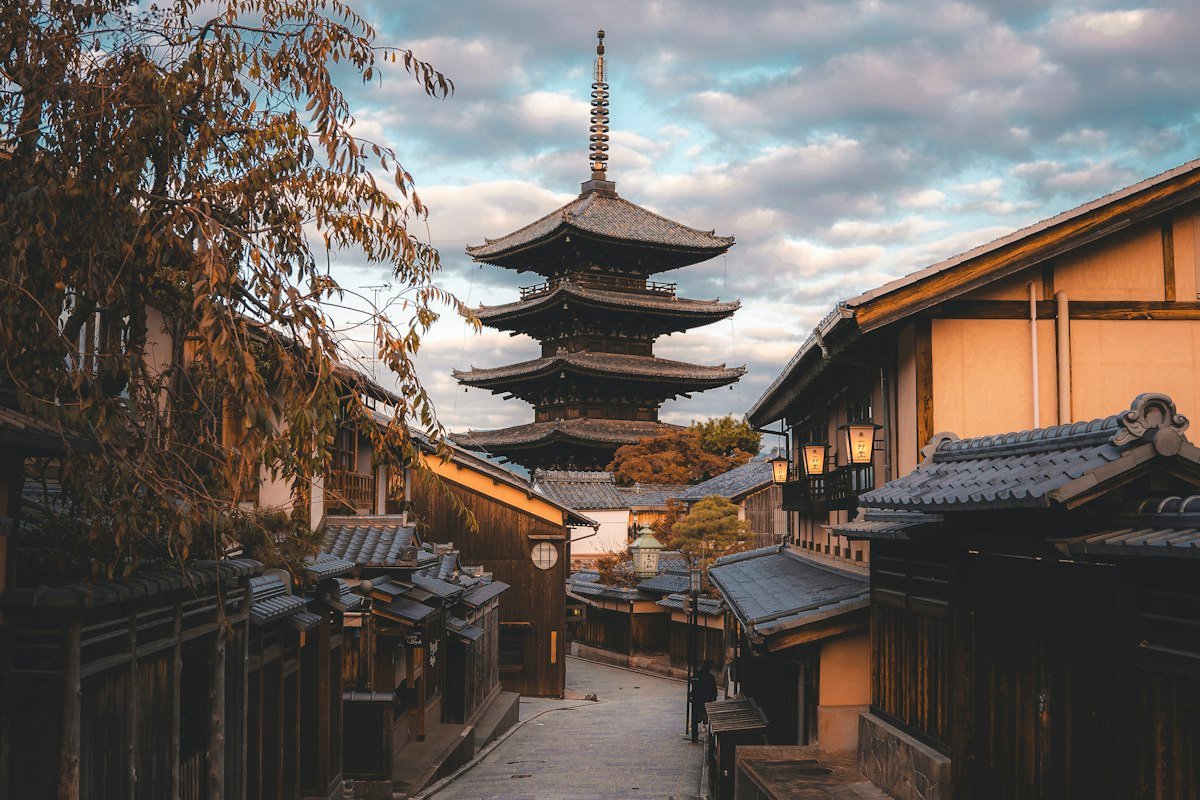
Kyoto is often approached as a collection of photographs waiting to happen. A pagoda above a narrow street, a garden framed by timber, a roofline against wooded hills: each can seem familiar before the journey begins. The more rewarding visit starts when those expected images cease to dictate the day.
A heritage extending beyond one neighbourhood
Japan’s imperial capital from 794 until the nineteenth century, Kyoto developed a tradition of wooden architecture and garden design whose influence travelled far beyond the country. UNESCO’s heritage property brings together seventeen components across Kyoto, Uji and Otsu. That geographical spread is a useful reminder that the city’s cultural history cannot be reduced to a single neighbourhood.
Choose one area for a morning and give it room. Look at the relationship between a building and its approach, the change from street noise to a courtyard, or the way a garden directs attention towards a particular view. Moving more slowly also makes a practical difference: it leaves time to read interpretation and understand what is being seen.
Respecting the living city
There is another reason to resist the rush. Kyoto’s historic streets belong to people who live and work there. Doorways, private lanes and religious spaces require the same consideration as their equivalents at home. A scene does not become public property because it is beautiful.
For visitors interested in cultural exchange, Kyoto offers a particularly clear starting point. Its early planning drew on Chinese models, while its gardens later helped shape tastes elsewhere. What looks intensely local is also part of a much wider conversation. Spend less time collecting famous views and more time considering those connections, and the city becomes considerably larger.
Further reading: UNESCO World Heritage Centre.