







Porto Seen From the River Up
 Nick Karvounis
Porto’s riverside, steep streets and bridges reveal a city shaped by the Douro, rewarding visitors who change perspective, explore at a comfortable pace and connect landmarks with everyday urban life.
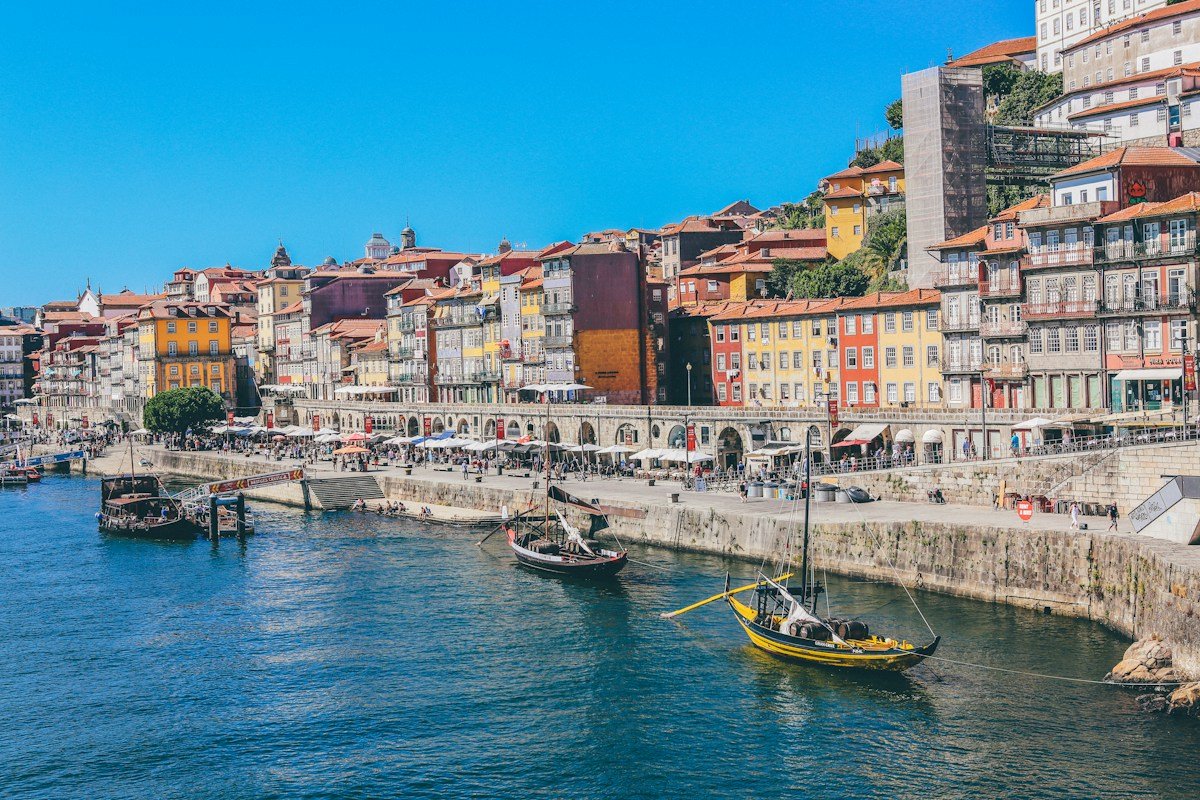
Porto is a city to read vertically. From the river, buildings climb the hillside in layers; from above, the Douro gives the dense urban scene a line of movement. Changing height changes the story, which is why a visit confined to one waterfront viewpoint can feel incomplete.
A landscape connected by water
UNESCO’s heritage property combines Porto’s historic centre with the Luiz I Bridge and the Monastery of Serra do Pilar. That grouping makes a useful point: the city’s importance lies in relationships across a landscape, rather than in a single exceptional building.
Begin near the water, where the compactness of the riverside is easiest to grasp. Then work uphill at a comfortable pace, allowing the street pattern and changing perspective to do some of the explaining. Looking back often is a better strategy than racing towards a predetermined viewpoint. The same stretch of river can appear intimate or expansive within a short distance.
Making room for the living city
Porto also rewards a distinction between enjoying an atmosphere and consuming a neighbourhood. The riverside is part of a functioning city, with homes and businesses alongside visitor attractions. Choose places because they offer something specific, whether a useful conversation, a thoughtful meal or careful craftsmanship, rather than because every stop must become an image.
For a short break, leave at least one period unallocated. Revisit a street, cross the river when conditions suit and consider how the bridges link different parts of the urban landscape. The result can be a more coherent understanding of Porto than a list of disconnected highlights. Its strongest impression comes from the way human activity has adapted to steep ground and flowing water.
Further reading: UNESCO World Heritage Centre.