







Mostar and the Meaning of a Crossing
 Turhan Can Kargin
Mostar’s rebuilt Stari Most invites visitors to look beyond its striking arch, exploring the city’s layered history, cultural connections and everyday life with curiosity, care and respect for individual experiences.
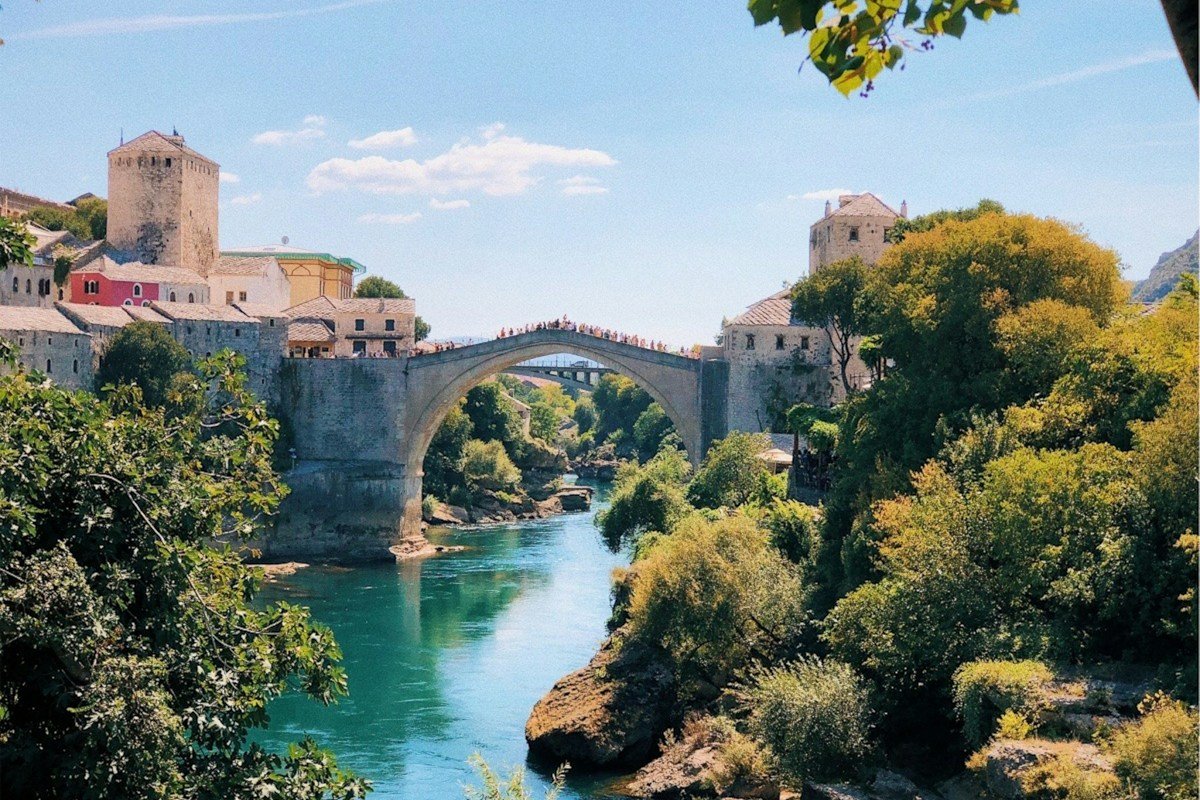
A bridge can dominate the imagination of a city. In Mostar, Stari Most draws the eye with a single stone arch above the Neretva, but its significance cannot be explained by its shape alone. It belongs to a history of connection, destruction and rebuilding.
A history of connection and rebuilding
The original sixteenth-century bridge was destroyed during the conflict of the 1990s. Its reconstruction, supported by an international effort, forms a central part of the heritage recognised by UNESCO. The surrounding old town also reflects the meeting of different architectural and cultural traditions.
For a visitor, the first task is to allow both beauty and complexity into the same frame. Admire the engineering, then seek the historical context. A good local guide or a carefully read exhibition can prevent an evocative view from becoming a substitute for understanding. Reconstruction is not the erasure of loss; it is one response to it.
Exploring the city with care
Walk beyond the most familiar approach to the bridge. Consider the river from different points, explore the relationship between the crossing and neighbouring streets, and leave time for ordinary stops. A coffee or a conversation should not be asked to symbolise an entire country, but it can bring the scale of a visit back to individual lives.
Mostar suits travel that is curious without being intrusive. Questions about conflict need sensitivity, and no resident owes a stranger a personal history. Listen when an account is offered and avoid imposing a simple story of recovery. The bridge is an extraordinary place to begin. The more meaningful journey continues into the city around it.
Further reading: UNESCO World Heritage Centre.