





Writing What Keeps Her Awake – Lisa Compton’s Journey
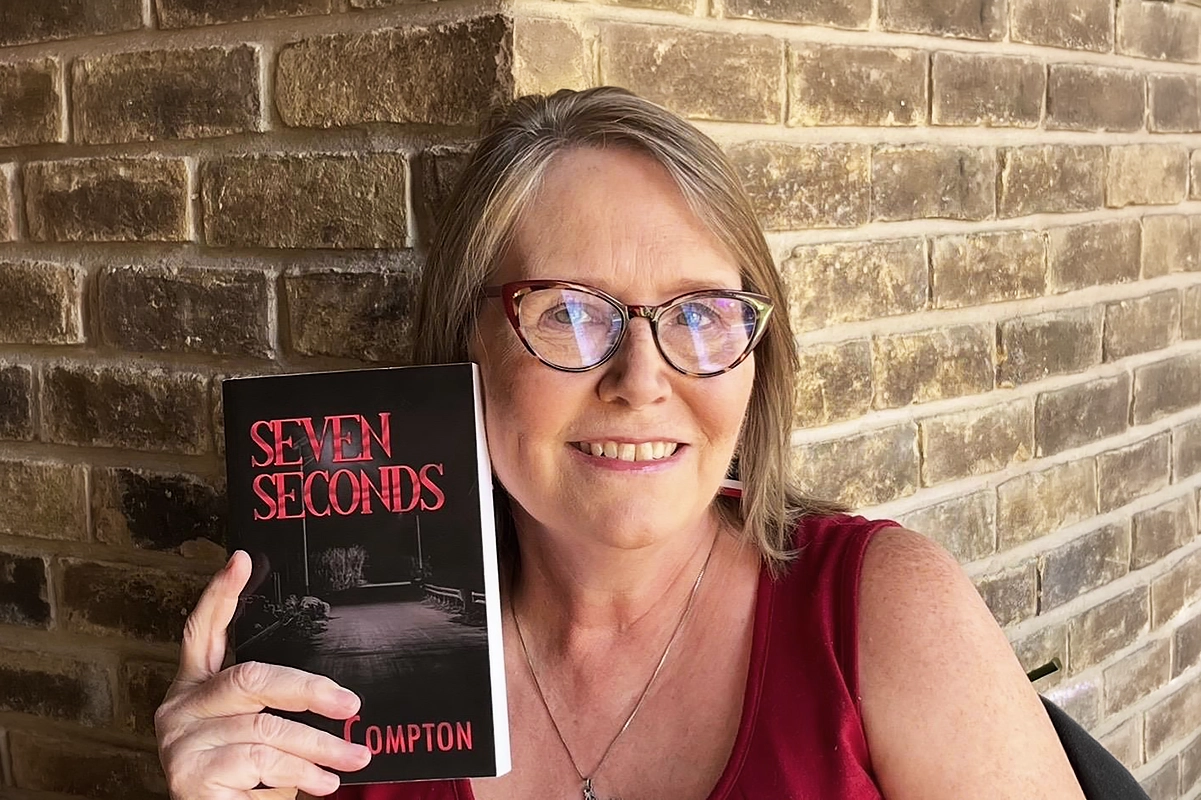
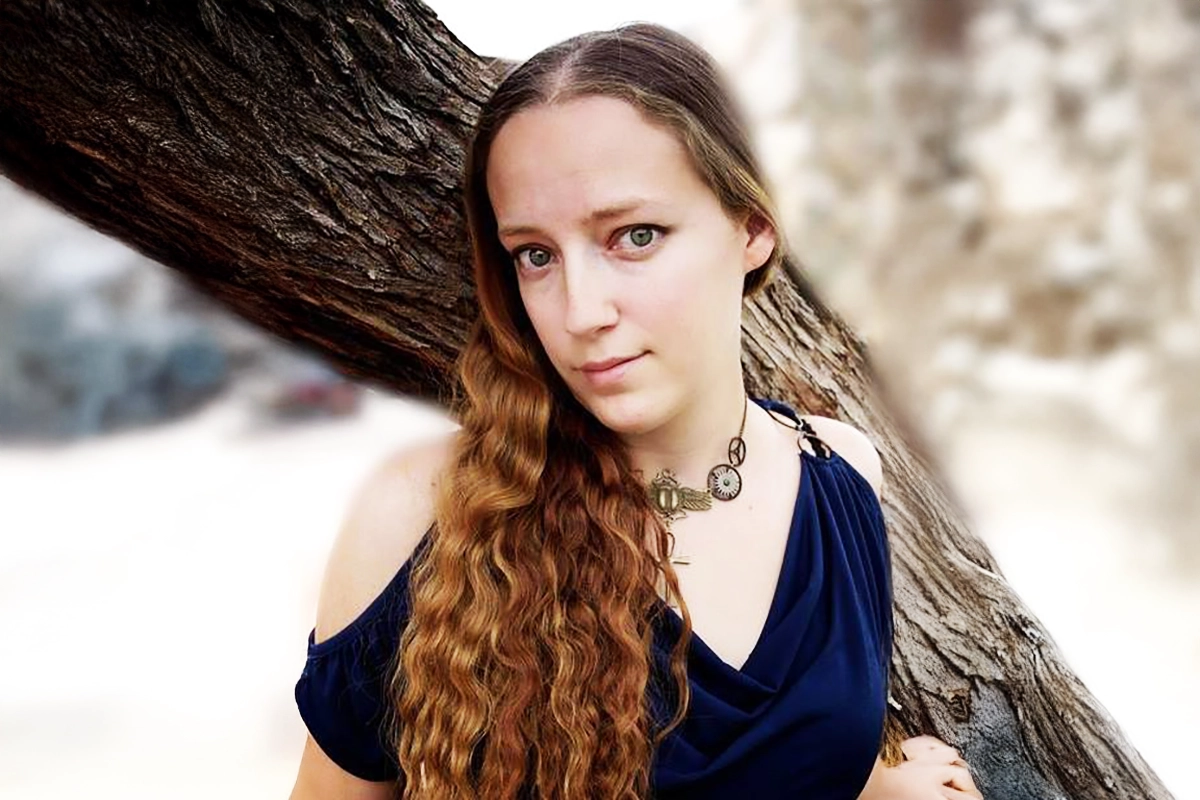
Lisa Compton – A gifted author who transforms life’s complexities into captivating stories, sharing her wisdom, wit, and unwavering passion.
Unveiling Stories That Touch The Human Soul
Lisa Compton reflects on her writing journey from healthcare to novels, revealing the inspirations behind her captivating stories and the challenging themes that keep her readers mesmerised and yearning for more.
L isa Compton commands a distinctive and compelling voice in contemporary paranormal crime fiction, blending professional expertise with a storyteller’s instinct for suspense. From the moment her fourth-grade teacher read her work aloud to the class, she understood the power of narrative. That early encouragement has since matured into a remarkable literary career defined by psychological depth, forensic authenticity and an unflinching exploration of the supernatural. At Mosaic Digest magazine, we are delighted to present an author whose novels both unsettle and illuminate.
Influenced in her early years by series such as Trixie Belden and Nancy Drew, before progressing to the master of suspense Stephen King, Compton developed a taste for mysteries edged with danger. That influence is evident in the Olivia Osborne series, where the tension of criminal investigation meets the intrigue of the unexplained. Set against the evocative and historically layered backdrop of San Antonio, the novels capture a city rich in culture, diversity and whispered ghost stories — the perfect stage for Compton’s imaginative vision.
What distinguishes her work is its firm grounding in lived experience. With more than two decades in healthcare and close personal connections to law enforcement, Compton writes with authority and assurance. Her understanding of forensic psychology, documentation, and the complexities of human behaviour lends credibility to narratives that might otherwise drift into fantasy. Instead, she achieves a careful balance: the rational and the paranormal exist side by side, each strengthening the other.
Olivia Osborne emerges as one of the most engaging protagonists in modern genre fiction — a woman navigating duty, doubt and extraordinary ability. Across titles including Seven Seconds, Fruit of the Poison Tree and Raising the Dead, readers witness not merely thrilling investigations but a profound personal evolution. Questions of good and evil, fate and choice, burden and gift are handled with nuance and moral complexity.
Lisa Compton’s fiction reminds us that suspense is most powerful when it is rooted in character. Her villains are disturbingly human; her heroes are imperfect yet courageous. It is this emotional intelligence, combined with cinematic pacing and meticulous research, that ensures her stories linger long after the final page.
Mosaic Digest magazine is proud to feature this insightful interview with an author whose work continues to challenge, captivate and haunt her readers in equal measure.
Lisa Compton is an extraordinary author whose vivid imagination and authentic prose unravel fascinating, emotional, and thought-provoking narratives.
What inspired you to create Olivia Osborne and shape her as the protagonist of your series?
My characters are my alter egos, the type of strong women that I wished I could be. I also write what I know. I have been a nurse for a very long time, and I come from a family in law enforcement so those were the building blocks for Olivia. As a nurse, I now audit charts for teaching physicians to improve their documentation. Through this extensive auditing, I found charts of patients with dementia incredibly interesting in the patient symptoms and experiences. The Seven Second Theory is a real theory. It’s findings are used as a foundation through-out this series and led to the title of the first book Seven Seconds. Ultimately, as someone who has always been fascinated by the Salem Witch Trials I chose Osborne as Olivia’s last name so I could link her with a real person at the trials. As you can see, it was a random set of events that led me somewhere I never knew I was going.
How do you balance the paranormal and crime elements in your novels to keep readers engaged?
Since I was writing about the paranormal I wanted to have an anchor in the real world to foster believability. I like having a touch of realism with a dash of what if? I liken this method and desire to my avid X-File watching decades ago. I liked the character dichotomy between science and the unexplained. As with anything else, you need a strong foundation on which to build.
“I’ve always believed that we find meaning in the darkest moments,
and I aim to reflect that in my work.” – Lisa Compton
Can you tell us about the research process for the forensic psychology aspects of your books?
Creating a character with both a law enforcement and medical background, I used my personal experience as a nurse. For the law enforcement concept, I am fortunate enough to have personal contacts for accessibility to procedural concepts. I also have an extensive library about magic, the use of herbalism in everyday life, and religious beliefs around the world.
What draws you to explore themes of good and evil, and how do you approach such profound topics in your writing?
Humans have debated good vs evil since creation. There is no right answer. I believe all people, given the right circumstances, could be either a saint or a sinner. I like placing characters in situations where they are forced to make a choice where there is no good answer. As with Olivia, I like to watch the characters evolve and respond to not only the consequences of their actions, but the events that shaped them to make that conclusion. There are two separate characters in this series (other than Olivia) who on first introduction are believed to be one way only to end up another. With each of them the reader will witness why these characters made the choices they did and what it cost them to do it.
“I knew I wanted to be a writer when my fourth-grade story found its way to the front of the classroom.” – Lisa Compton
What role does San Antonio play in shaping the atmosphere and narrative of the series?
While I was not born in San Antonio, I have lived here for over two decades and have come to love the city as my own. It is a very diverse city and very historical making it ripe for ghost stories. There are plenty of hauntings here and I like bringing pieces of those stories and/or cultures into the narrative when I can. While I can’t use real names, I like to write city locations in such a way that someone who has lived here will know exactly what I’m talking about. It’s my own little easter egg within the story.
How do you create a compelling blend of suspense and horror throughout your books?
I believe in “show – don’t tell” advice. I see scenes in my head, like watching a movie. My goal is to take baby steps towards the monster in the corner, all while the character is telling themselves it’s not a monster…..
“At the core of all my stories lies a question: how do we overcome what keeps us awake at night?” – Lisa Compton
How has Olivia Osborne evolved as a character over the course of the series?
The series begins with Olivia working for the FBI. While that was her goal she has come to the realization, that the psychic abilities that she once considered a curse, really are a gift. Growing up, her Gran never wanted or encouraged her to explore her abilities or even acknowledge them because their source was questionable. That was a burden that Olivia shouldered. In the second book (Fruit of the Poison Tree) Olivia learns to embrace her “gifts”. While there is a dark seduction about the power she has, the result is that she saves a life. From then on she no longer believes she’s cursed. In her eyes life is the greatest gift of all. In the fourth book (Raising the Dead) a pivotal character to Olivia’s evolution is introduced. Just as she is embracing her abilities, she learns she is not the only one who is gifted. It is this knowledge that will propel her from this book forward, despite the enormous costs she will incur with this choice.
What, in your opinion, makes a compelling “villain” in a paranormal crime story?
Writing villains is as exciting to me as watching them in real life or the movies. To me villains are the most fascinating characters to write, because they don’t think or know they are evil and they can rationally explain the atrocities that they create. For me, it is the exploration of those choices that makes exciting and memorable characters.
What writing tips would you offer to aspiring authors who are starting out in paranormal or crime genres?
I hate to say it, but read a lot. As with me, it doesn’t feel like boring research because it is an interest I already had. I also subscribe, whole heartedly, to the “write what you know” rule. While I’ve never been or ever will be an FBI agent or a doctor, I had enough of a foundation to find my way. As a writer we all ask readers to suspend their world to enter another one. Any foundation or anchor I can give them into real life – I think is a bonus and will allow them to fully submerge themselves into the world where my characters live.
What advice would you give to aspiring authors trying to develop complex characters and rich storylines?
Read, read, read the genre that you want to write so you understand what is the theme and what is at stake for your character. What kind of world do they live in? What drives them? What is their ultimate goal? My first step toward a new character or new story always begins with an ending. My story develops around what steps they have to take to get to the end.
What strategies do you recommend for overcoming writer’s block or staying motivated during the writing process?
This is hard. Writer’s block is real. We all experience it. What I have found over time is that you don’t always have to be writing. Some days, I’m reading. Some days I’m staring at the wall and seeing movies inside my head. Some days, I’m researching. Like any writer, I have multiple works in progress (WIP) s. Sometimes the best way to get me unstuck in one story is by working on another. What I have learned since becoming published and having real deadlines and expectations whether from my publisher or myself, is that I have to sit in my chair, in front of my computer every day. Some days are productive, some are not, but after doing this for decades now, I know that eventually the words will come. When I started writing, many decades ago, I did it by hand before transcribing it to the computer screen. I still keep notebooks all over my house so if a thought strikes me I have somewhere to write it. Sometimes, that thought has no place in my current story, but I scribble it down anyway. You never know. When I started writing Olivia Osborne, I never envisioned a series.
How do you handle reviews or critical feedback, and what advice would you give other writers about managing criticism constructively?
Criticism is hard. No matter who you are or how many books you have written. As difficult as it may seem, it is not personal. It is not a reflection on you as a writer and or as a person. I’m a picky reader, and have been reading certain authors for decades. There were times, I stopped reading that author because they went through a slew of books I didn’t like. But that did not stop me from appreciating their other work. I know all of these things are easy to say, but trust me, just like everything else, time helps. The more you do it, the better you get with criticism as well as accolades. I understand that what I write is not for everyone and that is no reflection on me. I also believe, that every criticism is a learning opportunity, but that realization only came with time and experience. There is no substitute. Put in the work and you will get where you want to go.
Editor’s Note
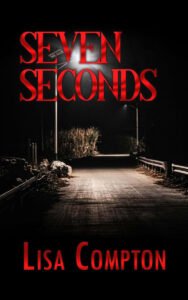
Seven Seconds by Lisa Compton is a tense and atmospheric crime thriller that grips from the first page. Olivia Osborne is a compelling heroine, torn between past trauma and present danger. The story blends emotional depth with chilling suspense, creating a dark, engaging read. A promising start to a series that crime fans will appreciate.