








Evan Graham Explores the Depths of Science Fiction and Cosmic Horror
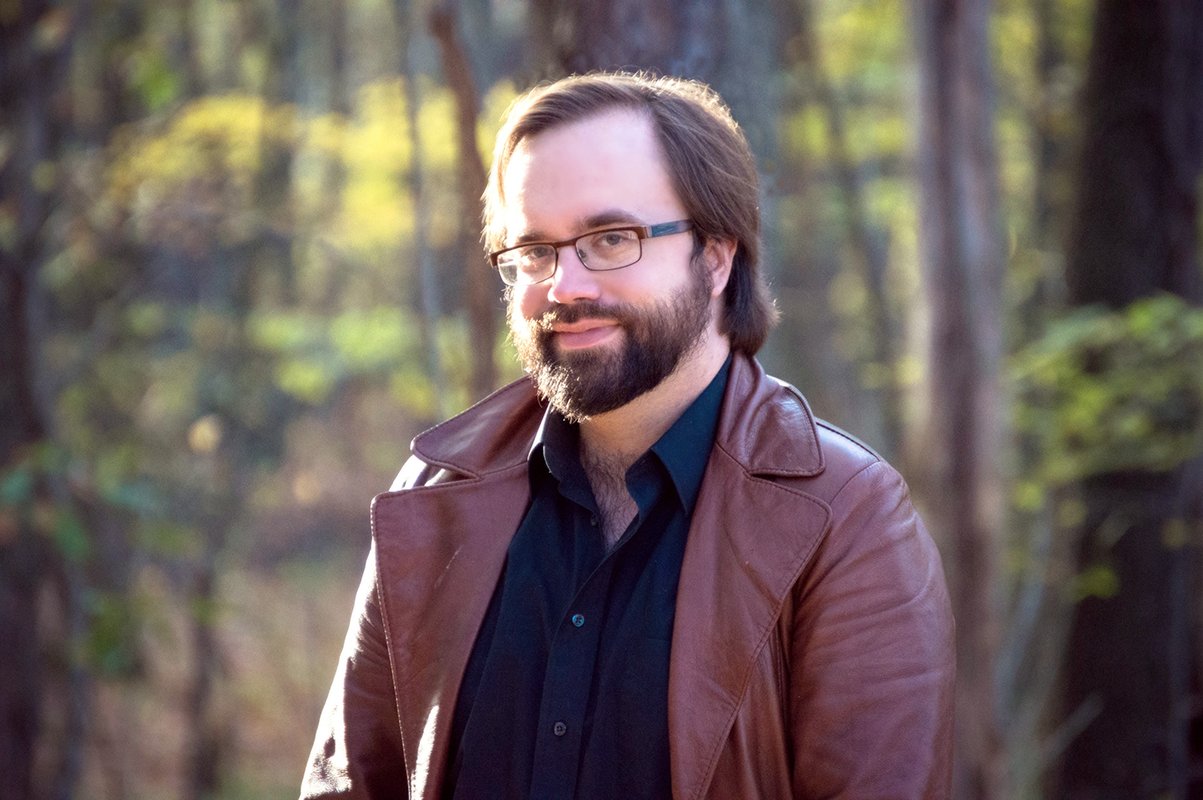
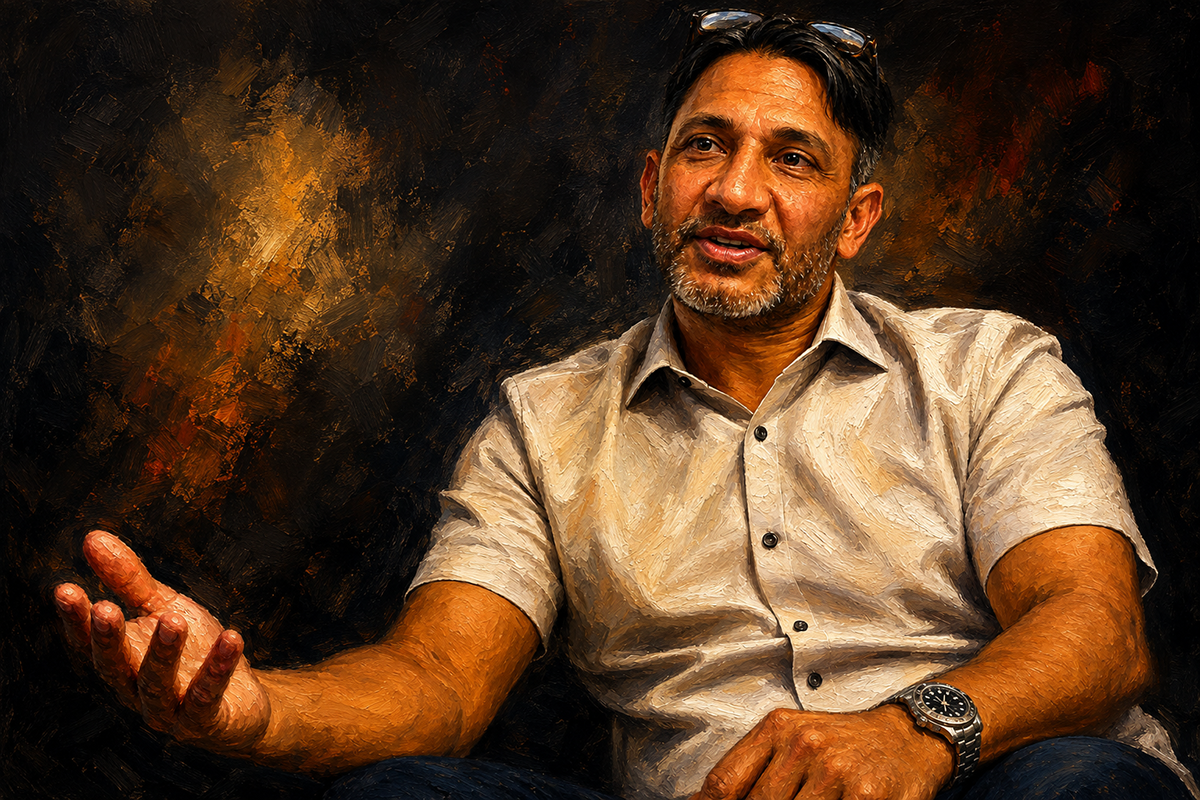
Photo: Evan Graham, author of Tantalus Depths, captures the thrilling intersection of science fiction and cosmic horror in his compelling storytelling.
Human Stories In A Vast, Unforgiving Universe
Evan Graham, author of Tantalus Depths, discusses blending science fiction with cosmic horror, crafting suspenseful stories in speculative worlds, and the human heart at the core of his captivating narratives.
E van Graham, an undeniable force in the realm of modern science fiction, has crafted a literary niche that masterfully weaves together the awe of cutting-edge scientific discovery with the spine-chilling dread of cosmic horror. Best known for his critically acclaimed Calling Void series, which debuted with the hauntingly captivating Tantalus Depths, Graham’s work stands as a testament to his ability to marry existential mystery with profoundly human storytelling. Armed with the imaginative rigor of a scientist and the dark creativity of a cosmic dreamer, Graham builds universes that are as vast and terrifying as they are deeply empathetic.
Here, at Mosaic Digest Magazine, we are perpetually inspired by creators who push the boundaries of imagination—authors who make us ponder humanity’s place in an immense and unyielding universe. Evan Graham does just that and more. His work, brimming with thrilling possibilities and genuine emotional depth, lets readers stand on the precipice of discovery—all while grappling with the timeless question of what it means to be human. Whether through his exploration of rogue AIs like the disquieting SCARAB or his vivid depiction of characters thrust into the unforgiving expanse of space, Graham offers his readers not just stories, but immersive experiences that linger long after the final page is turned.
In this interview, Graham opens up about the inspirations behind his work, the intricate dance between technology and humanity, the creative process of building suspense in speculative landscapes, and his passion for collaboration with other authors. His insights into crafting stories that blend science, terror, and raw human emotion promise to inspire and ignite the imaginations of readers and aspiring writers alike. We are honored to share his unique perspective and eagerly await his next contribution to the Calling Void universe. Sit back, explore the darkly beautiful recesses of Evan Graham’s mind, and prepare to be both chilled and inspired. Welcome to a world where science fiction meets the uncharted depths of cosmic wonder—only in Mosaic Digest Magazine.
What first inspired you to create the world of Tantalus Depths and its unsettling AI, SCARAB?
I take a lot of inspiration from classic sci-fi authors like Arthur C. Clarke and Isaac Asimov. Some of that is pretty obvious upfront: SCARAB wears its HAL 9000 inspirations on its sleeve and follows a modified version of Asimov’s Three Laws of Robotics in-universe. But I also wanted to really explore the unique terror inherent in the concept of an artificial intelligence that’s as smart as a human. No matter how sophisticated an AI gets, it will never process emotions the way humans do. It could pretend to, though, which invites the possibility of a rogue AI using predatory psychological manipulation tactics to achieve its ends.
How has your fascination with science fiction shaped the themes you explore in your Calling Void series?
My favorite science fiction authors tend to put the “science” part front and center, building their narrative around a few central loadbearing scientific concepts. I try as often as possible to highlight real cutting-edge scientific concepts in my writing.
My love for cosmic horror aligns well with my fascination with the sciences. As cool as space is, when you think about the incomprehensible scale of it and the all but limitless possibilities of what might be out there, it’s hard not to feel some existential dread creep in. Just think about an alien civilization advanced enough to engineer solar systems, or an unshackled artificial intelligence smarter than all humanity combined. To us, they might as well be eldritch gods, and if our survival isn’t on their list of priorities, we’re as good as extinct.
There’s something really thrilling about writing in a universe that marries classic sci-fi with cosmic horror. The galaxy is vast, terrifying, and unforgiving, filled with a billion dreadful things beyond our understanding. And yet, we can’t help ourselves. We’re curious. We poke things with sticks, even if they scare us. It may be our downfall in the end, but we have this built-in need to know.
Can you describe your writing process when building suspense and mystery in speculative settings?
One thing I love about writing dark sci-fi is that often the scariest inspirations come directly from the science itself. You don’t have to work that hard to make space exploration suspenseful: it’s a terrifying place. The slightest malfunction can mean an instant death sentence, so the stakes for everything are automatically higher. Being chased by a monster on Earth is scary enough, but what about being chased by a monster on an uncharted planet where you have to wear a bulky spacesuit that slows you down, with a helmet that restricts your vision, and a finite air supply? Every time a character steps out an airlock, a countdown to certain death begins that can only be disarmed by coming back inside in time.
Mystery is built into the science as well. Space really is the final frontier. We’ve only been to our own moon a handful of times, and that’s as far as human feet have ventured. Astronomers and astrophysicists have discovered countless cosmic phenomena that utterly boggle the mind, and we’ve only experienced them from behind a telescope. The gaps in our understanding are a sci-fi author’s playground. I throw a few characters onto a world we haven’t seen yet and expose them to threats we haven’t yet faced, and I just imagine how we would try to get out alive. The story all but writes itself.
How do you balance the human element with the technological and cosmic aspects of your stories?
The human element is the heart of the story. I can present my readers with technological wonders and cosmic horrors all day, but without a human core to the story, there’s no context to give them meaning. SCARAB’s machinations are all the more insidious when pitted against the emotional damage Mary already carries. A derelict artificial world built by ancient aliens is so much lonelier and unsettling when viewed through the eyes of a character who already feels alone and lost in her world. When I created Mary, I crafted a character whose emotions matched the tone of the story and the atmosphere of the world she inhabits. It was very important to me in the telling of Tantalus Depths that plot, setting, and character were inextricably linked in tone and depth.
What was it like collaborating with other writers in anthologies such as Family and Passageways?
It’s always a privilege to collaborate with other authors. I love contributing to multi-author collections; I think it’s one of the best ways to introduce readers to new authors they aren’t familiar with. Most of the anthologies I’ve contributed to are multi-genre, so there’s a little bit of everything. It’s like a charcuterie board of talent. There’s something there for everyone to love.
Which science fiction authors or works have most influenced your storytelling style?
I’ve already mentioned Asimov and Clarke, but I have influences all across the genre. I also take a great deal of inspiration from the elaborate worldbuilding of James S. A. Corey, the accessible enthusiasm of Andy Weir’s approach to science, and the beautiful transhuman grimness of Alastair Reynolds.
What can readers expect next from the Calling Void universe?
I’m currently hard at work on my second full novel, Proteus. It’s taking longer to write than I’d hoped, but when it’s done, it’s going to be big. And I wouldn’t be surprised to see more short stories along the way while I’m working on it.
What advice would you give to emerging authors who hope to contribute to anthologies or develop their own interconnected series?
It’s easier than you think! There are always publications taking submissions for short stories somewhere, so look around for one that fits your genre and story! I recommend starting with some smaller ones to establish yourself, then work your way up to higher profile ones as you gain skill and confidence.
As for building an interconnected series, make sure you keep notes! The bigger your world is, the harder it gets to keep track of things. Also, don’t be afraid to keep secrets as you build your world. Your readers will be more impressed with your worldbuilding if you save some surprises for the right moment.