











Tabitha Caplinger Transforms Faith and Fantasy Into Powerful Stories
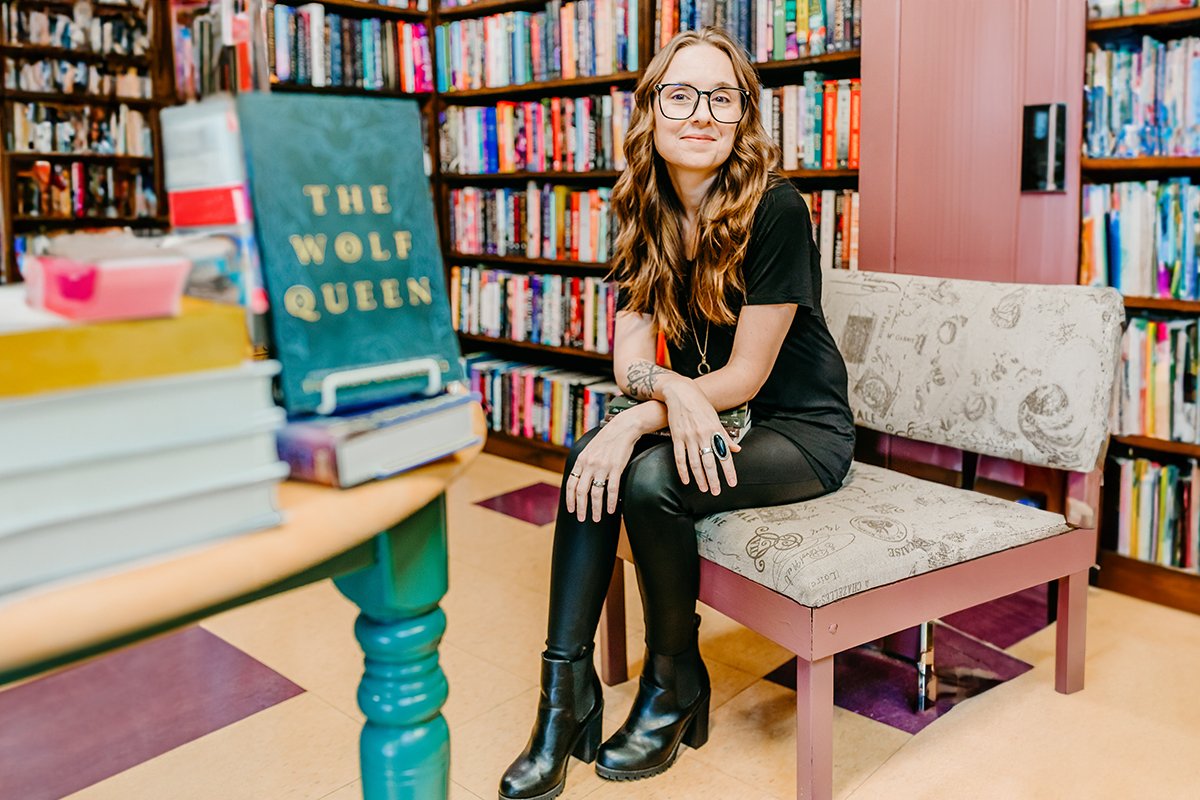
Photo: Tabitha Caplinger, author of The Chronicle of the Three and The Castle Rose, crafting powerful stories blending faith and fantasy.
Christian Themes Meet Supernatural Adventure
Tabitha Caplinger discusses her journey as an author, blending Christian faith with fantasy, building dynamic characters, and inspiring readers to embrace their identity, purpose, and light amidst life’s battles.
T abitha Caplinger is a storyteller in every sense of the word, weaving Christian truths, supernatural intrigue, and heart-pounding adventure into tales that captivate and inspire. With her compelling works like The Chronicle of the Three Trilogy, The Wolf Queen, and her award-nominated masterpieces, The Wayward and The Castle Rose, she has built a reputation for crafting unforgettable characters and immersive worlds. Her passion for helping others live “chosen” is as present in her writing as it is in her life as a teacher, mentor, and mother. Tabitha’s faith-driven narratives explore profound themes of hope, identity, and purpose, infused with humor, warmth, and the occasional sword fight.
In this exclusive interview for Mosaic Digest magazine, we delve into the mind of a creator who masterfully balances light and darkness, fiction and faith. Tabitha’s stories go beyond simple entertainment—they challenge readers to see their own worth, battle their inner demons, and embrace hope. Whether drawing on her own experiences as a youth pastor, her love for the comforting charm of her Virginia hometown, or her fascination with the seen and unseen battles of good and evil, Tabitha’s work resonates deeply with young and old alike. We are thrilled to celebrate her impactful voice and her ability to create worlds that remind us all of the enduring power of faith and love.
What inspired you to create the character of Zoe Andrews in your trilogy, The Chronicle of the Three?
I was a youth pastor for twenty years, working mostly with teen girls. I wanted to create a character they could relate to, that they could see themselves in. I love the chosen one trope, and I wanted them to see Zoe coming of age and discovering her purpose, identity, and worth, tethered to faith and hope, and realize they could do the same. Hopefully, without the demons and a looming apocalypse.
How do you balance the darker elements of your story with the Christian themes and messages?
I think the Gospel is a story of darkness versus light, of good versus evil. That is the world we live in. While we may not see shadows lurking, they are. I don’t think we need to shy away from the reality of darkness to share the faith elements. So, I didn’t think about balancing it all. Instead, I wanted to be sure that no matter how dark it got, there was always light revealing hope. Throwing in some witty banter helped lighten the mood, too.
Can you tell us more about the world-building process behind the town of Torchcreek, Virginia?
I grew up in Fauquier County, Virginia. I consider Warrenton, Virginia, my hometown, and Historic Old Town Warrenton is still one of my favorite places in the world. Torchcreek is modeled after that main street. It was nostalgic to bring its charm to my story.
Add in some demons, swords, and an ancient prophecy, and voila!
Honestly, The Chronicle of the Three Trilogy were my first books, so there was a lot of learning as I went. While writing, I would have to pause and visualize the world one scene at a time, though my hometown provided the basic framework.
What role do you think the supernatural and demonic elements play in your narrative?
Embodying evil and darkness through the shadows tormenting and oppressing Torchcreek, brought the battle of good versus evil out of just minds and hearts, and into the tangible world. Making it a very real battle for the characters gave me a way to highlight the war we all wage against fear and failure. We see the characters fighting with swords—which is kind of fun— but also through caring for one another, self-examination, prayer, and more.
How do you think your work compares to that of authors such as Frank Peretti and Cassandra Clare?
Like Peretti, Christian themes are at the forefront of a story about spiritual warfare. All with a teenage chosen one and found family like Cassandra Clare’s Shadowhunter Chronicles.
What do you hope readers take away from the story of Zoe and her journey?
I want Zoe’s story —and Maggie’s and Daniel’s and Lucas’s and Claire’s—to show readers that no matter our doubts, fears, or failures, we all were created on purpose for a purpose. We don’t have to slay demons or defeat great evils to impact the world for good. We can simply invite someone in need of a little love to have a slice of pie.
How do you manage to juggle your writing with your other responsibilities, such as teaching and family life?
We try to keep a good rhythm in our home rather than a strict routine. One that allows me to make time for everything that needs to be done, while also leaving space for grace and rest when life is busier or I’m feeling overwhelmed. It really has been all about learning what to say yes to and what to say no to so I can manage my time wisely.
What advice would you give to aspiring authors who are looking to write in the Christian fantasy genre and get their work published?
Do your homework. Be a constant learner when it comes to the craft of writing as well as the business and marketing side of the industry. Whether you want to self-publish or be traditionally published, there is more to being an author than just writing the book—though you want to do that to the best of your ability—so the research and investment of your time and energy into the business side will be a benefit.