








Ali Williams Writes Bold, Groundbreaking Romances That Redefine Love, Desire, and Representation
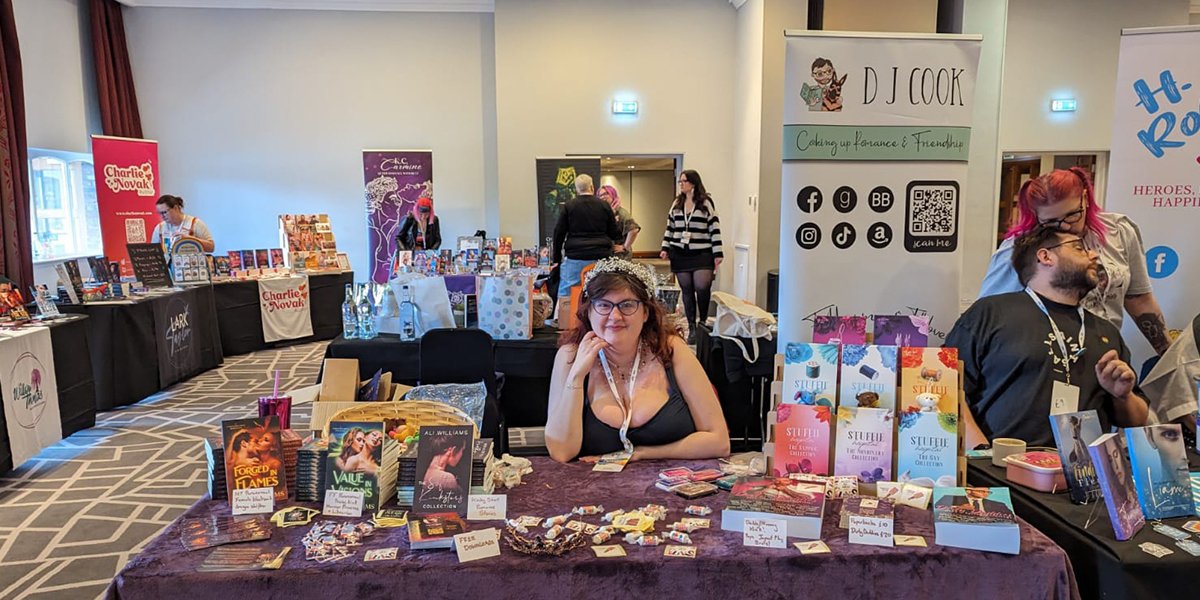
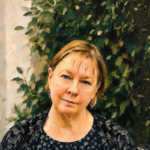
PHOTO: Ali Williams: Author, editor, scholar, and trailblazer redefining romance and speculative fiction through nuanced explorations of queerness, agency, and desire.
Exploring Kink, Queerness, And Feminism In Romance
Ali Williams discusses her innovative approach to romance writing, the impact of queerness and kink in her novels, the art of editing, and her passion for inclusive and feminist storytelling.
Ali Williams is a luminary in contemporary romance literature, bringing an unparalleled passion and academic depth to her work. Writing intensely kinky paranormal romances as Ali Williams and delightfully spicy erotic romances under her pen name Ellie Rose, her stories captivate readers with their rich complexity and fearless exploration of the human experience. With a PhD specializing in the intersection between queerness and kink in feminist romance and a remarkable ability to blend scholarship with creativity, Ali stands at the forefront of authors and editors redefining the boundaries of romance and speculative fiction.
Here at Mosaic Digest, we pride ourselves on showcasing voices that challenge conventions and embody the diverse, transformative potential of storytelling. Ali’s narratives, deeply rooted in her personal experiences and academic expertise, are prime examples of how literature can empower and inspire. From her sell-out online lecture series, Romancing the Discourse, which delves into the liberating power of kink and the subversion of gender norms, to her unwavering commitment to crafting authentic and celebratory queer stories, her contributions to the romance landscape cannot be overstated.
In this exclusive interview, we explore Ali’s groundbreaking insights, creative process, and her dual role as both a visionary author and a meticulous editor. Whether it’s her commitment to nuanced representation or her ability to navigate complex themes like queerness, desire, and agency, Ali Williams exemplifies the artistry and heart that makes the romance genre so profound. It is our distinct honor to feature her in this issue of Mosaic Digest. Let’s dive into her world and uncover what makes her voice such a vital part of today’s literary tapestry.
Ali Williams masterfully blends creativity, scholarship, and representation, crafting stories that champion diversity, liberation, and deeply human love.
Your PhD research delves into the intersection between queerness and kink in feminist romance. How has this academic pursuit influenced your approach to writing and editing within these genres?
It’s made me really mindful and intentional about the decisions that I make in my writing. I’m interested in how queerness operates in tension to heteronormativity, and when you explore that in a romance that ends in a Happy Ever After, that may change the kind of ending that you get. Similarly, exploring how kink can be a safe space for desire to be explored, creates interesting and narrative character development opportunities.
In my editing, it’s made me really aware of how consent and queerness are represented on page; and I really enjoy exploring these with other authors.
“For me, writing is about exploring vulnerability and connection while staying true to the characters’ emotions and experiences.” – Ali Williams
In your online lecture series, “Romancing the Discourse,” you explore topics like how erotic romances use kink as liberation and how paranormal romance can degender agency. Could you share insights into how these themes challenge traditional narratives in romance literature?
I think it’s less about challenging traditional narratives, but rather about making space to challenge societal expectations. A lot of the kink narratives I’m interested in, use kink as an exploration of the self. A way for characters to connect with each other, but also with their own desire in a way that frees them from the constraints they might normally struggle with in day to day interactions.
Paranormal romance is really interesting because a lot of the tropes – such as fated mates, alpha werewolves etc – actually lean into gender stereotypes. What is consistent, however, is the amount of agency that is afforded women, nonbinary and trans characters. They often drive the narrative in a way that challenges the damsel in distress archetype.
As a sapphic AuDHD author, how do your personal experiences shape the authenticity and depth of your characters and storylines?
It’s really important to me, that my books reflect the diversity of both my own experiences, and the diversity of the world I live in. These days I focus on writing queer sapphic characters (though I’ve written many different pairings in the past), many of whom are neurodiverse. I think it’s partly in response to never seeing people like me getting Happy Ever Afters when I was growing up.
But also, when we think about the world today, and how politics is growing so divisive, I think it’s even more important for queer people to see themselves reflected in narratives that aren’t focusing on queer pain and suffering. We get to be happy too!
You’ve worked with several New York Times bestselling authors as an editor. What common challenges do authors face in the romance and speculative fiction genres, and how do you guide them through the editing process?
I love editing. For me, I see an editing project as a joint effort between an author and an editor; it’s not about me making my stamp on the manuscript, but rather ensuring that their voice shines through. When doing line or copy edits, I give detailed constructive critiques, and also flailing in delight in the comments section – it’s important for an author to know what they’ve done really well, otherwise how will they know to do it again?!
“Power dynamics in romance reflect a dance of trust, intimacy, and self-discovery, which I love delving into.”– Ali Williams
As for challenges, it’s the same as in most genres – authorial voice, characterisation, world building, and of course narrative structure. What I aim to do, is to highlight areas for improvement, making suggestions both at a line level and a structural level, that enable the author to strengthen their book.
Balancing roles as an author, editor, and educator requires a unique skill set. How do you navigate these different facets of your career, and what strategies do you employ to maintain creativity and productivity across them?
It feels like I’m permanently balancing multiple plates! But they all feed into each other. My writing makes me a better editor: it means that I know what it’s like to get feedback, and what I find most useful. Editing jobs allow me to read a range of romance and speculative narratives, and see how other people explore themes and characterisation.
And my role as an educator ties it all together. I run workshops on creative ethics and creative practice – from both a writing professional and an academic perspective – as well as teaching university seminars on feminism, queerness and intersectionality.
As a writer with AuDHD, I do a lot of body doubling, which means running writing sprints on Zoom. It’s a great way to prevent myself from being isolated, as well as working to keep my focus on track. And I have different projects in different subgenres of romance (paranormal vs erotic) so that I’m always got something new to be excited about.