







Brian A. Plank Illuminates Mental Health Through Fiction and Personal Experience

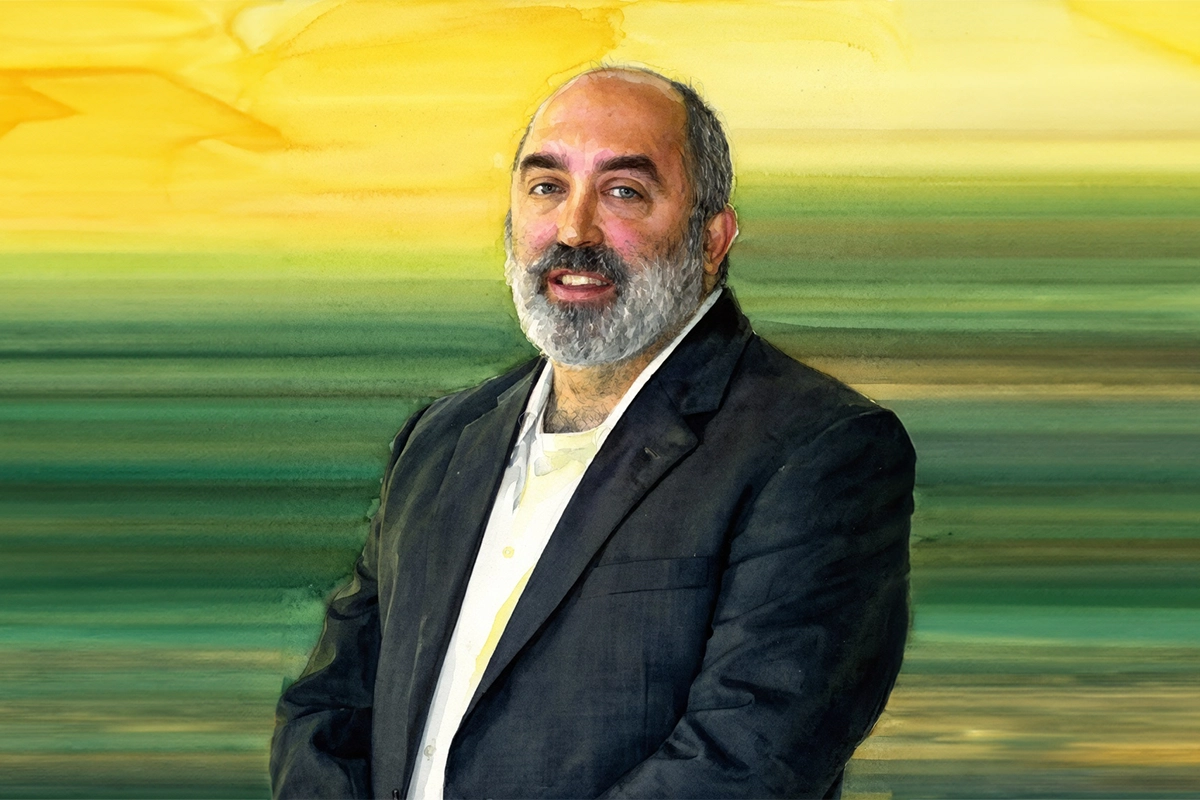
Photo: Brian A. Plank – Author of The King Who Would Be Man, blending personal experience and fiction to foster empathy and awareness.
A Journey of Resilience, Advocacy, and Hope
Brian A. Plank candidly shares his journey with mental illness, using fiction to raise awareness, challenge societal stigmas, and inspire empathy through his latest book, The King Who Would Be Man.
B rian A. Plank’s name may soon become synonymous with resilience and the courageous pursuit of understanding the human condition. Born in Hamilton, Ontario, Plank’s remarkable journey as a writer began almost as soon as he could put pen to paper. Initially balancing a career in engineering with his creative aspirations, his life took a profound turn due to the challenges of living with mental illness. An experience he channels not only into surviving but thriving, by using his story to educate and inspire.
Plank’s work, including his novel The King Who Would Be Man, stands tall as a bold exploration of themes deeply personal yet universal. The book’s unnamed narrator grapples with the complexities of living with mental illness—an aspect Plank knows all too well. Diagnosed with schizophrenia in his early thirties, Plank found his world closing in as those once in his corner turned away. His response? To hold onto and amplify the voices of individuals navigating similar terrains of stigma and misunderstanding. In critically acclaimed storytelling, he urges readers to move beyond societal norms and grapple with the depth of empathy, identity, and the unseen.
Brian A. Plank is a courageous storyteller who breaks barriers with authentic, powerful narratives that ignite understanding and compassion.
The engineering background that Plank brings to his writing is a compelling counterpoint to his creative pursuits. Problem-solving, rooted in logic and meticulous analysis, is a hallmark of his professional training. Rather than complying with rigid norms, Plank employs this discipline to dissect emotional complexities and unravel the nuanced challenges of the human psyche. But his narrative voice defies the clinical—he weaves warmth and vulnerability into his words, delivering stories that are as moving as they are reflective. His style—raw, unflinching, and at times provocative—encourages readers to empathize deeply while questioning their own preconceptions.
In his interview with Reader’s House magazine, which serves as the source for this article, Plank delves into what inspired him to write The King Who Would Be Man. He explains that his struggles with schizophrenia, a condition he believes he was born with, became his motivation to illuminate the reality of living with mental illness. His decision to write was about more than personal catharsis; it was a mission to provide a voice for those unable to share their truths and to foster understanding of the complexities surrounding mental health.
“I realized that people didn’t understand the complexity of the illness, so I made it my mission to educate.” – Brian A. Plank
Plank also touches on the difficulties of writing a narrative grounded in such sensitive subject matter. He reflects on how a toxic workplace environment, marked by bullying and gaslighting, crushed his self-esteem during the early years of managing his condition. Seeking refuge in storytelling, he published his first article, Another Perfect Day, which resonated with readers and encouraged him to keep writing about taboo topics. This endeavor has since grown into a body of work that allows others to see themselves in his stories—and, as Plank hopes, to feel less alone.
For Plank, creating an accurate portrayal of someone struggling with mental illness involved drawing from a mix of personal experiences, conversations with others in similar situations, and research. These elements informed the character of his unnamed narrator, whose journey becomes a lens through which readers are challenged to reconsider preconceived notions about what it means to live with mental illness. His hope is that The King Who Would Be Man not only raises awareness but chips away at the stigma surrounding invisible disabilities.
The balance between addressing heavy themes and creating an engaging story was no easy feat. Yet, for Plank, it comes naturally. His writing simultaneously confronts difficult truths while leaving room for moments of triumph over adversity. As he puts it, “Beyond the storytelling, my hope is that readers will see between the lines and begin to open their minds to introspection about what is truly the unknown.”
For aspiring writers looking to tackle sensitive topics in their work, Plank offers invaluable advice: “Prepare yourself to be vulnerable to both you and your readers. Readers need honesty and transparency. Some are looking for advice, some for connection, and others for the sheer pleasure of reading. Be open to constructive criticism, and learn to be both instructor and student.”
Through his dedication to truth, empathy, and advocacy, Brian A. Plank has made his mark in the literary world. His work is not merely an exploration of mental illness; it is a celebration of the strength found in vulnerability and a call to cherish the diverse tapestry of human experiences. The King Who Would Be Man promises to inspire introspection and foster compassion in those who dare to pick it up.