











Exploring Depths of Memory and Healing With Loni Hoots

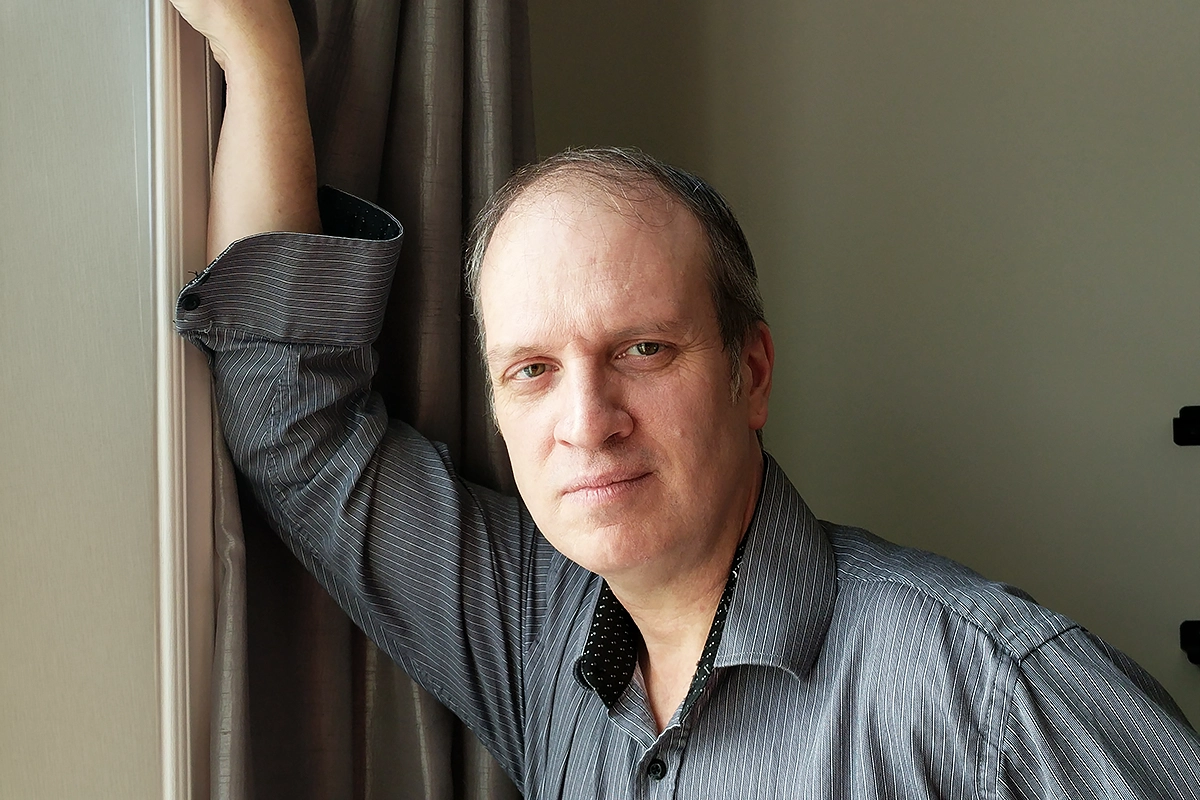
Photo: “Loni Hoots, author and poet, unravelling hidden truths and crafting stories that redefine our connection with history and healing.”
A Dive Into Historical Fiction, Poetry, And The Power Of Healing Through Stories
Loni Hoots discusses her creative process, inspiration, and artistry while addressing themes of history, emotion, healing, and the environment. Her works reflect the beauty of truth and the transformative power of storytelling.
L oni Hoots captivates readers and inspires introspection through her profound storytelling and evocative poetry. From historical fiction to environmental themes and lyrical reflections, Hoots invites us into worlds teeming with mystery, truth, and emotional resonance. With her latest works like “Secrets of Edenfield” and multiple poetry collections, she explores the complex interplay of trauma, healing, and memory. Hoots is a gifted writer whose works are steeped in empathy, offering readers both solemn truths and enduring hope. Her ability to navigate sensitive topics with grace and power affirms her as a literary voice worth celebrating.
Loni Hoots weaves profound, tender narratives with sensitivity, offering readers illuminative journeys into healing, history, and personal connection through literature.
What inspired you to write “Secrets of Edenfield”?
The major reason for writing this novel is based on my love for history and the truth. I knew that the reality behind the asylums and institutions were marked with horrific circumstances that the public were unaware of. The public has only become aware of it since the early 2000s when articles, books, and news reports were highlighting the reality. I felt it was my duty to create a book that gave a voice back to those who lost theirs due to the cruelty that was inflicted upon them.
How did you approach writing about such a sensitive and emotional topic?
When approaching this topic you must hold it with kid gloves. The reason for that is because it is so sensitive and emotional to those who may have been affected by it personally. We must be real with ourselves on this type of topic; many don’t want to acknowledge what had been going on. They would rather shut it away and hope that no one else will have the courage to divulge the inner workings of organized cruelty that hid behind institutions like these hid.
“Your work won’t resonate with everyone, and that’s perfectly fine. People are allowed to have their own opinions. What matters is how you respond. Take what’s helpful, release what’s not, and remember you’re not creating for every audience. Don’t let every voice pull you off course.” – Loni Hoots
What draws you to explore themes of mystery and hidden truths in your work?
I’m curious by nature and will find myself wanting to figure out the truth about anything and everything into the early hours of the morning if you let me.
How has your experience as a poet influenced your approach to writing novels?
Poetry teaches you that what you leave unsaid can be as powerful as what you explain. When it comes to novels, that shows up as subtext, this lets characters circle their feelings, letting any meaning emerge through action or metaphor.
What inspired your exploration of environmental themes, such as in “Laki Penan”?
I’ve been an environmentalist ever since I was a child, my first home will always be nature. Because of this love and need to protect the earth, I can align myself with those like Bruno Manser whose honorary name was Laki Penan which he received by the Penan tribe.
“Hoots is able to swirl her words into images and then into these characters and their lives so much that it all seems very real as if you’re reading a newspaper article or watching a newscast online or on TV. Her writing grabs the reader’s attention and holds it, never letting go.” – LB Sedlacek
How do you develop such vivid, atmospheric settings in your books?
One of the greatest gifts that I was given was the rich inner world I hold inside my mind, and with that I’m able to translate it to pen and paper to create different worlds.
What do you hope readers take away from “Secrets of Edenfield”?
As the famous saying by George Santayana goes, “Those who don’t learn from history are condemned to repeat past mistakes.” That should stick in their minds as they read the book.
Can you tell us more about the creative process behind your poetry collections?
There are times where I will sit in silence as I observe the world around me and the thoughts that race through my mind; when I finally make sense of the thoughts or the surroundings, I jot them down into notes before turning them into a poem. Lately, I’ve been writing them in a letter format.
How do you handle writer’s block or creative challenges?
Most of the time it’s due to overstimulation or that I’m overthinking again. When that happens, I step away from all technology and just jot down every single thought in my head, even if it doesn’t make sense in the moment.
What writing tips would you give to aspiring authors?
Write what you want, not what the market wants. Our current literary market is full to the brim with the same story in different fonts, and not everyone wants to read what’s deemed popular. You have a story to tell, so tell it.
What advice would you offer to aspiring authors who are beginning their publishing journey?
Get comfortable with rejection. This can help with all aspects of life, but in the publishing world you will be turned down because you don’t fit into the box they have molded. There’s a publishing company out there who is willing to take a chance on you, just don’t cave in to what others want you to write just so you can be published, it’s not worth it.
What general advice or lessons would you share with other authors trying to find their voice?
It’s a journey. You won’t find your voice overnight, and that’s okay. It took me several years to find my voice and while it was frustrating, I’m honestly glad it did take me time. Because it’s me. I have control over it, no one else does. Appreciate the journey of finding who you are in your work, even in difficult times.