


Finding Meaning Through Words: Jeff Rasley’s Journey
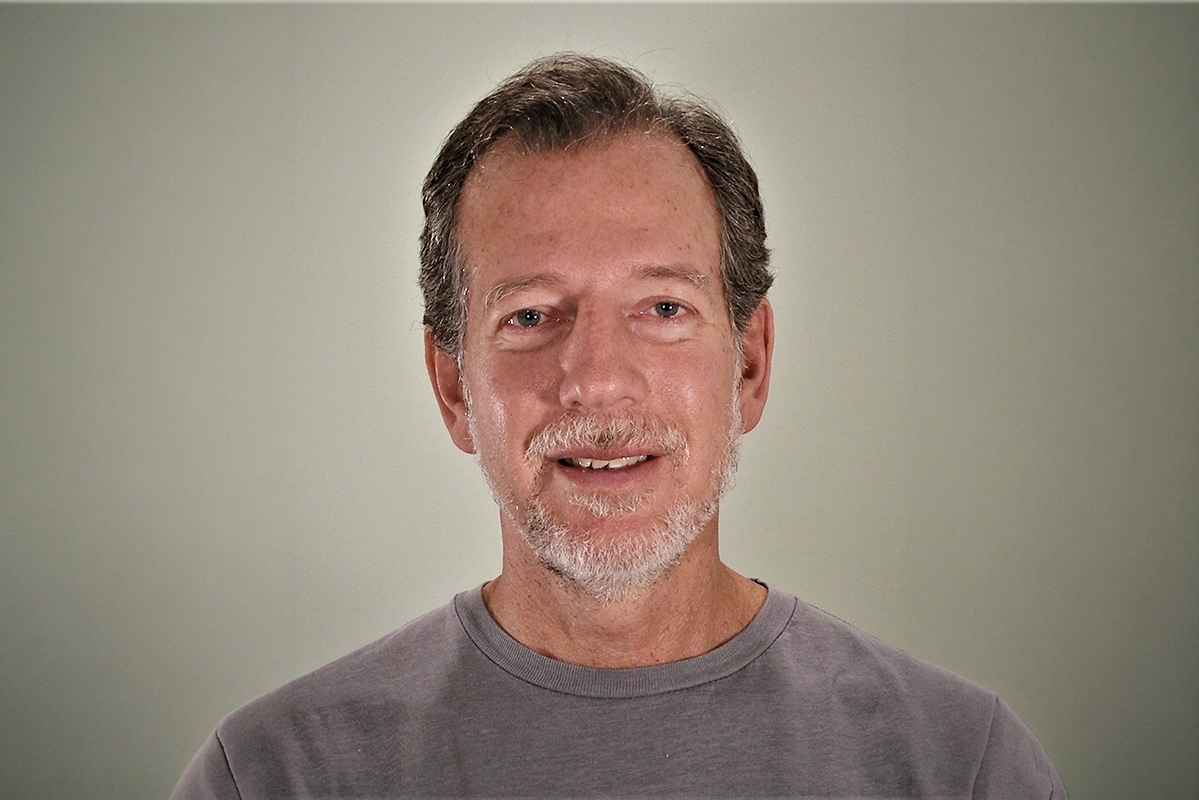
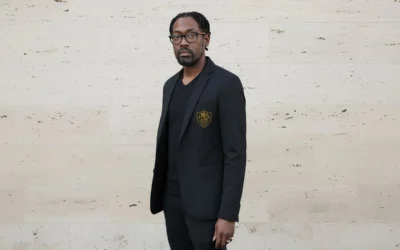
Photo: “Jeff Rasley: A Renaissance Man Inspiring Lives Through Words, Adventure, And Justice”
An Author And Adventurer On Living A Meaningful Life
Jeff Rasley, an author of 17 books, lawyer, and philanthropist, shares his journey of weaving personal adventures, ethical exploration, and social impact into his awe-inspiring literary works.
J eff Rasley, a modern Renaissance man with unparalleled versatility, is a celebrated author, Himalayan expedition leader, lawyer, philanthropist, and social justice advocate. With an impressive portfolio of 17 books and over 90 acclaimed articles featured in prestigious publications like Newsweek, Chicago Magazine, and ABA Journal, Rasley exemplifies a life driven by purpose and passion. His literary creations span a diverse array of genres – from legal thrillers to memoirs, adventure travel to social justice. With an unwavering commitment to both storytelling and activism, Rasley’s work delves deeply into the human spirit, ethical dilemmas, and the pursuit of meaningful living. A true embodiment of resilience, curiosity, and philanthropy, Rasley’s fascinating journey as an author and adventurer is as compelling as the stories he writes.
Jeff Rasley embodies curiosity, compassion, and creativity, crafting profound narratives that inspire reflection, adventure, and social consciousness.
What inspired you to start writing, and how did you find your voice as an author?
I started writing moony-adolescent poetry in my early teens. It was un-publishable, but I enjoyed writing. Three poems I wrote my first year in college were published in Kennings, the Hanover College Fine Arts Journal. That success gave me the confidence to keep writing, but I soon out-grew writing emotionally-wingey poetry. I took a short story writing class at the University of Chicago with Richard Stern, Saul Bellow’s personal editor. With his encouragement, I wrote an 80-page philosophical memoir about a cross-country motorcycle trip as my BA paper. That convinced me that I wanted to write from a personal perspective, but about universally meaningful subjects. So that’s what I’ve tried to do in the 90+ feature articles and 17 books that followed.
Can you share your experience of writing your first book?
The first book I wrote was a legal thriller inspired by a case I handled as a lawyer. Justice was not done, so I righted the wrong in the novel. It didn’t change the outcome of the court case, but it was a cathartic way to critique the American legal system. The manuscript got shelved, when the publisher closed the division of the house the book was to be published under and laid off my editor. The next book, Bringing Progress to Paradise, was a memoir about Himalayan mountaineering adventures and my relationship with a remote village in Nepal. It was published, and it’s been a boon to the Basa Village Foundation, which I founded to do culturally sensitive infrastructure development in the Basa area of Nepal. (The legal thriller was later published as False Prophet.)
“Write about what you care about and what you want to write about.” – Jeff Rasley
How do you balance your diverse interests—writing, philanthropy, law, and adventure?
Very delicately! In high school, I played 3 varsity sports, worked part-time at a gas station, was involved in theater, had an active social life, and made honor-roll grades. I learned how to be very disciplined in managing time. That discipline was integrated into the way I live my life. I try to focus on one task at a time in order to devote my full attention to whatever project I’m involved with in that moment. It was really challenging when Alicia and I were raising two kids, I was practicing law, leading Himalayan expeditions, serving as an officer/director of up to 11 different organizations, playing recreational sports, and writing. But we all survived. And retirement from law has made life much easier.
What motivates you to write on such varied topics like law, travel, spirituality, and human interest?
My eclectic interests in writing mirror the way I live. I have many and varied interests. I have a curious mind and like to discover and experience different things. In Isaiah Berlin’s terms, I’m more of a fox than a hedgehog in terms of interests. But I turn into a hedgehog, when I focus on a project, activity, or task.
“Live your life like you are creating a work of art, and make it beautiful.” – Jeff Rasley
How did your legal career influence your perspective as an author and as a social activist?
I originally went into law hoping to use it as a way to fight for social justice. Starting in high school I was involved in anti-war and civil rights activist efforts. In law school, I organized the first rent strike and class action suit against a landlord in the State of Indiana. The first article I wrote, which was published in a national journal was about child abuse. It was published in Family Law Review, when I was in law school. Numerous articles followed about various social issues. As my time and attention moved away from law and more toward philanthropy, the articles I wrote focused more on illustrating how philanthropy (love of humanity) could be interwoven into living a meaningful life. The novels I’ve written are primarily intended to tell an interesting story. But even in fiction writing, my books and short stories tend to present ethical dilemmas and philosophical issues. I hope my work is not perceived as too didactic, but I do love to teach.
What challenges have you faced in your writing journey, and how have you overcome them?
When I was in my twenties, the biggest challenge was motivation. There were so many other things I wanted to do, like adventure travel, studying philosophy, and then learning how to be an excellent lawyer. So I only managed to produce a few articles during that period of my life. When I was in my thirties and early forties, time was the problem. Being a very involved dad, along with all the other commitments I had, just didn’t leave much time for writing. It had to wait until the boys were in bed, and by then, I didn’t have a lot of energy left. I still managed to produce a few published articles each year. The attempt at a first book began the last year I was practicing law. I had more unscheduled time than I was used to, because my caseload was down to a minimum in preparation for retirement (at age 57). So then, it was a question of whether I had a complete book in me. I did, because I was writing about something I cared about and wanted to write about.
What advice would you give to aspiring authors?
Sorry to borrow from a Nike advert, but just do it. Write about what you care about and what you want to write about. My first book editor challenged me to state the theme of the book in one sentence. And then to ask myself as I wrote each chapter, how does this relate to the theme of the book. I found that advice very helpful. I taught a class in memoir writing at the Indiana Writing Center for ten years. I challenged my students to do that, and most of them found it helpful. With some works, the theme doesn’t become clear until there is a first or even second or third draft. And some will have several major themes. But my students always found it a useful exercise to try to express to the class in one sentence what it was the main thing they were trying to say in their book.
How important do you think community and collaboration are for authors?
The only writing group I was ever in was the short story class I took in college from Richard Stern (mentioned above). I like the solitariness of writing. That might be due to the many other activities I’m in which involve other people. But my wife is an English professor, multi-published author, and will tell you without hesitation a much better writer than her husband. We talk a lot about writing. She is always the first reader/editor/critic of my books. Alicia has been in several groups with professional and serious writers. She gets a lot out of giving and receiving feedback from a group. So I benefit from the advice she passes on. Whether community and collaboration is helpful to a writer is a question that writer needs to answer. There is not a universal answer that suits all of us.