










Jaclyn Paul Weaves Stories That Enlighten and Empower Readers Across Genres
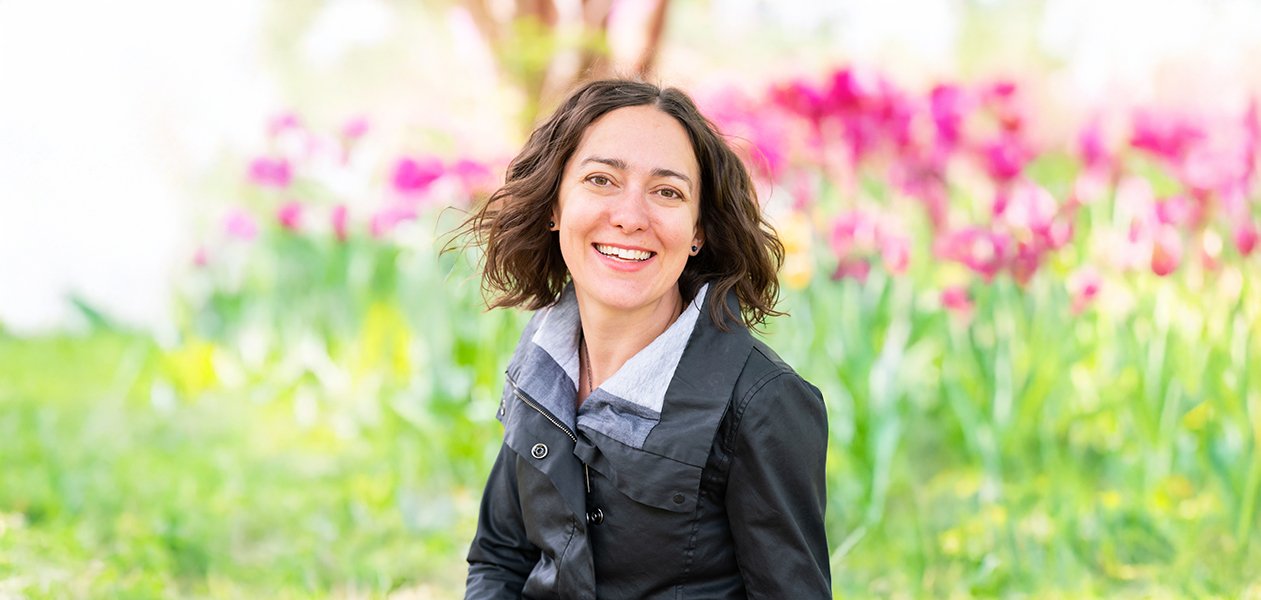
PHOTO: Jaclyn Paul, celebrated author and advocate, captures life’s complexities through her stories and her work in ADHD awareness. (Skyler Cole Photography)
From Red Pen Addicts to Bestsellers
Jaclyn Paul discusses her writing journey, ADHD advocacy, and the balance between her roles as an author, mother, and community leader.
Jaclyn Paul, a remarkably versatile author, effortlessly bridges the realms of fiction and non-fiction, offering readers a glimpse into the intricacies of human experience. Writing fiction under the pseudonym Lena George, she deftly introduces queer and neurodivergent characters into narratives that have become favorites for many book clubs. Her poignant storytelling is perhaps best exemplified in her debut novel, “She’s Not Home,” published in 2023 with Harborview Press. A heartfelt exploration of grief and family dynamics, this novel resonates with authenticity and emotional depth.
Beyond fiction, Jaclyn’s impactful work in ADHD advocacy stands as a testament to her commitment to enlightening and supporting others. Her bestselling book “Order from Chaos: The Everyday Grind of Staying Organized with Adult ADHD” has been a guiding light for many navigating the complexities of adult ADHD. Hailed by both readers and renowned experts, including Kathleen Nadeau, Ph.D., it has cemented its place as a vital resource on numerous “best of” lists.
At Mosaic Digest magazine, we are honored to feature an interview with Jaclyn Paul, whose literary contributions and advocacy have profoundly enriched both the neurodivergent and broader communities. Her unique voice and dedication to authenticity inspire a deeper understanding and appreciation of the diverse narratives that shape our world. Through her involvement with the Baltimore-based writers’ group, Red Pen Addicts Anonymous, Jaclyn continues to foster a thriving community of writers, encouraging passionate storytelling and meticulous craft. Join us as we delve into the journey of this extraordinary author, whose work continues to inspire and empower.
Jaclyn Paul masterfully blends compassion and insight, crafting narratives that resonate deeply and offer guidance to countless readers.
Your book Order from Chaos offers practical advice on managing adult ADHD. How has your personal experience with ADHD influenced your approach to organization, and what motivated you to share these strategies with others?
When I started writing about life as an adult woman with ADHD, there were only a few of us out there. Before becoming an author I worked in human resources and non-profit administration, so I’d already drifted toward supporting people and helping them do their best work. When you have ADHD, the standard advice for organizing your life often falls short. I wanted to distill what I’d learned and how I’d succeeded, and emphasize the importance of self-acceptance and self-knowledge in the organizing process. Everything has to happen through an ADHD lens.
“Readers will write to thank me for articulating a life experience they thought they were enduring alone.” – Jaclyn Paul
Writing fiction under the pseudonym Lena George, your novel She’s Not Home explores themes of grief and family dynamics. What inspired you to tackle such profound subjects, and how did your own life experiences shape this narrative?
I rarely set out to tackle specific issues in fiction. My stories begin as a single spark, a seed of an idea that might come from an interaction with a neighbor or something I’ve experienced or read about. In the case of She’s Not Home, I lost a friend to a car accident when we were seventeen. Several of my high school classmates were killed in car crashes. There was this tensionbetween the beautiful landscape we grew up in, and that landscape’s inherent dangers. I have a sister much younger than I am, and she always looked up to me when she was small. At some point I thought, it could’ve been me in that car just as easily as my friend.
Th would’ve changed the entire shape of my sister’s life. None of the families in She’s Not Home are anything like my own, but that’s where the idea started. The setting is a
fictionalized version of my hometown. I see it as a love letter to that home, but also a meditation on some of the darker aspects of what it means to grow up there.
Balancing roles as a mother, author, and ADHD advocate requires exceptional time management. How do you navigate these responsibilities, and in what ways does your ADHD both challenge and enhance your creative processes?
I don’t think ADHD enhances my creative processes. When my ADHD symptoms are more present, my creative life suffers. I also spend more time and energy on the basic stuff of adult life because I have ADHD. This leaves less for creative work. I’m fortunate my son has always chafed against being over-scheduled, and he enjoys doing his own thing more than many kids. Also, there’s only one of him. I don’t know what my career would’ve looked like under different circumstances. Parenthood has made me who I am, but it also places a premium on my time which is both motivating and overwhelming. When my son was small I would schedule multi-day writing retreats to make progress on large projects. I think anyone in my position needs a supportive partner, or if they’re parenting solo, someone in their life to help take the pressure off. My husband is so proud of what I’ve accomplished, and he’s always been happy to step in and help make space when I need it.
The ADHD Homestead blog has been a platform for sharing your journey since 2014. How has the evolution of this blog impacted your personal growth and connection with the ADHD community over the years?
Early on, the blog let me play around with my writing tone and style and see what topics resonated with my audience. Order from Chaos overtook it at some point, and now most people seem to know me from the book. However, it had a huge impact on my growth as a writer and a member of the ADHD community. It’s where I learned to think through mission, integrity, and ethics in non-fiction writing. Most of all, though, I appreciate the private messages readers have sent me through the site. Readers will write to thank me for articulating a life experience they thought they were enduring alone, in words they feel they never could’ve come up with on their own. That impact and connection is truly an honor.
As the founder of the Baltimore-based writers’ group Red Pen Addicts Anonymous, how has fostering a community of writers influenced your own writing, and what insights have you gained from leading such a diverse group?
I have a degree in fine arts, and several years removed from college I missed those rigorous art-school critiques. Red Pen Addicts Anonymous is a tongue-in-cheek name, but we’ve always been serious about the craft. There was a time, early in the group’s existence, when we went from around fifteen members to maybe four or five. I think some folks realized they weren’t as interested in rigorous critique as they thought they were. At first I was crushed. The group was falling apart. Then I realized everyone is looking for something different, and whoever remained after those first six months or so would be the writers looking for the same thing I was. All I had to do was stay true to my original intentions forstarting the group. Over ten years later, RPAA is still playing a key role in its members’ writing lives.