





Kevin D. Miller Captivates Readers With Award-Winning Genre-Spanning Storytelling And Heartfelt Authenticity

Heart of Steel Earned Hollywood Film/TV Option and Multiple Awards
In this interview, Kevin D. Miller shares how a shocking family secret inspired his writing, his flexible creative process, character depth from real life, meticulous historical and scientific research, challenges overcome, influences like Michael Crichton and Nicholas Sparks, genre versatility, and heartfelt advice for aspiring authors
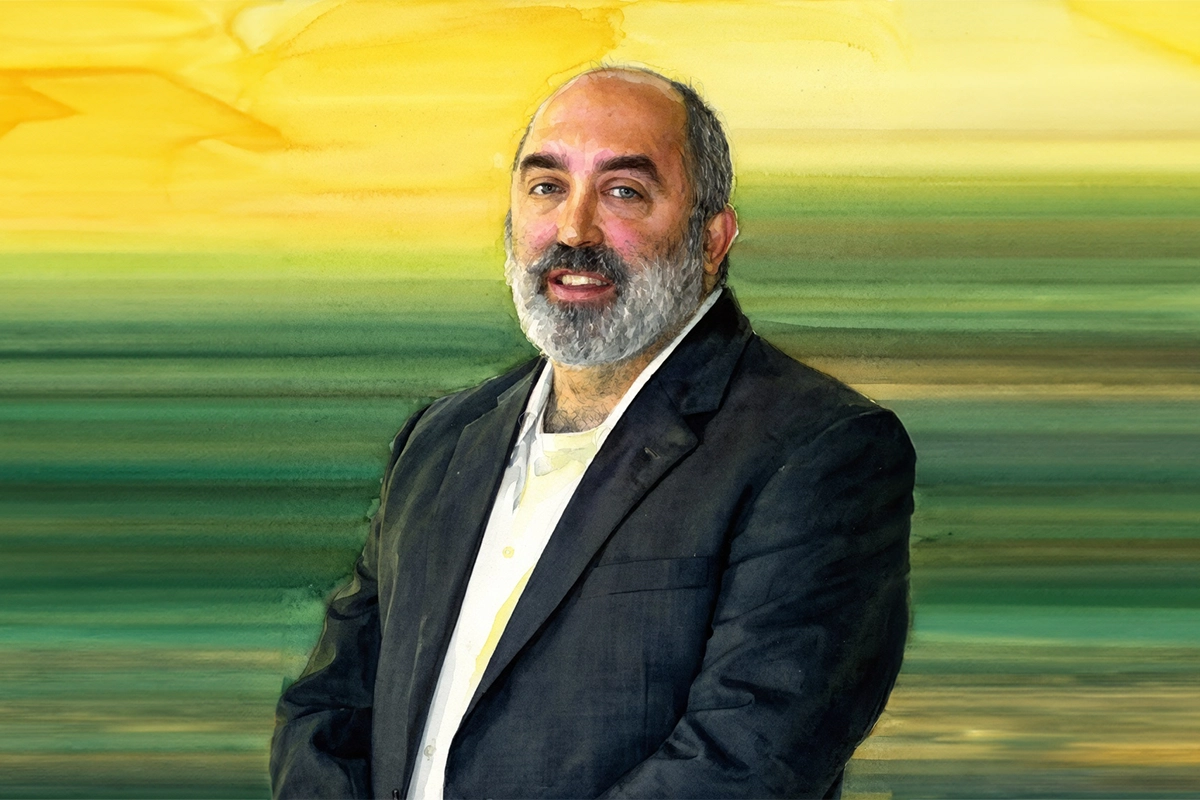
K evin D. Miller stands as one of today’s most compelling and versatile storytellers, an international award-winning and best-selling author whose works resonate deeply with readers through their blend of raw emotion, historical depth, and imaginative flair. From the heart-wrenching true-family saga that launched his career to his genre-spanning triumphs in suspense, historical fiction, and speculative tales, Miller consistently delivers narratives that captivate, challenge, and endure.
His debut novel, Heart of Steel: Based on a True Story, earned a Bronze Award from the 2020 Readers’ Favorite Book Awards and secured a coveted Hollywood option for adaptation into a feature film and TV series—a testament to its powerful storytelling rooted in personal tragedy and unyielding courage. Building on this success, White Skies Black Mingo claimed the Winner spot in Regional Fiction at the 2021 Next Generation Indie Book Awards, along with a Gold Award from the 2021 Mom’s Choice Awards, enchanting readers with its poignant portrayal of resilience amid historical hardship. Most recently, Taquoma triumphed as Winner in the Suspense category at the 2023 Next Generation Indie Book Awards, Winner of Genre Fiction at the 2023 London Book Festival, and Silver Medalist at the 2023 Readers’ Favorite Book Awards, showcasing Miller’s masterful command of tension, research-driven authenticity, and emotional complexity.
In this exclusive interview for Mosaic Digest magazine, Kevin D. Miller opens up about the personal revelations that ignited his writing journey, his flexible yet disciplined creative process, the art of crafting authentic characters drawn from real life, and the meticulous research that grounds his vivid worlds. He also shares invaluable wisdom for aspiring writers, emphasizing lifelong learning, fearless storytelling, and embracing the joy of the craft.
We are honored to feature this insightful conversation, which reveals not only the mind of a gifted author but also the enduring human truths that make his books unforgettable.
Kevin D. Miller masterfully blends raw emotion, historical truth, and gripping suspense into unforgettable, award-winning novels that honor real courage and human resilience.
Interview Highlights:
- Discovered a tragic 1920s family murder secret that birthed his writing career and debut novel.
- Heart of Steel earned Hollywood film/TV option and multiple awards.
- Flexible writing routine driven by inspiration rather than rigid schedules.
- Characters rooted in real people, evolving with flaws, fears, and unexpected directions.
- Extensive research ensures historical accuracy and immersive, believable fiction.
- Overcame early writing challenges through dedicated craft learning, now completing novels in 3-5 months.
- Influenced by Michael Crichton (believable science) and Nicholas Sparks (emotional romance).
- Adapts style across genres by studying conventions and blending elements.
- Emphasizes solid research to avoid reader backlash and maintain credibility.
- Advises aspiring authors to learn craft relentlessly, write fearlessly, and enjoy the creative journey.
“Heart of Steel: Based on a True Story” delves into a poignant family secret. What inspired you to transform this personal history into a narrative for a broader audience?
My grandfather’s story, hidden from us for nearly a century, inspired and moved me so profoundly, I felt an obligation to tell his story to honor him and share with the world a unique story of courage and overcoming impossible odds and a dark tragedy. It is a story that has touched so many.
“My grandfather’s story, hidden from us for nearly a century, inspired and moved me so profoundly, I felt an obligation to tell his story to honor him.”
What does your typical writing day look like? Do you adhere to a strict routine, or do you allow flexibility in your creative process?
I believe in allowing myself flexibility in my writing. I have moments of inspiration where I enter a creative zone and the magic happens. A rigid schedule doesn’t work for me. Instead, I devote a certain number of hours each week to writing when the desire hits me. Sometimes during the day and sometimes in the middle of the night.
So many of my characters are influenced by real people and real-life experiences… It’s important to identify their flaws, fears, the greatest lies, and misbeliefs.”
Your characters often navigate complex emotional landscapes. How do you approach character development to ensure authenticity and depth?
So many of my characters are influenced by real people and real-life experiences. I believe there is also a learning that takes place as the story develops. I get to know my characters on a deep level, and they often speak for themselves and take the story in directions I didn’t anticipate. It’s important to identify their flaws, fears, the greatest lies, and misbeliefs they possess that shape their journey through the story.
Balancing historical facts with creative storytelling can be challenging. How do you maintain historical accuracy while crafting compelling narratives?
Before I begin a story, I research extensively and educate myself on the history of the era I am writing in, historical facts I can weave into the story, places, myths, daily life, traditions, belief systems, etc. I feel the intertwining of historical facts with fiction creates a believable story that readers can immerse themselves in.
Every writer faces obstacles. Can you share a significant challenge you encountered during your writing journey and how you overcame it?
The biggest obstacle I faced as a writer was learning how to write. When I wrote “Heart of Steel” I spent many hours learning the art and skill of writing as I went along. It took me 3 years to write that book. Now I write a full-length novel in around 3 to 5 months. Devoting hours of learning the craft eventually allowed me to break through.
Which authors or works have significantly influenced your writing style and thematic choices?
Michael Crichton influenced my writing in regards to creating believable, easy to understand fictional science in my writing like can be found in “Blood of Yarumaya”, “Taquoma”, and “Eyes of Morpheus”. Nicholas Sparks influenced the way I write romance and deeply emotional stories that move a reader.
You’ve ventured into various genres. How do you adapt your writing style to fit the conventions and expectations of different genres?
I explore so many different genres by reading authors of those genres and educating myself on the expectations of each genre. My books cover, science fiction, speculative fiction, historical fiction, romance, time travel and more. I love the challenge of learning and attempting to write in different genres and sometimes I like to blend multiple genres in a single book.
Research plays a crucial role in your work. How do you approach research to ensure your narratives are both engaging and informative?
Solid research is vital to any story. If you don’t do your homework and get your facts wrong, readers will call you out and reviews can suffer as a result. I work to be meticulous in conduction research and learning everything I can on the topic, location, science, etc. of every book I write.
What advice would you offer to aspiring authors who are just beginning their writing journey?
Devote time and effort in learning everything you can about writing. Prepare by taking classes, reading books on writing and story-telling, watch videos and podcasts. Then sit down and write. Write without fear or hesitation. Tell the world your story and the message you want your readers to take from your story. Trust yourself and enjoy the journey. Writing should satisfy and creative urge and never be a chore.