








Stuart Tudor Redefines Horror Through The Surreal And The Human Experience
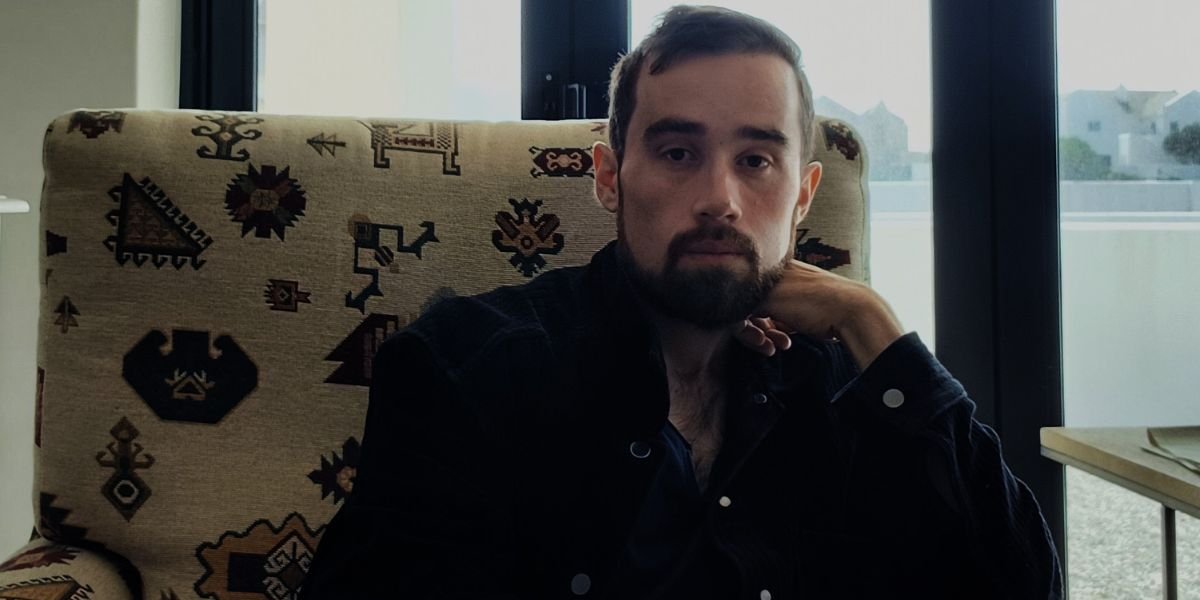
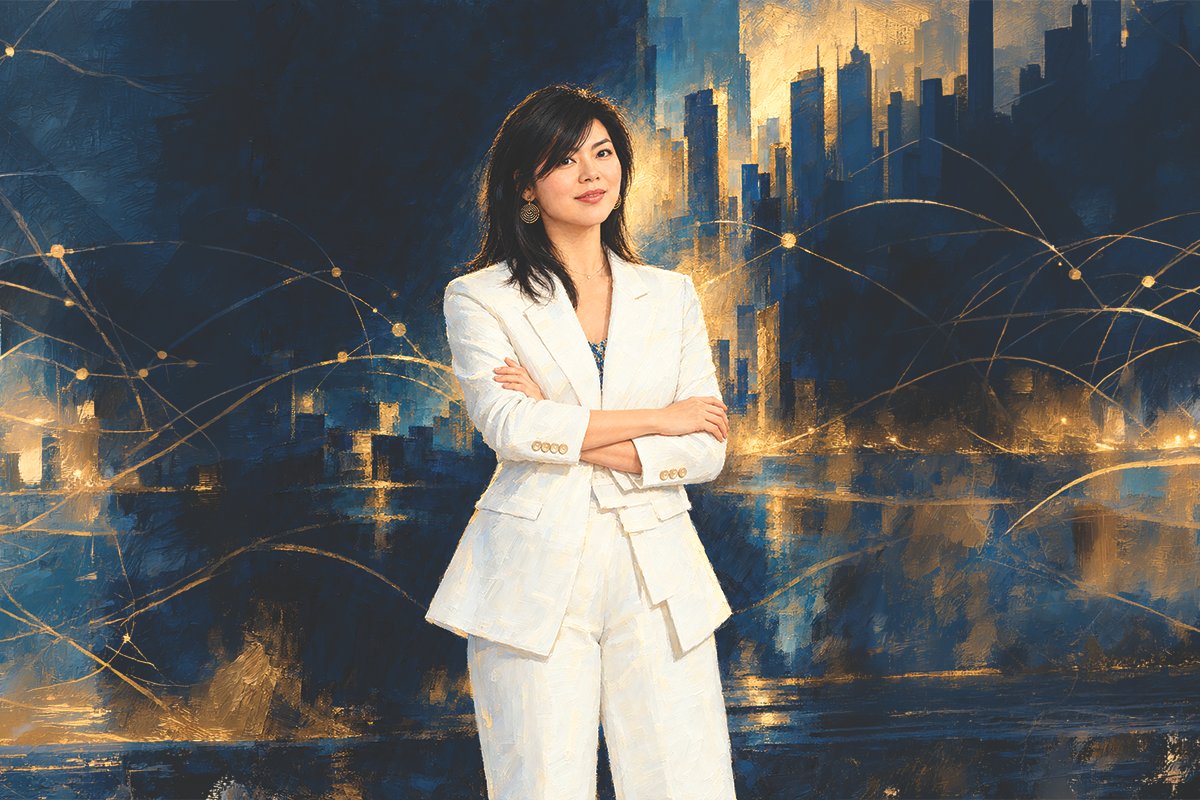
PHOTO: Author Stuart Tudor, creator of the Eight Nightmares Collection, blending surreal horror and human emotion in unforgettable storytelling.
Emerging Horror Author Stuart Tudor Explores The Boundaries Of Fear, Fantasy, And Hope In His Riveting Eight Nightmares Collection
Stuart Tudor’s Eight Nightmares Collection blends surrealism, psychological depth, and horror, offering readers a striking journey through fear, imagination, and the enduring human spirit that fights to overcome darkness.
Stuart Tudor stands at the forefront of a new generation of horror authors—bold, imaginative, and unafraid to confront the darkness that resides in both dreams and reality. His Eight Nightmares Collection is a hauntingly beautiful exploration of fear, perseverance, and the surreal, weaving together stories that challenge readers to face horror not just as entertainment, but as reflection and revelation.
A master of atmosphere, Tudor “paints with words,” crafting worlds that are as visually arresting as they are emotionally stirring. His writing delves into the psychological and the fantastical, exploring the fine line between terror and transcendence. Each tale reveals his profound understanding of the human condition—its vulnerabilities, its resilience, and its endless capacity to seek meaning even amid the macabre.
Tudor’s hauntingly poetic storytelling and vivid imagery establish him as a bold new voice in modern horror fiction.
Mosaic Digest is honoured to feature Stuart Tudor, a visionary storyteller whose passion for the craft and fearless imagination remind us that horror, at its best, is not just about fear—but the hope that survives it.
What inspired you to create the Eight Nightmares Collection and what do you hope readers take away from the series.
It all started with a poem I wrote in high school; it was about a puppet becoming aware during a performance and the horror of that event. Going back to the poem as a young adult I decided to write the idea into a short story, and that spiralled into a spawling eight-episode epic across time and space! Things have a habit of starting small and growing into glorious flowers with me. Now if there is anything I would want my readers to take away is that horror, much like history, doesn’t repeat but often rhymes. Horror is universal but so is the hope of survival and perseverance. Not all stories have happy endings, but we must fight as hard as we can against real and fictional nightmares. Horror is unavoidable but can be overcome.
“Horror, much like history, doesn’t repeat but often rhymes.” – Stuart Tudor
How do you come up with the ideas for your horror stories, and do you draw from personal experiences.
There is always a piece of me in each of the stories, sometimes more of myself then others. But ideas come to me all the time, be it from history, personal experience or the news. I am always interested in writing people who are not me, I want to challenge myself with learning about cultures I am not familiar with, as there is always a story waiting. Ideas for what scare me are always being dreamt up, it’s how I work in all honesty. I have a very active imagination, along with my love for a challenge in my writing, keeps me on my toes.
“There is always a piece of me in each of the stories.” – Stuart Tudor
Your stories often explore dark themes and settings, what do you think is the appeal of horror fiction to readers.
Horror is a safe space to confront and explore the darkness of the individual or societal levels. There is a thrill see the killer or the monster, intrude upon our lives that would be too much in the real world. Horror I would like to believe helps us express our anxieties and make sense of what are often senseless acts of cruelty in the world. I think that is what makes the appeal of horror fiction to the learned reader. I hope that the appeal of horror fiction to my readers is to invigorate their brains and thrill the senses.
Can you tell us about your writing process and how you balance writing with your other pursuits, such as studying for your degree in English.
With very careful balance, I am very well organised with my time and priorities. I also have the strength to ensure that I need to write at least a few pages every day. That is the important thing, you need to be willing to write every day, you need to squeeze in time whenever you can and be consistent in both. Writing anything, much like any artform is not a race but a brisk walk. You cannot rush art, no matter the size of the fanbase. Even if writing isn’t your main job, you are responsible for ensuring the best quality product for your fanbase in a clearly communicated timeframe.
How do you ensure that your stories are visually and viscerally striking, as mentioned by one of your reviewers.
I follow the philosophy of “painting with words.” That is, I try to craft an image of beauty, or horror using words. This helps paint the atmosphere, the characters and the visuals. I pride myself in making images you can feel and taste. My goal always is drawing the reader into the world and keep them there. The horror scenes as well are very important naturally, I want the reader to be there with the protagonist, to feel everything they feel, the good and bad.
Your stories often feature elements of the surreal and fantastical, how do you balance these elements with the horror aspects of your tales.
They complement the horror, surrealism is a break from reality, allowing for the unpredictable and weird that enables me to create suspense and thrills. The fantastical too allows for unexpected horror, I love the use of metaphor and personification, and you can’t do that as much with a purely realistic kind of horror. While I do respect the hell out of stories like Cujo or The Silence of the Lambs, the horror of a well-designed monster rich with meaning is more enjoyable for me (and hopefully my audience too). Surrealism and supernatural elements are tools the writer uses to make for compelling storytelling.
What do you think is the most challenging part of writing horror fiction and how do you overcome these challenges.
The most challenging thing about horror fiction is the content, I as a horror author sometimes must go to dark places. And as I must imagine it to paint it, I must put myself in the image itself. This can be very distressing to me, as I can find myself in places that are legitimately terrifying. Editing my stories sometimes results in me getting nightmares from them. Overcoming this is simply a trial of strength and determination. I am making what scares me so I hope that the fear can be transferred to the reader as well. I guess that this also shows that I haven’t gotten numb to it, which is a relief to me.
What advice would you give to other authors who are looking to self-publish their own horror stories and build a following for their work.
Work hard and often, put yourself out there on social media and connect with your fellow authors. You live and die on the connections you make. Always, always have an editor, nothing is worse for a reader then to have a typo throw them out of the world. Be comfortable with the material you are writing and always have empathy for the characters you are writing. Horror without empathy is a gruesome spectacle without purpose and you don’t want that. Pity the protagonist as they struggle and try to give them a way out whenever you can. But if there is no escape, then have them fight every step of the way, they must try even if it is impossible. Horror without hope is passive nihilism, suffering without meaning and acceptance of the worthlessness of human life.