





Wendy Rosendal: Bridging Generations with AI and Heart

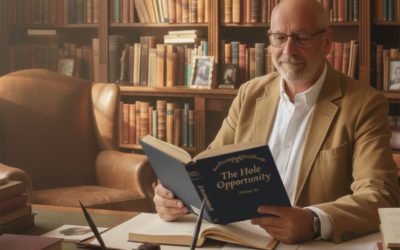
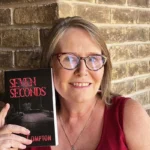
Photo: Wendy Rosendal, author of AI for the Ageless Mind, smiles warmly, holding her book—a testament to bridging generations with technology and compassion.
How Wendy Rosendal is Making Technology Accessible and Empowering for All Ages
Wendy Rosendal, a former graphic artist turned digital nomad, inspires readers with her book AI for the Ageless Mind, blending humor and hope to show how AI can enrich lives across generations.
W endy Rosendal is a storyteller, a tech enthusiast, and a guide for those navigating the ever-evolving digital landscape. A Baby Boomer who once wielded paintbrushes as a graphic artist, Wendy embraced the digital revolution with an open mind and a thirst for understanding. Her transition from analog to digital not only shaped her career but also ignited a passion for making technology accessible and empowering for all, especially those who might feel left behind by rapid advancements. Now a digital nomad, Wendy has dedicated herself to bridging the generational tech gap with warmth, humor, and heart.
Her book, AI for the Ageless Mind, is a testament to her mission. It’s not just a guide; it’s a lifeline for tech-shy adults who yearn to stay sharp, connected, and engaged in a world increasingly shaped by artificial intelligence. Wendy’s approach is both practical and compassionate, blending real-life stories with easy-to-understand tools that demystify AI. She doesn’t just explain technology—she shows how it can enrich lives, preserve memories, and foster connections across generations.
At Mosaic Digest, we are thrilled to feature Wendy Rosendal. Her insights into the intersection of aging and technology are both timely and transformative. In a world where AI often feels intimidating or impersonal, Wendy reminds us that technology, when used thoughtfully, can be a source of joy, creativity, and human connection. Her work is a beacon of hope for readers who want to embrace the digital age without losing their humanity.
Wendy Rosendal’s AI for the Ageless Mind is a heartfelt guide,
making technology approachable and empowering for tech-shy adults.
Join us as we dive into Wendy’s journey, her inspiration, and her vision for a future where AI empowers the ageless mind. Whether you’re tech-savvy or tech-shy, Wendy’s wisdom will leave you inspired to explore the possibilities of AI with curiosity and confidence.
Welcome to the Mosaic Digest interview with Wendy Rosendal—a conversation that promises to enlighten, engage, and uplift.
Your book, AI for the Ageless Mind, explores the intersection of aging and technology. What inspired you to delve into this topic?
We all have that parent, aunt, or neighbor who still grumbles at their smartphone, ducks out of group chats, or insists they don’t need AI or the internet. You’ve tried explaining how it could help them—keep them safer, sharper, more connected—but it usually ends in eye-rolls or a change of subject. I wanted to make the transition from analog childhood to digital adulthood intriguing and exciting. AI should be a playground for older, wiser minds, not a hurdle. My book came from wanting to share my excitement in the potential of AI, showing how tech can keep us sharp and connected, not sidelined, with stories and tools that make it feel approachable, not scary.
How do you envision AI enhancing the cognitive well-being of older adults without compromising human connection?
AI can be a brain booster for older adults, like a fun puzzle that keeps the mind sharp. Tools and apps can spark creativity and memory without overwhelming anyone. My book shows how to use AI selectively to stay engaged. It’s not about replacing hugs or coffee dates but enhancing them, like when I taught my octogenarian mother to use a video conferencing app for our daily talks. It’s about blending tech with heart, so we feel more connected to family and friends, not less human.
In your research, what surprising benefits of AI did you uncover for seniors?
I was amazed to find AI’s versatility for seniors—it’s not just business or techy stuff! Apps can identify plants on walks, keeping minds active, create music for relaxation, or write poetry for lifting spirits. For example, how AI journaling apps help seniors record life stories, preserving legacies while boosting memory. Another gem: AI-driven fitness trackers tailor gentle exercises, improving physical health. These tools, shared in my book’s QR codes, make daily life more engaging. They’re practical, fun, and help adults stay curious and connected without needing to be tech wizards.
Can you share a personal story where technology positively impacted your own or a loved one’s aging experience?
My elderly mother lives alone, and long days felt lonely when I was overseas. Teaching her to use video calling was a game-changer—she could see my face and chat anytime, like we were in the same room. At first, she was hesitant, fumbling with buttons, but once she got it, her eyes lit up. Those daily video calls gave her a new lease on life, breaking up isolation with laughter and stories. It showed me how a simple tool can bring families closer and make aging feel vibrant.
What challenges did you face while writing this book, and how did you overcome them?
The biggest challenge was reaching tech-hesitant readers who rarely go online—my audience isn’t browsing online! I wanted to explain AI without jargon, making it feel like a friendly chat, not a lecture. It was tough to simplify complex tools while keeping them exciting. I leaned on real stories and tested tools myself to find the easiest ones. My solution was adding QR codes to guide readers to free tools and a Facebook group for support, so even beginners could dip their toes in with confidence. As AI evolves daily, the challenge will be to keep my links and suggestions current.
How do you balance the technical aspects of AI with the emotional and psychological needs of the demographic in your writing?
I focus on the human side—how AI feels and what its’ potential is, not just how it works. Wise adults want connection, not confusion, so I share stories, like using AI to create family photo albums, to show tech’s warmth. My book avoids geek-speak, using simple explanations and examples. Chapters like “Technophobe to Technologically Empowered” address fears of being left behind with empathy. I weave in practical tips with emotional wins in an engaging exploration of AI for mature newcomers to cyberspace. I concentrate on clear explanations and real-world, useful applications that make digital technology accessible and intriguing.
What role do you believe caregivers and healthcare professionals play in integrating AI into the lives of older adults?
Caregivers are key to making AI approachable using interesting digital applications for travel, hobbies, and cultural interests. They can use my book as a guide, easing fears of complexity by starting small. They can bridge the gap by demonstrating how AI supports creativity, like writing poetry, while keeping it human with like-minded online communities. The caregivers’ role can be to spark curiosity, not push tech, helping seniors feel empowered rather than overwhelmed by digital tools.
Are there any misconceptions about AI’s role in aging that you aim to address in your book?
Many think AI is cold, complicated, or only for the young, stealing human connection. My book flips that, showing AI as a warm tool for aging well, like storytelling that preserves memories or connects families across miles. I tackle fears of privacy loss by suggesting simple, safe tools. Another myth is that seniors can’t learn tech. Through relatable stories and easy steps, I show AI isn’t about replacing us but enriching our lives with creativity and connectivity.
Looking ahead, what advancements in AI do you hope to see that could further benefit the aging community?
I hope for AI that’s even simpler, like voice-activated apps that guide seniors through tasks with plain language, no tech skills needed. Imagine AI companions that chat about old memories or suggest hobbies tailored to their interests, boosting mood and memory. I’d love mental health tools that deal with issues such as Dementia prevention. My dream is an AI that feels like a friendly neighbor, helping seniors stay independent, connected, and creative, all while keeping their human spark front and center.
For aspiring authors interested in writing about technology and its societal impacts, what advice would you offer to help them succeed?
Write from the heart, not a tech manual—people connect with stories, not specs. My book came alive because I shared my own art-to-AI journey. Focus on your audience’s fears and dreams; for me, it was tech-shy Boomers craving connection and FOMO. Test tools yourself to keep it real, and don’t be afraid to simplify. AI helped me write faster, organizing ideas for my books. Join online groups to stay current. Weave in hope—readers want to feel inspired, not lectured.

EDITOR’S NOTE
Wendy Rosendal’s AI for the Ageless Mind is a heartfelt, engaging guide that makes AI accessible and empowering for all ages. With humor, real-life stories, and practical tools, it inspires readers to embrace technology to stay sharp, connected, and human. A must-read for anyone curious about AI’s potential to enrich life and legacy.