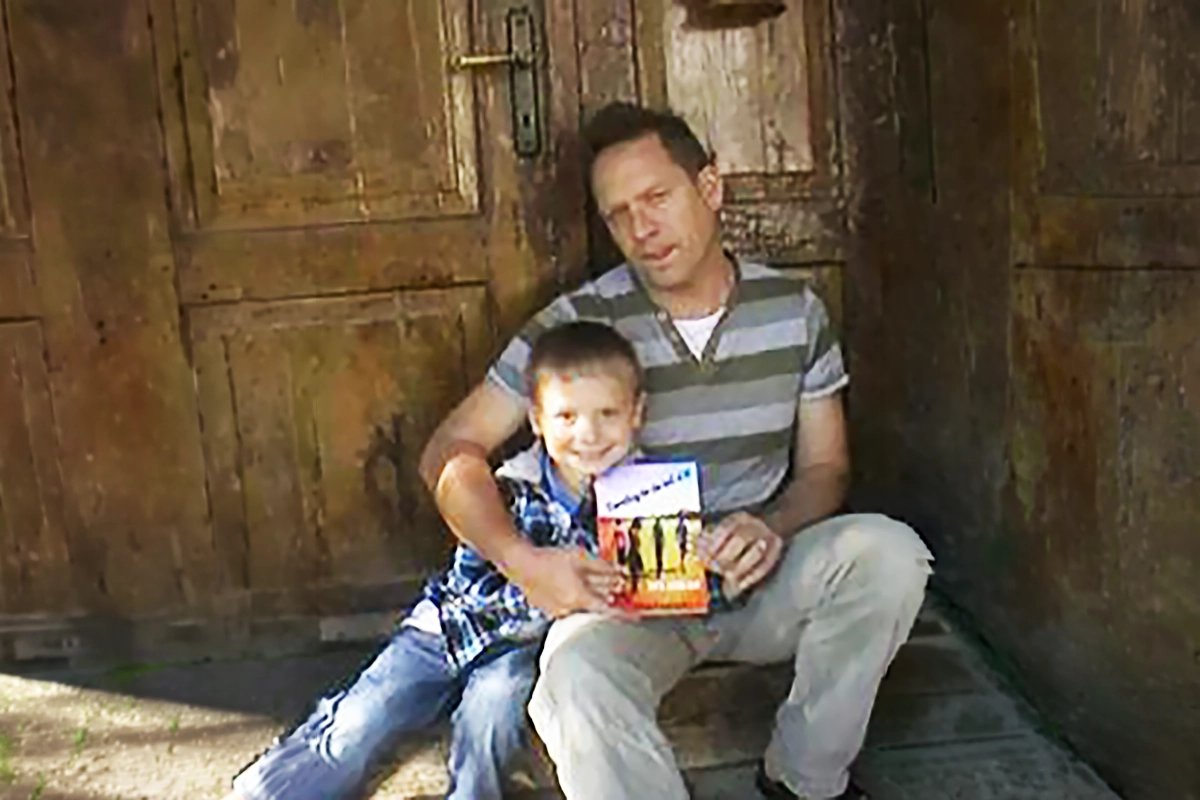













The Stories That Emerge From the Wild by Cary Johns Griffith
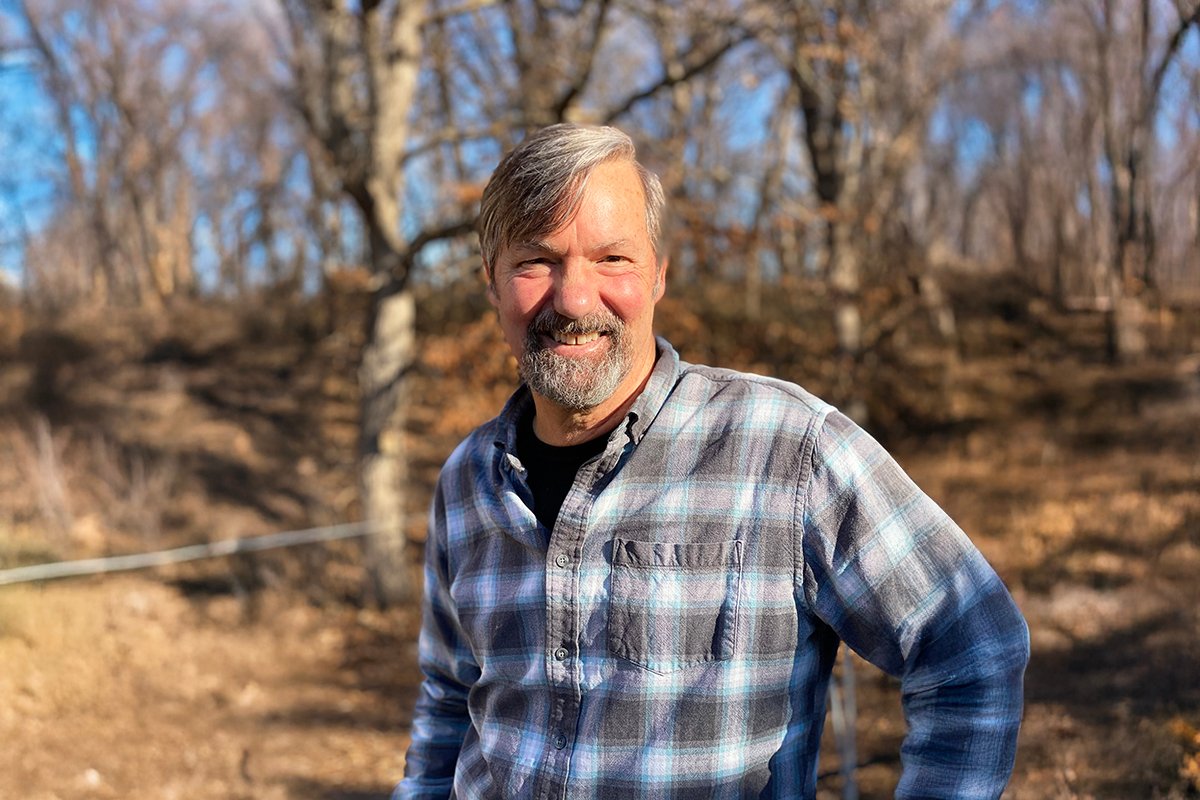
Photo: Cary Johns Griffith: Celebrating Minnesota’s Wild Beauty and Crafting Stories Where Nature Meets Mystery
Exploring Nature’s Mystery and Humanity’s Darkness
Cary J. Griffith draws on his love for the outdoors and Minnesota’s landscapes to craft gripping mysteries and authentic non-fiction tales blending nature with crime and drama.
C ary J. Griffith has carved a distinguished niche for himself as a masterful storyteller whose works seamlessly blend the majesty of the natural world with the gripping allure of mystery and crime. With an impressive bibliography spanning both fiction and non-fiction, Griffith’s deep connection to Minnesota’s diverse landscapes and wild beauty serves as both inspiration and backdrop for his compelling narratives. His ability to transport readers into vividly imagined settings, imbued with authentic ecological detail and poignant human drama, is nothing short of exceptional.
The award-winning Sam Rivers Mystery Series stands as a testament to Griffith’s skilful weaving of gripping plots, complex characters, and the untamed elements of wilderness. Beginning with Wolf Kill (2021) and continuing through Cougar Claw (2022), Killing Monarchs (2023), Dead Catch (2024), and most recently Rattlesnake Bluff (2025), this captivating series has earned Griffith widespread acclaim for its remarkable ability to intertwine environmental themes with the dark intricacies of human nature. Fans of the series eagerly await the release of its sixth instalment, Grizzly Narrows, in June 2026.
Griffith’s prowess also extends to non-fiction, further demonstrating his dedication to preserving and exploring the natural world. Titles such as Lost in the Wild (2007), Opening Goliath (2009), Gunflint Burning (2019), and the upcoming Gunflint Falling (2024), are meticulously researched works that highlight his commitment to truth and accuracy. With each book, Griffith not only educates readers on wilderness survival and ecological issues but also evokes a profound respect for the environments he brings to life. His forthcoming non-fiction release, The Prism of the Wolf (2026), promises to further cement his reputation as a passionate advocate for nature.
This interview delves into the mind of an author who masterfully balances fact and fiction, all while drawing deeply upon his profound love for the outdoors. From the inspiration of his Huck Finn-like childhood in Eastern Iowa to his meticulous research process, Griffith offers valuable insights into the creativity and dedication that underpin his work. Through his words, readers will gain an appreciation for the intricate relationship between nature and narrative, which lies at the heart of his exceptional body of work.
Cary J Griffith is a masterful wordsmith who merges nature’s majesty with the compelling complexities of crime fiction.
What inspired you to focus your writing on the natural world and its intersection with mystery and crime?
Writers are told to write what they know and love. I love the natural world, and I am drawn to the drama of mystery and crime. When asked for advice about living your life, the comparative mythologist Joseph Campbell told his students to “follow your bliss.” Setting my novels in nature is one way I can be steeped in the elements that comprise my bliss.
How did growing up in Eastern Iowa influence your love for wild places and your writing?
I sometimes think of my childhood as a Huck Finn experience, if after Huck’s daily excursions in the woods and river he returned home to a house in the suburbs with a warm-cooked meal, a bed, and a roof over his head. Our house was perched on the edge of forest and stream, which is where I spent most of my early days. Being immersed in the verdure of wild Eastern Iowa had a profound impact on my life. It was natural – when I later became a writer – to write about wilderness.
“Spend a lot of time in outdoor pursuits and just as much time learning about the wild places in which you go.” – Cary J Griffith
What challenges do you face when blending environmental themes with crime fiction in your novels?
My novels involve the nefarious and inhumane use of the natural world to perpetrate a crime – usually involving murder and greed. My biggest challenge is finding a way to incorporate the misuse of a particular species (e.g., rattlesnakes, a cougar, wolves, etc.) in the illegalities being committed.
How do you research the natural and ecological elements in your books?
I spend a lot of time online, using various sources to understand my novels’ “natural and ecological elements.” I also search out subject matter experts and interview them to make sure what I am saying – about a landscape, a species, an administrative process, etc. – is correct. Whatever you read in a Sam Rivers Mystery, I take pains to make sure it is going to be accurate.
“Practice, practice, practice. Try to find a time to write every day and do it.” – Cary J Griffith
Can you share any memorable experiences from your time spent in wild places that influenced your writing?
I once embarked on a two-hour hike into the woods along the North Shore of Lake Superior. I was with my two sons, a friend and his son. It was late March. The day was unseasonably warm, but this far north snow still covered the ground. We became lost and six hours later found our way to safety before the sun went down. I used that experience to research and write my first non-fiction book – Lost in the Wild. I have also used it to convey the potential danger of wilderness in my mysteries.
What is the significance of the eastern massasauga rattlesnake in your latest novel, and why did you choose it as a focal point?
The appearance of the eastern massasauga rattlesnake in Rattlesnake Bluff was significant for three reasons. First, it has been extirpated from Minnesota for more than two decades, so its appearance in the state’s bluff country was the trigger to get Sam Rivers to investigate. Second, rattlesnakes are poisonous creatures and their use by the story’s murderer, a venomous viper himself, is fitting. Finally, Mayans (and other native cultures, and Sam Rivers) believe snakes are sacred creatures. Their role as intermediaries between the living and the dead is played out in the novel, and in the antagonist’s final demise.
How do you develop the character of Sam Rivers and keep him engaging through multiple books?
Sam Rivers is a dynamic character, in that he changes and grows with each subsequent novel. Consider his romantic relationships, for instance. In Wolf Kill (first novel) Sam is involved in an on-again, off-again relationship with a journalist ten years older than himself. By the third novel fling is over and he meets a woman to whom he will eventually, by the fourth novel, propose marriage. By the fifth novel they’re planning their wedding. And by the sixth novel (due out June 2026), his wife has news to share – she’s pregnant. Hopefully readers are as interested in the evolving lives of these characters over time as they are in the stories themselves.
Do you have a favourite location or natural landscape that inspires your writing?
Minnesota. While the state has lots of wilderness, lakes and rivers, it also has bluff country, prairies, and much, much more. The Sam Rivers mysteries explore Minnesota’s varied landscapes, which often play a key role in the story being told.
How do you balance writing nonfiction with fiction, and do you approach them differently?
With non-fiction the plot has essentially been given to you. In Gunflint Burning I told the story of the Ham Lake Fire of 2007; how it started, the firefight and its aftermath. With fiction, the writer needs to create the plot. The treatment of characters, too, is different. With non-fiction you need to conduct lots of interviews and speak with lots of people who will play key roles in the story you’ll be telling. In fiction you’re again conjuring these people out of your imagination. That said, I try to get into the heads of my real people (in non-fiction) the same way I do in fiction. In that way, the writing of each genre is the same.
What writing tips would you offer to aspiring authors?
Practice, practice, practice. Try to find a time to write every day and do it. Over time, practice will make you a writer.
What advice would you give to aspiring authors about building a career in writing?
Practice, practice, practice. And pay attention to opportunities that surface along the way.
Do you have any advice for other authors looking to incorporate elements of nature and environmental themes into their work?
Spend a lot of time in outdoors pursuits. Hiking, biking, fishing … whatever it happens to be. And spend just as much time learning about the wild places in which you spend time.