












Building Sticky Cultures with Leadership Expert Sean Glaze
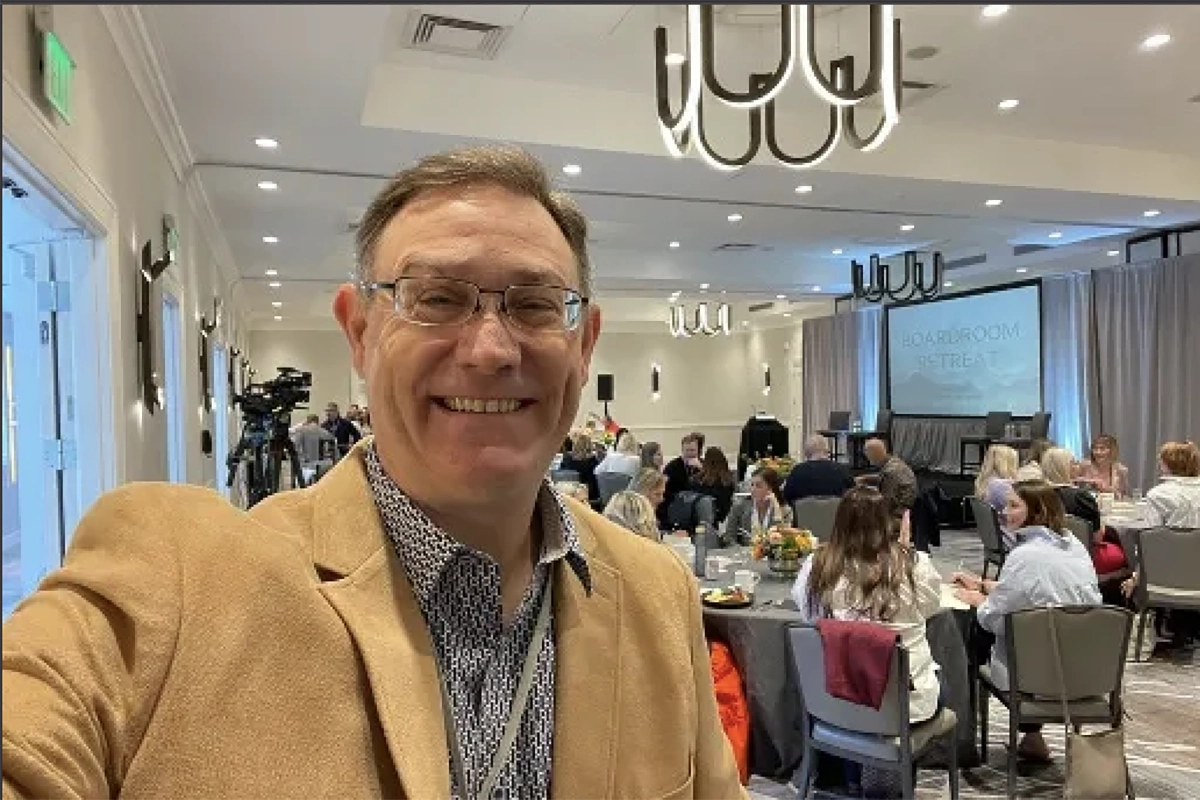
Photo: Sean Glaze – Inspiring Leaders and Teams With Proven Insights on Leadership, Culture, and High-Performance Team-Building.
The Blueprint for Sticky Cultures and Successful Teams
Sean Glaze offers actionable strategies for building connected, collaborative, and accountable teams. He reveals lessons on leadership, culture, and team-building drawn from years of coaching success and organisational experience.
S ean Glaze is a brilliant force in the world of leadership and team development, seamlessly marrying his extensive experience as a championship basketball coach with his deep understanding of organisational dynamics. Sean’s transformative works, including his bestselling books like Rapid Teamwork, provide groundbreaking insights for leaders striving to create engaging, high-performing cultures. Through his impactful keynotes, parable-style books, and interactive workshops, Sean empowers leaders to build “Sticky Cultures” that inspire innovation, accountability, and collaboration. This interview is a masterclass in leadership and culture-building wisdom.
Sean Glaze is a powerful voice in leadership, whose expertise transforms leaders and teams with clarity, connection, and purpose.
What inspired you to move from coaching to writing and speaking about team-building and leadership?
My early years as a basketball coach taught me that the biggest barrier to success wasn’t strategy or talent… it was culture. After leading teams from losing records to winning seasons, I began seeing the parallels between high-performing sports teams and high-performing organizations. Leaders who could get individuals to trust one another, communicate well, and take ownership of outcomes created environments where people thrived. That realization inspired me to shift my focus from coaching the game to coaching leaders and their teams – through writing and speaking – so I could help organizations build cultures where teamwork isn’t just practiced but lived.
Can you share the key lessons you learned from your coaching experience that shaped your approach to team building?
Coaching taught me that success happens when individuals prioritize shared outcomes over personal agendas and when leaders intentionally create the conditions for trust, accountability, and connection. I learned that praise validates, but that growth often comes from discomfort when team members remain coachable and open to feedback. These insights laid the foundation of my work: teams succeed not because they’re perfect, but because they’re engaged, connected, and constantly improving together.
“We are now three weeks post-event and our team is still talking about Sean and the event. They want him back already! They continue to talk about what they learned in the event.” – Ray Mashburn, Executive Director at WAIKATO
How did you develop the concept of “Sticky Cultures,” and what does it mean for organizations?
Sticky Cultures came from observing that many companies invest heavily in strategy but neglect the human dynamics that make strategy executable. A “Sticky Culture” is one where people feel connected to the work, to one another, and to the values of the organization; they stick around because they’re engaged and feel a sense of purpose. It’s about creating rituals, conversations, and expectations that make positive behaviors repeatable and meaningful so that the right culture becomes self-sustaining.
Which challenges do leaders most commonly face when building stronger teams, and how can they overcome them?
The most common challenges I see are lack of clarity, weak relationships, and inconsistent accountability. Leaders often assume people “get it” when they haven’t clearly defined expectations or provided a shared vision. Overcoming these obstacles requires intentional leadership… listening with curiosity, communicating clearly, modeling the behaviors you want to see, and reinforcing those behaviors through consistent feedback and recognition. Strong teams aren’t accidental; they’re the product of repeated, deliberate behaviors.
What was the inspiration behind the book Rapid Teamwork, and how much of it is drawn from your personal experiences?
Rapid Teamwork was inspired by the need for a simple, actionable framework that leaders could use to transform a group of individuals into a cohesive team quickly. It draws heavily on my personal journey of turning struggling teams into high performers – whether on the court or in corporate environments – and distills those lessons into five essential ingredients every great team shares. The stories in the book mirror real challenges and victories I’ve witnessed, making the insights both relatable and practical.
“Great cultures aren’t created by accident – they’re built by leaders who choose clarity over ambiguity, connection over convenience, and accountability over excuses.” – Sean Glaze
How do you prepare for delivering a keynote speech or workshop for an organisation with unique team dynamics?
Preparation begins with listening. I ask leaders about their goals, challenges, and the specific outcomes they need from the session. Understanding team dynamics allows me to tailor content, stories, and activities so that the experience resonates and leads to actionable steps. I also weave in frameworks that teams can apply immediately to foster connection, clarity, and collaboration.
How do you keep your team-building strategies fresh and relevant in today’s ever-changing corporate environments?
I stay curious and continually learn from leaders in diverse industries. I also adapt timeless principles (trust, clarity, accountability, relationship-building) to current team structures, including hybrid and remote dynamics. I evaluate cultural trends and integrate tools that help leaders engage people meaningfully, regardless of organizational size or industry.
What habits or practices do you recommend to leaders who want to foster accountability in their teams?
Leaders who foster accountability do three things consistently: they clarify expectations, they check in with genuine curiosity, and they recognize progress publicly. Accountability isn’t about checking boxes; it’s about building a rhythm of follow-through and support so team members feel empowered to meet commitments and learn when they don’t.
What writing tips do you have for aspiring authors who want to communicate complex concepts effectively?
Write from experience and focus on simplicity. Complex ideas become accessible when framed through stories, analogies, and real-world examples. Resist the urge to over-explain; instead, guide readers to insights through vivid narratives that illustrate the “why” before the “what.”
What advice would you give to someone aspiring to write books that inspire and drive professional transformation?
Serve your reader first. Understand their challenges intimately and offer solutions that are practical and relatable. Transformation happens not through inspiration alone, but through clear, actionable guidance that leaders and teams can implement immediately.
How do you stay motivated as an author and speaker, and what helps you overcome creative blocks?
My motivation comes from the impact I see when leaders shift their behavior and teams begin to thrive. Creative blocks are overcome by returning to curiosity — asking questions about the problems leaders face and allowing those questions to spark new angles and stories that speak directly to those needs.
Are there any books, tools, or resources you would recommend to new authors looking to navigate the writing and publishing journey?
Yes, read broadly in your genre, study narrative craft (particularly business parables like Patrick Lencioni’s The Five Dysfunctions of a Team), and invest in communities of writers where feedback is generous and honest. Tools like structured outlines, writing sprints, and peer review groups can keep momentum strong.