











Paula Munier Shares the Inspiration, Craft, and Heart Behind Her Mercy Carr Mysteries and Love for Hero Dogs
Award-Winning Author Blends Mystery, Nature, And Unforgettable Characters
Paula Munier opens up about her career journey, love for nature, passion for hero dogs, and the heartfelt themes that enrich her Mercy Carr mystery series.
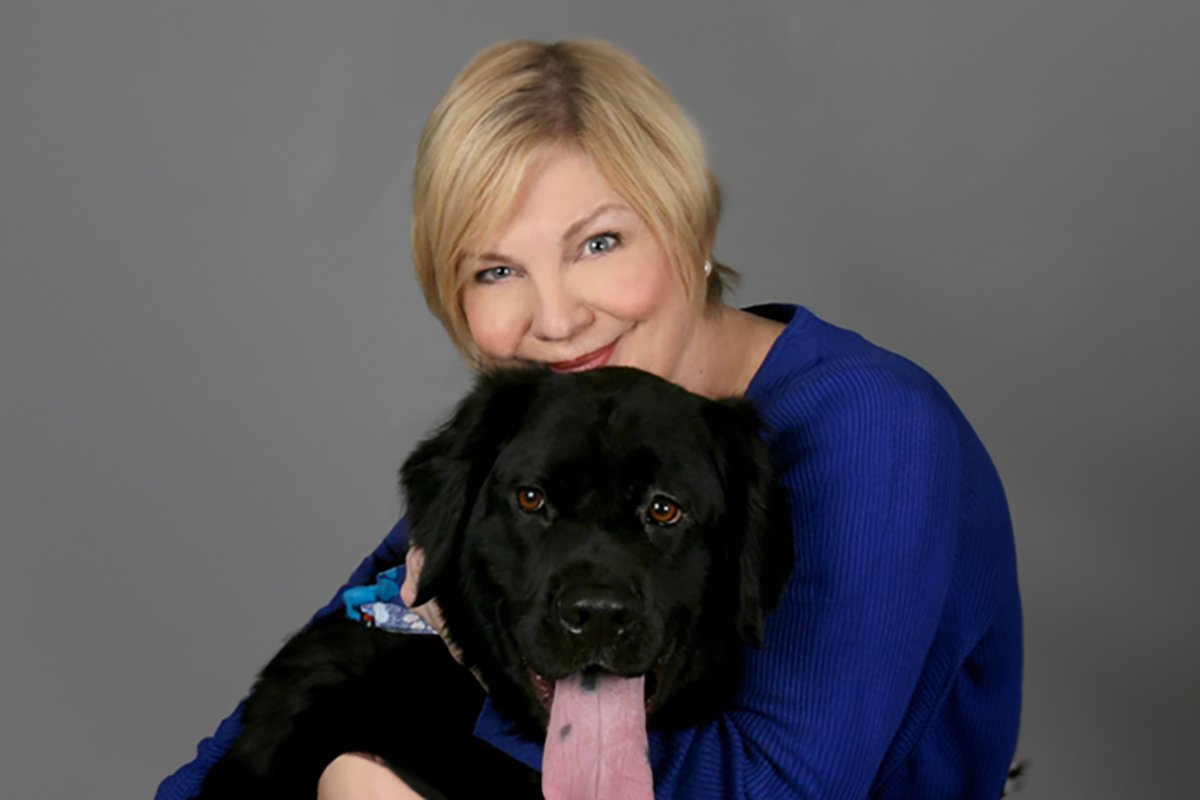
P aula Munier’s exceptional talent for weaving thrilling plots, heartfelt emotion, and a love for nature makes her one of today’s most compelling voices in crime fiction. As the USA TODAY bestselling author of the beloved Mercy Carr Mysteries, Paula’s stories are as much about solving crimes as they are about exploring the resilience of the human (and canine!) spirit. Her passion for the natural world and her admiration for hero dogs shine brilliantly through her books, which blend suspense, heart, and fiercely authentic characters. Titles like A Borrowing of Bones, Blind Search, The Wedding Plot, and her newest release, The Night Woods, illustrate her gift for combining page-turning mysteries with unforgettable emotional depth.
At Mosaic Digest Magazine, we’re proud to feature Paula in this special interview, where she opens up about her multifaceted career as a journalist, literary agent, and novelist, and how her love for New England, rescue animals, and storytelling inspires her work. Dive in as Paula shares the creative process behind her Mercy Carr series, her literary influences, and the profound connections she’s built with readers around the world. Paula Munier isn’t just an author—she’s a literary trailblazer whose stories resonate long after the final page is turned.
How has your diverse background—from journalist to editor to literary agent—influenced your voice as a novelist?
An interesting question, and one that has myriad answers. The voice of the reporter is the objective accuracy of the observer; the voice of the editor is the encouraging calm of the midwife; the voice of the agent is the pragmatic pitch of the salesperson. Writing in the voice of the novelist requires all this and more.
I learned a lot about voice when I was a reporter, not so much from writing news stories but from writing a weekly column, which meant abandoning impartiality and embracing commentary. As an editor, I learned to spot showing off and overwriting, which can ruin a good voice like too much salt can ruin a good dinner. And as an agent, I learned that a persuasive voice is a voice that sells books. Or as Lee Child once told me, “Charm is underrated.”
What inspired you to transition from agenting to writing A Borrowing of Bones, and how did your experience with rescue dogs shape the series?
I was a writer first. I kept on writing while I worked as an acquisitions editor and agent. Phil Sexton of Writers Digest Books asked me to write a book called The Writer’s Guide to Beginnings. While I had wonderful examples of great openings from literature, I needed a sample first chapter that I could use to illustrate techniques of writing and revision. I couldn’t use anyone else’s first chapter, so I wrote one myself.
I’d rescued several dogs and cats, and more importantly, I’d just volunteered at a fundraiser for Mission K9 Rescue, a nonprofit that finds forever homes for working dogs who’d finished their military service. I fell in love with the dogs and the handlers I met there. There was this one Malinois…. So I wrote him into that first chapter as Elvis, the smartest dog in the world.
My agent Gina Panettieri read sample chapter, and told me “This is great. Write that book.” Since I always do what my agent tells me to do, I did—and she sold it. That was seven books ago, and I’m writing book eight right now.
In The Night Woods, you weave in themes from The Odyssey. What drew you to that classical inspiration, and how did it shape the narrative?
My publisher asked me for some ideas for new books in the series. I jotted off a quick blurb about Mercy befriending an erudite hermit in the woods. I named him Homer (because, well, erudite) and gave him a dog named Argos (as one would), and put a dead body in his remote cabin in the Green mountains. Thereby without a second thought sentencing myself to The Odyssey.
Which worked out fine in the end, because vets with PTSD are often given The Odyssey to read and study as part of their therapy—Odysseus being the poster boy for PTSD. Mercy and Elvis both served in Afghanistan, suffering PTSD as a result, so it all came together quite nicely. Which just proves that my sub-conscious is far smarter than I am.
The Mercy Carr series often explores themes like trauma, homecoming, and environmental issues. How do you balance those real-world elements with the pace of a mystery?
Job #1 is telling a good story. But good stories are always about something, and these are the somethings that preoccupy me. I was an Army brat, and that peripatetic childhood and all the military men and women I knew then and know now inform my work. I live in the wilds of New England, and as a Natural Resources Steward of New Hampshire I volunteer to help preserve and protect the flora and fauna of our beautiful state. I can’t help but write about the glories of the natural world and the challenges that threaten it.
What moment or recognition in your career has surprised or moved you the most so far?
I am surprised and delighted every single day when I hear from readers from all over the world, who don’t know me from Adam, and yet still somehow read my books, and write to tell me about their own dogs and cats and gardens and woods and how could I possibly not know that dogs should never be fed people food.
Perhaps the most moving moment came when one of my regular correspondents wrote to tell me that I hadn’t heard from her for a while because she’d been ill, and wasn’t sure she would live to read the next book. But she did, and she was so glad—but no gladder than I.
With The Snow Lies Deep on the horizon, what new dimensions of Mercy and Elvis are you excited to explore in this next chapter?
In THE SNOW LIES DEEP, it’s December, and Mercy and Elvis are plunged into a devilish adventure that threatens to ruin baby Felicity’s first Christmas. Great fun to write; the symbols and rituals of the holiday season play right into a mystery writer’s hands. Winter Solstice bonfires and yule logs, Hanukkah candles and Christmas trees and New Year’s fireworks—all are efforts to shine a light in the darkness when winter comes. Which is what Mercy and Elvis attempt to do in every book.
And that’s what crime fiction is really all about, isn’t it?