











Sandra L. Kearse-Stockton Shares Her Journey of Resilience and Storytelling in Literature and Life

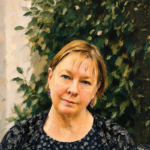
Photo: Sandra L. Kearse-Stockton: An inspiring author, military veteran, and advocate whose powerful stories illuminate themes of resilience, healing, and hope.
Inspiring Stories of Overcoming Adversity and Embracing Resilience
Sandra L. Kearse-Stockton reflects on her life’s journey, sharing honest stories of resilience, domestic challenges, healing, advocacy, and her passion for preserving family legacy through impactful storytelling and literature.
S
andra L. Kearse-Stockton is a guiding light in the world of storytelling, advocacy, and resilience, and Mosaic Digest is proud to feature her inspiring journey in this issue. As an accomplished author, Sandra has touched countless lives through her works, most notably her powerful trilogy, 480 Codorus St., in which she masterfully paints a vivid portrait of life during the 1950s. These stories address themes of domestic adversity, authority, and perseverance—topics that reflect Sandra’s own experiences with grace and unflinching honesty. Through her words, Sandra offers not only captivating narratives but also a beacon of hope and empowerment for those navigating their own challenges.
Her literary works are deeply personal yet universally resonant, providing insight into the complexities of family, race, and community across generations. Sandra’s dedication to fostering understanding, whether through her 26 years of mentoring over 100 children or co-authoring books like Runaway Train with her daughter, exemplifies the transformative power of compassion and storytelling. Her voice is one of courage, healing, and unwavering advocacy, and her books serve as timeless treasures—gifts of wisdom to be passed down through generations.
At Mosaic Digest, we celebrate Sandra L. Kearse-Stockton not only as an author but as a tireless advocate who has turned her own experiences into lifelines for others. In this enlightening interview, we delve into her motivations, her unwavering commitment to creating change, and the legacy she hopes to leave behind. Sandra’s resilience and creativity elevate her work, making the world richer through her stories. We are honored to feature her in the pages of our magazine and invite our readers to experience the profound impact of her words firsthand.
Sandra L. Kearse-Stockton transforms personal struggles into empowering stories, creating lifelines of hope with resilience and unparalleled storytelling grace.
Highlights From The Interview
- Motivation behind writing 480 Codorus St. as a legacy gift for her children.
- Sandra’s military background shaped her patience and strengthened her storytelling.
- Memorable experiences from fostering over 100 children, including a life-changing encounter with a teenager.
- Co-authoring Runaway Train with her daughter to address the emotional impact of memory loss.
- Transforming painful memories into healing, benefiting others through reframed life experiences.
- Advice for aspiring authors, including finding legitimate mentorship.
- The importance of family in influencing her writing process and storytelling themes.
Your memoir, 480 Codorus Street, offers a candid look into your childhood in York, Pennsylvania. What motivated you to share such personal experiences with your readers?
In the beginning when I decided to actually sit down and write my first book. The only audience I had in mind was my children. At that time my husband and I had been married 48 years. We sat down one day and had a serious discussion about generational wealth. We knew at that time we didn’t have savings or properties or any other investments to pass on to our children. So I decided that my book about my life would be their generational wealth. Money and investments can be spent and gone but my story cannot. One of things missing in my family is family history, so I wanted to be the start of a new family trend, passing on our history for generations to come.2
“The military taught me patience, which is a much-needed skill of a writer.”
– Kearse-Stockton
Having served in both the Air Force and Army, how did your military background influence your approach to writing and storytelling?
Only a soldier can tell you that the military is one of the most physically and mentally demanding jobs in the world. It taught me patience which is a much needed skill of a writer. There is an old saying in the military,”Hurry up and wait”. So, I became good with patience and resilience. As for as storytelling, I have always been good at it. I am one of seven children, the second oldest and I have always had the opportunity to sit down and tell stories to my siblings, then to my children and now to my grandchildren and great grandchildren. Story telling is my craft.
“Writing gives me a platform to raise awareness.”
– Kearse-Stockton
Your work in foster care is truly inspiring. Can you share a memorable story from your 26 years of fostering over 100 children?
There have been so many memorable stories in my life with being an advocate for and taking care of foster children. Allow me to introduce you to Richard a white young teen at 17. He became one of two teenagers living with us at that time, and that teen was Black. One Saturday afternoon we took the boys out to lunch at Olive Garden. The waitress handed us all menus I looked over at Richard and he had tears in his eyes. I asked him what was wrong and he said that he didn’t know that Black people went out to dinner like White people. My husband and I were kind of surprised but not shocked. I told him it was okay and to select want he wanted eat. Later that evening when he was alone with my husband, he said that his dad was a Ku Klux Klan supporter and would never allow a black person to come into his home. To make a long story short, Richard died in the automobile accident about a year after he left us, my husband and I went to his funeral. While we were there, Richard’s father approached us and introduce himself as Richard’s father. He thanked us for taking care of his son, reached over and embraced Aaron. Now we were in shock! (Theres Always Room for One More, co-authored by Sandra and Aaron Stockton)
In Runaway Train, co-authored with your daughter, you tackle the complex issue of memory loss. What inspired this collaboration, and how did it impact your relationship?
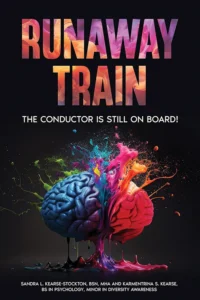
While vacationing in France in March of 2023, our youngest daughter experienced a terrible automobile accident in the United States. We did not know of the accident until we returned home and heard about it from her. Not only was her life altered but so was mine and her father‘s. We became her caregivers and chauffeurs. She has been through surgeries and multiple physical and mental therapies. To see her breakdown when she couldn’t remember things that she always knew, was horrible. Almost 2 1/2 years has passed and she’s still not back to work full-time. I read up on memory lost from injuries, dementia and Alzheimer’s, but they all have a lot of things in common but the most common one is that you lose your memory in stages and if we could stop it in its tracks, what would that take? That is why my daughter and I wrote this book to give people a tool with some ideas of what to do when they first notice memory loss in themselves or loved ones. The name was important because she felt although she was struggling to tell providers and family members what she was going through, she was aware of her deficiencies. (Runaway Train, the Conductor Is Still On Board, co-authored by Sandra L. Kearse-Stockton and Karmentrina Kearse)
Your writing addresses themes of resilience and healing. How do you navigate the emotional challenges of revisiting painful memories in your work?
Before I stand up and pick up a microphone to start to speak. I’m mentally prepared because my negative memories have long since been reframed into learning experiences that may be beneficial to the emotional healing of others.
You’ve been recognised in Pennsylvania’s State Capitol for your advocacy. How do you balance your writing career with your activism?
By deciding what is most relevant to me. Is the cause something I want to fight for or is it something that I need to fight for? Writing gives me a platform to raise awareness.
Family seems to play a central role in your life and work. How do your loved ones influence your writing process and the stories you choose to tell?
My oldest sister was very helpful in clearing up some memories that I had, like growing up as a child in a domestic violence atmosphere. Something that no child should ever have to experience. While I was writing my first book, Surviving Unpredictability, my siblings, supported me even though they did not all agree with what I had to say after reading it. We all lived in the same home, and saw the same scenes play out, but differently in our own minds. As far as my husband and my children, they rooted for me from the beginning, and they still support me on my author journey.
You’ve expressed that “a book is forever.” How do you hope your books will impact future generations?
I believe that my books are very engaging and if one reads them the impact will last a lifetime. I have met many people on this journey and I have told my story many times. There are so many others out there whose stories mirror my story. I hope that the information in my books will help them to write their own story and free themselves of their past. Because everyone has a book or two in them.
Looking ahead, what themes or stories are you eager to explore in your upcoming projects?
I think I have already told all of my life history to date but would like to is explore fiction. As I said before, I’m a good storyteller I think I would do well with fiction.
For aspiring authors, especially those from underrepresented backgrounds, what advice would you offer to help them find their voice and share their stories?
I would advise them to think about getting a mentor and hopefully free. There is so much more out there available online for writers to take advantage of. I had a mentor who was referred to me by my sister who worked for an author. We connected and she mentored me for 10 months at $300 a month. It was well worth it. She got me my first TV interview, radio interview and presented in a magazine. Find one then research them to make sure that they are legitimate. There are so many people out here now scamming new authors, trying to find their way. I have spent thousands of dollars wishing and praying that somebody was gonna really help me. But one thing I want to say to you is do not pay out money anybody who comes to you and says they can do something for you and the first thing out of her mouth is that you need to send them money run. I have a website you can go to it if you need help email me and I will try to answer your question.
Editor’s Note
This insightful book masterfully addresses memory challenges, offering practical solutions, emotional support, and hope for overcoming cognitive struggles gracefully.
Sandra L. Kearse-Stockton and Karmentrina S. Kearse deliver a powerful and practical guide for navigating memory loss. Blending personal experiences with expert insights, this book provides invaluable tools for managing cognitive challenges. From early warning signs to actionable strategies, Runaway Train addresses memory concerns with empathy and clarity. The authors expertly guide readers through treatment options, communication strategies, and lifestyle adjustments, offering hope and empowerment. This essential resource is a beacon for those facing or supporting others through memory struggles.