










Courtney Lillard Creates Rich Worlds and Complex Characters That Defy the Limits of Fantasy Storytelling
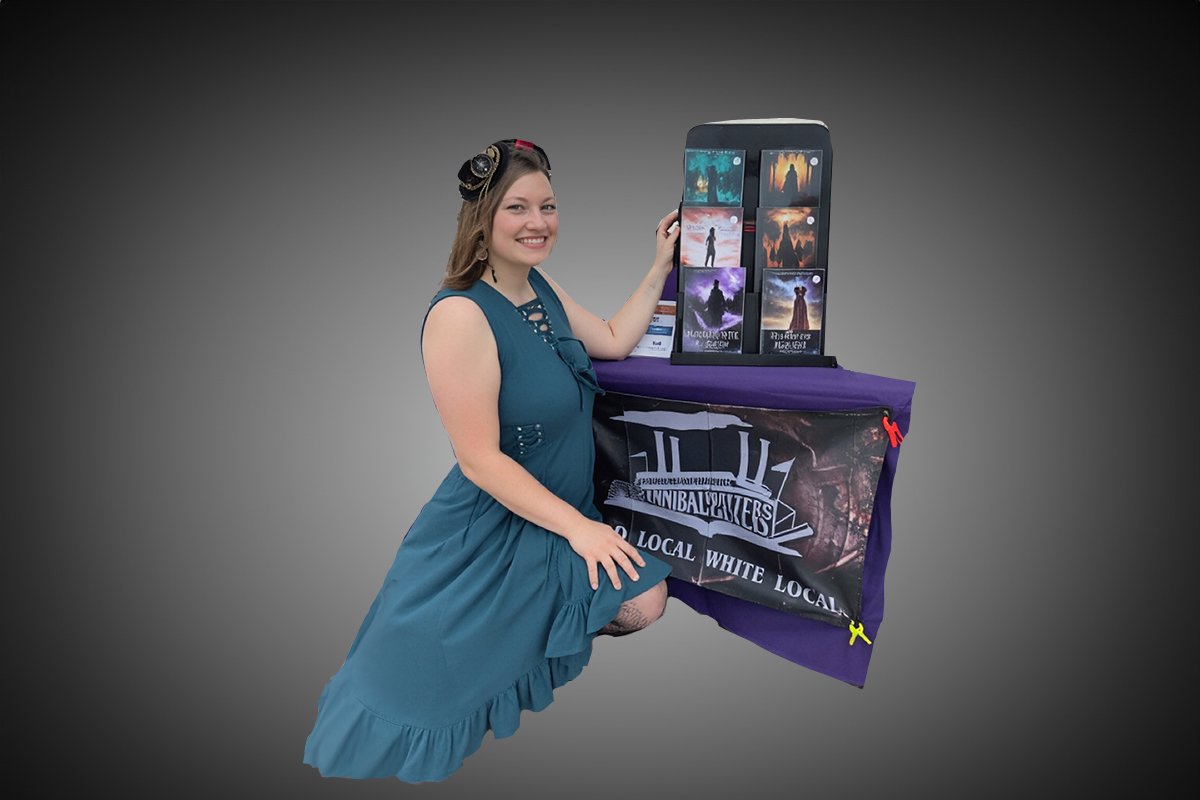
Photo: Courtney Lillard, celebrated fantasy author, shares her passion for world-building, character development, and the deeper themes at the heart of her stories.
Writing Fantasy Worlds With Heart
Courtney Lillard discusses her creative process, crafting unforgettable characters, balancing light and dark themes, and the deep messages behind her fantasy series that inspire readers to embrace identity and resilience.
C ourtney Lillard stands as a luminous voice in the ever-expanding world of fantasy literature. Her ability to weave intricate worlds like Asteom and populate them with dynamic, flawed, and unforgettable characters is nothing short of extraordinary. Her passion for storytelling, nurtured from a young age in Appleton, Wisconsin, and refined through years of academic pursuit, shines brightly in every line of her novels. Mosaic Digest magazine is thrilled to spotlight an author who exemplifies the artistry and dedication it takes to create compelling and transformative narratives.
Lillard’s works invite readers to delve deep into realms where light and darkness coexist in complex harmony. With influences that include dreams, music, and classic fantasy epics, her stories resonate on both an emotional and philosophical level, challenging preconceived notions of good and evil. Particularly through her character-driven narratives, Lillard masterfully explores themes of identity, resilience, and self-belief—offering not only a thrilling escape for her audience but also meaningful lessons they can carry back to reality.
In this exclusive Mosaic Digest interview, Lillard opens up about her creative process, the inspirations behind her richly detailed world-building, and the personal philosophies that shape her writing. She also shares valuable insight for aspiring authors, reminding creators of all kinds to write for themselves and embrace the personal joy that storytelling can bring. Through her words and her art, Courtney Lillard has created a beacon for fantasy readers and writers alike—a reminder of the magic to be found in both storytelling and self-discovery.
It is nothing less than an honor to present Courtney Lillard’s journey, wisdom, and passion to our readers. Dive in, and prepare to be inspired not just by her craft, but by her unwavering commitment to creating stories that linger long after the final page is turned.
What inspired you to create the world of Asteom and the characters that inhabit it?
My inspiration comes from various places, but I attribute most of my ideas to dreams I remember and expand on scenes in my head through music. Certain songs or pieces set the mood, helping me shape what type of moment I am looking for. This process reminds me of a play where scenes include various elements like dialogue, staging, setting, and more. From this, the world expanded into the series it is today.
How do you manage to balance the dark and light elements in your storytelling?
One theme I wanted to introduce is that light and dark energies, and the creatures associated with it, aren’t necessarily good or evil. The beings considered angels can be as fallible as humans, and demons can be helpful. The same is true with dark and light magic. The spells used are based on the individual, not their intentions or personalities. Anyone familiar with the Final Fantasy video game series might understand this, as that is where my inspiration for the magic system in my series came from.
Can you tell us more about your writing process and how you develop your plots?
I find myself creating and elaborating on scenes in my stories by listening to music and imagining the conversations, fights, etc. based on the mood of the songs. With these in mind, I piece them together over the course of days or weeks. I love writing a series because I get to expand on the world with every book. I feel my strength is character development, so I make sure to take time to flesh them out. If they say or do something I don’t feel fits their personality, I will go back to review the purpose of that scene. As for writing consistently, my goal is to write at least 1,000 words a day, though I’m lenient with this now that I have a 4-month-old baby.
What role do you think the concept of identity plays in your series, particularly in relation to Coura’s character?
Without spoiling too much, identity plays a key role in character development. Their perception of others in the series, magic, and good vs. evil changes in each book as they travel and meet new people. Coura struggles with this as she bonds with the demon, Soirée. The creature lowers her self-esteem while raising her into a formidable dark mage. Because she forgot her past at the start of the series, there’s potential for her to develop into her own character. The others get their own perspectives to add to the weight of the main conflict, but this allows for more variety. For example, Coura’s friend Will isn’t a combatant. Instead of putting him into a fight, his development relies on the relationships he builds as he becomes more confident and outgoing, both through his work and personality. Each section of a character’s perspective in throughout the series helps them grow through wins and loses.
How do you keep track of the multiple storylines and characters in your series?
At first I would write from one character’s perspective starting with Coura since she is the main protagonist and add others based on what happens with the story. In later books, the characters split away from each other, meaning they need their own chapters and more elaborate adventures. This was when I began relying on outlines to keep myself organized. I would sit and write paragraph summaries of each perspective/scene in order to lay everything out as a single timeline. Structure helps keep me on track without forgetting details or new ideas.
What do you hope readers take away from your books, particularly in terms of themes and messages?
As a fantasy author, my first goal is to take the reader away from the real world and allow them to be immersed in a fun, character-driven story. The main theme of the story revolves around believing in oneself and taking responsibility for the past while not letting it weigh you down. Young adults are in a critical state of development where they might not understand what it means to struggle with their mistakes and how the world views them. Hopefully this series is a light-hearted outlet where they can take inspiration from the characters.
How do you handle criticism or negative feedback from readers, and do you think it affects your writing?
Anybody in art must understand that everyone is entitled to their own opinions. That took me a while to accept, and I still have a hard time seeing poor reviews or criticisms. What I remember, and encourage others in the creative field to consider, is that if your work was made for you, then that’s all that matters. My favorite book in my series received a scathing review; however, I let their words go once I admitting to not caring about their opinion. If you’re happy with your art, then people’s reviews don’t hold much weight.
What advice would you give to aspiring authors who are looking to write their own fantasy series, particularly in terms of world-building and character development?
My main piece of advice is to always write for yourself first and foremost. There’s a market for everything, but remember why you want to write. If it’s to make money, plenty of people mastered that technique; if it’s to tell a story and share it with the world, then you should stick with your vision. All it takes to be a writer is to put words on paper, so to speak. Everybody feels things and experiences the world differently; that makes us all unique. We all have a story to tell, and if someone does not feel comfortable writing fantasy because they don’t know how to express themselves in their writing, plenty of authors offer classes or post videos online, especially in regards to world building. The resources are out there to assist.