








Christopher Brown on Storytelling, Building Worlds, And Crafting Authentic Characters

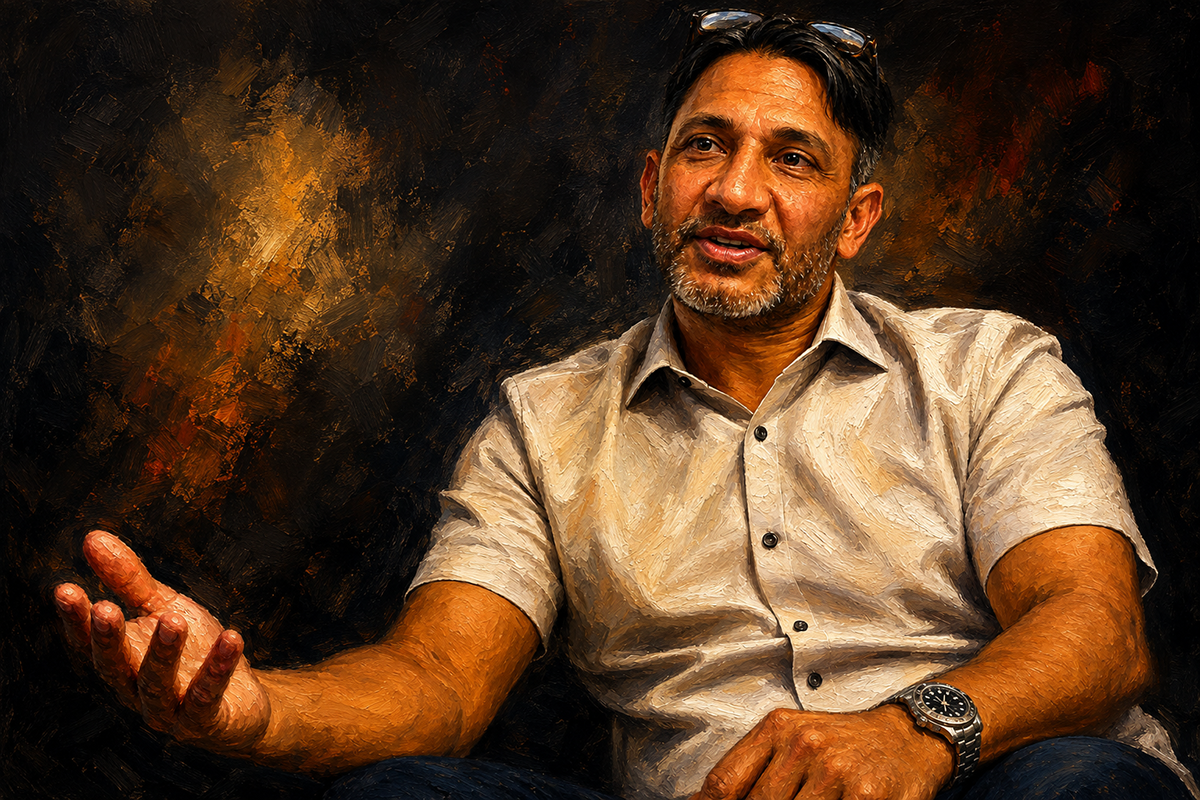
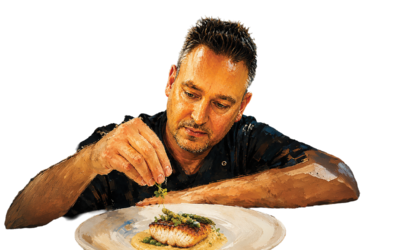
Photo: Christopher Brown: Author, Board Game Designer, And Master Storyteller Behind The Thrilling Universe Of Slaughterville.
Mixing Horror, Adventure, And Heart
Award-winning author Christopher Brown discusses his storytelling philosophy, blending genres, crafting authentic characters, world-building, and the creativity behind his horror-adventure series Slaughterville. A masterclass in immersive and heartfelt storytelling.
C rafting thrilling narratives across horror, mystery, and beyond, Christopher Brown’s career is nothing short of extraordinary. Known for his deeply immersive storytelling, he draws readers into vivid worlds with complex characters and gripping plots. As the founder of Laughing Rogue, Brown seamlessly blends his talents as a board game designer, novelist, and graphic novelist, inviting audiences to adventure through tales that evoke both heart-pounding suspense and heartfelt connection. In this candid conversation, the creator of Slaughterville shares insights about his creative approach, from building dynamic antagonists and balancing pace with character development to navigating the challenges of storytelling and promotion. Prepare to enter the mind of a storyteller who crafts experiences where fiction feels as thrilling and raw as reality.
Christopher Brown excels in weaving gripping tales with profound character depth, blending genres seamlessly to deliver unforgettable storytelling experiences.
When you first conceived Slaughterville, what was the spark or image that stayed with you and compelled you to build a full story around it?
My main spark was that I wanted to build a place where all of a person’s favorite horror films took place. See, it started as a board game and allowed people to tell their own stories. Then it evolved into a role playing game which gave even more narrative freedom to the players. Then, I wanted to tell a cohesive story that represented a “What if I played the game” style of narrative.
Highlights From The Interview:
- Inspiration for the Slaughterville series came from creating a setting embracing beloved horror film elements.
- Brown prioritizes natural story progression and authentic character behaviors in his narratives.
- His storytelling blends genres, balancing adventure, drama, and horror.
- Background noise through podcasts fuels his writing process.
- A steadfast advocate of organic pacing and authentic plot development.
- Takes inspiration from Terry Pratchett’s wit and natural flow in storytelling.
- Insights on sharing the spotlight and supporting fellow writers and creators.
- Believes in breaking out of one’s creative comfort zone, like writing romance.
Your work spans horror, mystery, and fiction. How do you decide which genre a particular idea belongs to — or whether it straddles multiple genres?
I love that it goes across multiple genres. I would say, first and foremost, that this series is an adventure/drama series with horror elements involved. Yes, there are terrible things that happen, but it’s about the people who endure them.
In creating your villains or antagonists, do you start from their backstory or from how they threaten the protagonist? Which approach feels more natural for you?
My main goal is to always make everyone feel, speak, and act like they’re real people. I see so often that characters just act odd or that things miraculously just work out for them. Life isn’t like that. If someone tumbles down a 40-yard embankment, they are going to get injured. If they fight against an undead killing machine, they may not make it out alive. So, for villains, I always start with the backstory. What made them who they are? Why are they now doing what they need to do? And, for the love of all that is Holy, make the Villains real! A true antagonist is not going to sit around waiting for the hero to find them like it’s a video game. They have a plan to accomplish and will do whatever it takes to do so.
What writing rituals or habits do you maintain (daily word-count goals, time of day you write, location, etc.) to keep yourself disciplined and inspired?
I always have to listen to podcasts. I don’t pay attention to them, but I need the background noise. Also, I am the absolute worst person when I am writing. I get so involved in the world that I tend to let time pass without contacting friends or family. I get lost in the process and in the world.
How do you balance plot momentum with character development, especially in horror or suspense settings where pace can be critical?
Pacing is key. The high action vs the brief respite. The claustrophobic feelings of being trapped underground vs the wide-open forest’s ability to give the “the eyes are everywhere” feeling. All of it must feel organic. I have never, and could never, force a plot element. If there is a part of the story that I feel should happen, but the story hasn’t earned it, then it doesn’t happen. Allow the natural build up of moments. For example, (SPOILER ALERT) in Slaughterville: The Beast Within (the first book in the series), you are introduced to the main characters as children. They just moved to town shortly before the book starts and are still in awe of everything. They meet people, have a meal at the diner, and so on. You get to know them. The three little sisters are warned to not play in the woods behind their house several times. The one (Beth) listens. The oldest (Caroline) is the rebellious one and does not. Caroline convinces Maddie (the youngest) to join her. At first, it’s fine. They play and then make fun of Beth for not going because nothing happened and they found something cool. The next time is fine as well. The third time…not ever ending is happy.
Have there been scenes or ideas you’ve cut from your books that you later regretted—and might ever reconsider revisiting?
My motto is this. If it isn’t right for the story, throw it away. I look at it like they’re telling me the story around a campfire and, when something needs to be changed, they say “Oh wait, it was really like this” and we continue. I have regretted cutting out parts that I thought were nice set pieces, but if they did not flow with the story or if having it made the audience suspend disbelief too much, I got rid of it. I never want to have any part of my stories use the phrase “So the story can happen”. In other words, I want the scenes to flow naturally and because of the consequences of actions and not just because I thought it was cool. I can think of several stories where things just work out or scenes just happen that make no sense, but they had to be there to advance the plot. The lack of the narrative natural progression really ruins stories for me.
Which writers (dead or alive) have influenced your style more than you think, and in what specific way (tone, structure, pacing)?
In a positive way, I LOVE Terry Pratchett’s style of using wordplay and turning the odd into normal. He was a master at what he did. Again, he made sure that stories using even the most fantastical elements flowed naturally. In addition, I do not like Stephen King. His style of storytelling is mostly filler followed by a few okay moments. I learned what not to do from King. And there are several others like Robert E. Howard, Mike Baron, and Chuck Dixon that taught me action, adventure, and keeping dialogue natural. I spent a long time reading and learning from others whether it was what to do or what not to do.
What is the hardest part about marketing or promoting your books, and how do you personally navigate that side of authorship?
This is where I am the worst! I have social media, I have the TikTok for BookTok, and I go on interview shows. However, I am a person that, despite knowing that people love the stories, doesn’t feel like they belong. So, I don’t scream from the rooftops. I am the person who will gladly pay people to promote. I have also found that many are frightened. What I mean is that if they get onto a show or get an interview, they want to horde it and keep it secret because if they tell you about it, then you will go on the show, and then there will be customers buying your books and maybe not theirs. I have never been this way. I always tell others about my friends who are also writers like Dash Hooper who wrote Hybrids and Hell Comes to Texas or my other friend Laurie Calcaterra who writes the comic Path of the Pale Rider. I think that the mentality of “It’s mine and you can’t come in” is selfish and greedy, and that’s not how I want to live.
Looking ahead, what kinds of stories or themes would you most like to explore that you haven’t yet tackled?
Well, I have a few that are outside of my normal wheelhouse. I feel it’s important to write stories that you usually might not because it helps to exercise your creativity. For example, I am not into romantic films. However, I have written a short story called “Murphy’s Law” about a man working the mailroom who falls for the new partner of the law firm. This gave me the chance to see dialogue, interactions, and storytelling from a different perspective.
What one piece of advice would you offer to up-and-coming authors (especially in horror or suspense) — something you wish you’d known at the start of your career?
Please, make sure to keep events flowing naturally. Don’t be afraid to remove parts of the story that aren’t working. It’s okay. Also, don’t worry about word count. If you have a good story that has clear and natural progression, then the word count will work itself out. Especially after your 5th round of edits. And READ! Read as much as you can. Audiobooks are great (I love them), but nothing forces you to learn narration, structure, and pacing like actually reading the words. Finally, let your people talk like people! How many times in your average conversation have you heard someone say “Can not”? You don’t! They say can’t and ain’t and other local dialects. Use them, make them feel like real conversations, and that can go a long way towards making the characters feel real.