





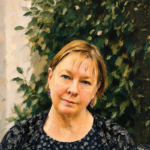






James MacDougall Weaves Mythology, History, and Epic Storytelling in The Pangean Chronicles

Crafting Epic Stories Inspired by History and Myth
British fantasy author James MacDougall discusses building Pangea, balancing writing with teaching, his influences, and the mythology, moral complexity, and emotional weight that define his epic series, The Pangean Chronicles.
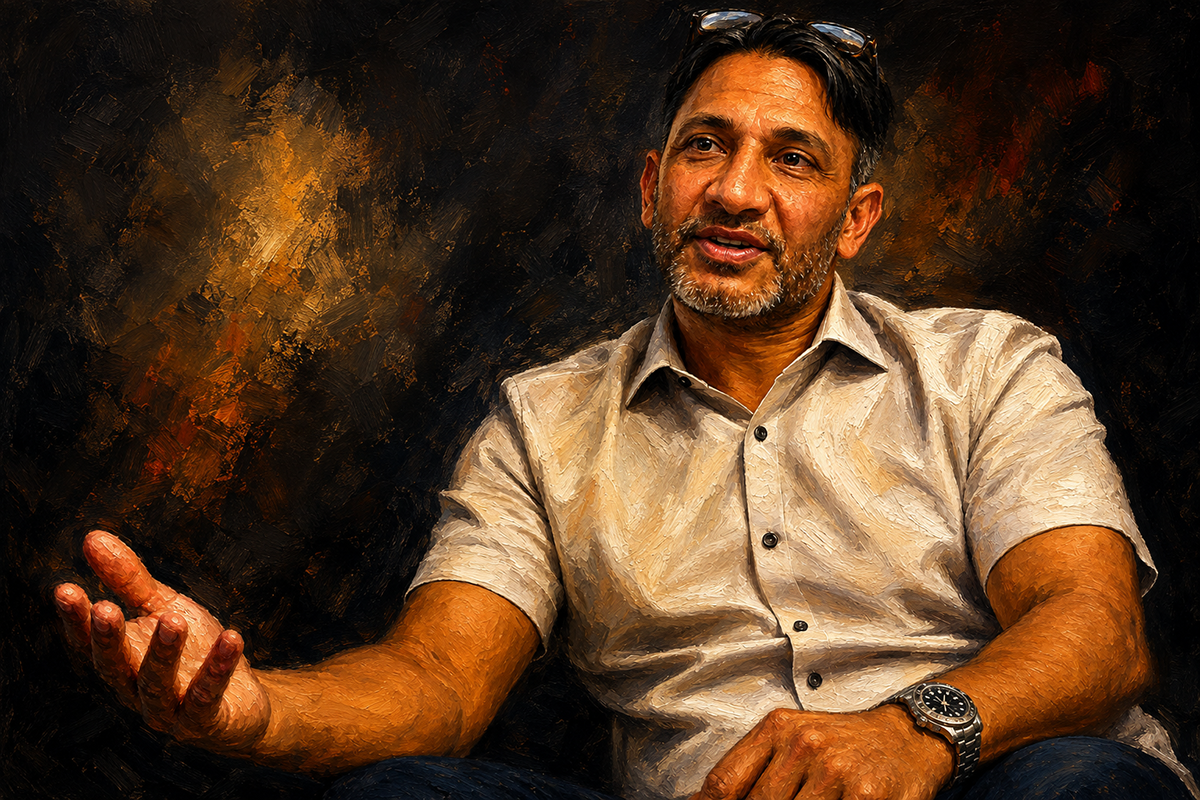
J ames MacDougall’s storytelling is nothing short of extraordinary. As the mastermind behind The Pangean Chronicles and The Shadows of Pangea, MacDougall has carved out a place in the literary world with his richly imagined realms, layered mythology, and morally complex characters. A British fantasy author and full-time teacher, MacDougall masterfully blends his passion for history, mythology, and speculative fiction to craft epic tales that captivate readers with their depth and texture. His ability to explore universal themes—power, belief, and personal transformation—in a setting as vibrant and intricate as Pangea is a testament to his artistry and devotion to the craft.
At Mosaic Digest, we have long admired authors who bring both technical brilliance and emotional resonance to their work, and MacDougall is no exception. His experience with dyslexia has uniquely sharpened his storytelling voice, and his background as a teacher and family man informs the authenticity of his narratives. His characters, like the enigmatic Masshawus and the fearsome Alba, stay with you long after the final page, echoing the fraught moral dilemmas and haunting consequences that define his stories. Whether you are an adventurer at heart or a lover of mythological nuance, MacDougall’s writing has a way of drawing you in and leaving you yearning for more.
In this insightful interview, MacDougall takes us behind the curtain of his creative process, revealing how he has built the interconnected worlds of Pangea, balanced his writing life with family and career, and navigated the challenges of crafting epic fantasy. At once inspiring and intriguing, his journey and philosophy as a writer demonstrate why he is a standout voice in modern fantasy. We at Mosaic Digest are thrilled to feature James MacDougall, an author whose work reminds us of the power of storytelling to transport, challenge, and transform.
James MacDougall masterfully blends history, myth, and emotional depth to create immersive worlds that resonate with readers of all ages.
What inspired you to create the world of Pangea and its intricate mythology?
My world of Pangea has evolved over more than twenty years. As a child, I was captivated by Greek mythology, and later became interested in blending mythic ideas into my own writing. The concept of Pangea itself grew from my fascination with plate tectonics and the idea of all land once being joined. That sense of unity felt like the perfect foundation for creating ancient civilisations, belief systems, and conflicts shaped by deep history.
How has your experience with dyslexia shaped your writing journey and storytelling?
Dyslexia has shaped my writing in ways I only fully recognised later in life. From an early age, I learned to think in images, patterns, and emotional beats rather than neat lines of text, and that way of thinking feeds directly into how I build scenes and worlds. I tend to visualise moments before I write them, focusing on atmosphere, movement, and emotion.
It has also made me more conscious of clarity and rhythm. I pay close attention to how language sounds when read aloud and how easily a reader can follow a scene. Writing with dyslexia requires patience and resilience, but it has ultimately strengthened my focus on accessible, immersive storytelling.
What challenges did you face balancing a full-time teaching career, family life, and writing?
Being a husband, father of three, a full-time teacher, and an author is a constant juggling act. Alongside writing, I also manage my own marketing, which adds another layer of challenge. I’m fortunate to be a natural early riser, and I use the quiet hours of the morning to focus on writing without distraction.
Teaching holidays allow me to immerse myself in larger projects, but balancing self-promotion alongside lesson planning and family life can be exhausting. Despite that, the balance I’ve found is deeply rewarding.
Who are your biggest literary influences, and how have they impacted your writing style?
When The Pangean Chronicles began to take shape, I was reading The Dark Tower series by Stephen King. I admire the way he abandons rigid boundaries and blends genres freely. That creative freedom strongly influenced my own approach to fantasy.
I am also deeply influenced by J.R.R. Tolkien and C.S. Lewis. Their mastery of world-building and the emotional weight of the worlds they created inspired me to construct Pangea as a place with its own history, mythology, and internal logic.
Can you describe your process for building the interconnected worlds of Pangea?
Pangea wasn’t built all at once, and it didn’t begin with a map. It grew organically from myth, history, and a sense of deep time. I approach it as a single living world, where events in one place ripple outward and influence cultures, beliefs, and characters elsewhere.
I keep notes on mythology and history, but I also allow the world to evolve naturally as new stories emerge. If something exists in Pangea, it needs a reason to be there, whether mythological, political, or personal.
How do you approach developing complex characters, like Masshawus and Moyels, in your stories?
I focus on motivation rather than morality. I’m less interested in whether a character is good or evil and more concerned with why they make the choices they do. Characters like Masshawus and Moyels are shaped by belief, fear, loyalty, and responsibility.
I also allow characters to change over time. Their decisions create consequences that follow them beyond a single book, helping them feel grounded and real within a mythological setting.
What do you hope readers take away from The Shadows of Pangea series?
Above all, I hope readers are left wanting more in their connection to the world itself. I want Pangea to feel like an ever-expanding place, rich with history, culture, and untold stories.
If readers finish the series feeling that Pangea is a world they want to return to and explore further, then the books have achieved their aim.
Do you have a favourite character in your books, and why do they resonate with you?
I don’t have a single favourite character, but several resonate with me in different ways. Manu stands out for his emotional depth and the secrets he carries, while Alba is my darkest and most unsettling creation. Her lack of conscience and ability to manipulate others made her both terrifying and fascinating to write.
Interestingly, Cordell reflects aspects of my own personality, particularly indecision and avoidance, which made him a compelling character to explore.
How do themes from epic fantasy and dark speculative fiction shape your narratives?
Epic fantasy allows me to explore large-scale ideas, while dark speculative fiction lets me examine their human cost. I’m drawn to moral ambiguity, belief systems, and the consequences of power.
These genres give me the freedom to tell immersive stories that balance mythic scale with emotional truth.
Do you find that working in education has influenced the themes or characters in your writing?
Teaching has influenced my writing in subtle but meaningful ways. Being around growth and uncertainty has shaped my interest in mentorship, authority, and the long-term impact of decisions.
It has also reinforced my focus on clarity and accessibility, helping me present complex ideas in a way that invites reflection rather than confusion.
How do you incorporate elements of myth, gods, and trials into your books to create dynamic storytelling?
I treat myth and gods as active forces that shape belief systems and personal choices. Trials are designed to test characters emotionally and morally rather than simply showcasing power.
By grounding mythological elements in consequence and choice, the story remains dynamic and character-driven.
What advice would you give to other aspiring authors balancing writing and personal commitments?
Let go of the idea that writing has to look a certain way. Progress often comes from small, consistent efforts.
Find a routine that fits around real life, be patient with yourself, and focus on telling the stories that matter to you. Writing is a long game, and persistence matters far more than speed.