



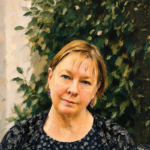







Keith Stoeckeler Shares How The Sparkly Bun Inspires Confidence, Kindness, and Humor in Young Readers

Keith Stoeckeler, award-winning children’s author of The Sparkly Bun, shares thoughtful insights on creativity, individuality, and storytelling.
The Art Of Confidence And Kindness
Keith Stoeckeler opens up about writing The Sparkly Bun, blending humor with life lessons, the importance of collaboration, and how creativity fosters confidence, kindness, and individuality in children.
K eith Stoeckeler is a storyteller of remarkable heart, creativity, and vision. As an award-winning children’s book author and the founder of the innovative creative studio Heartlent Group, Keith has made a mark not only as a gifted writer but as someone who truly understands the power of connection and individuality. His debut picture book, The Sparkly Bun, is a delightful triumph of humor, warmth, and meaning. Lauded with international book awards, the story captures young readers’ imaginations while addressing themes of confidence, kindness, and self-expression—qualities that are essential yet often overlooked in today’s world.
In this interview, Keith takes us behind the scenes of his creative process, exploring the unique journey of crafting The Sparkly Bun. From his inspiration as a parent watching his own children navigate early pressures of conformity to the magical collaboration with illustrator Lana Lee, every step of the book’s creation is a testament to his passion for storytelling. Keith’s words remind us that children’s literature is not just about lessons but about laughter, joy, and discovery. As you read this conversation, we hope you’ll come to admire not just the author but the heart behind the story—one that continues to spark important conversations among kids, educators, and parents alike.
Keith Stoeckeler is a masterful storyteller whose heartfelt and hilarious work inspires children to embrace their unique individuality.
What inspired you to write The Sparkly Bun?
The idea came from watching my kids navigate that early pressure to fit in. Those moments show up fast. What you wear. What you like. What makes you different. I wanted to write a story that meets kids right where they are and tells them it is okay to like what you like and to show up as yourself. And I wanted to do it differently, and the idea of incorporating my love of cheeseburgers wouldn’t leave my head.
Why did you choose confidence, kindness, and individuality as the key themes for your book?
Those themes tend to show up in real life before kids have language for them. Confidence and individuality often get framed as opposites of kindness, when they should work together. I wanted a story that shows you can be kind and still stand out.
What was the creative process like when working with illustrator Lana Lee?
It was very collaborative. I trusted Lana to bring visual ideas that went beyond the text, and I leaned on her experience with children’s books since this was my first one. The burger outfits and visual humor added layers that words alone could not, and Lana got it instantly. Whenever I got a message from her with a new sketch or something to show me, I practically dropped everything to look at it.
How do you balance humour with important life lessons in children’s storytelling?
The humor comes first. If kids are not engaged, I don’t think the lesson lands. I try to let the message emerge naturally from the story rather than explain it. When kids laugh or smile, they stay open to what comes next.
What feedback from kids, parents, or educators has been the most meaningful to you?
Hearing that kids ask to read it again. That is the biggest signal. Parents and educators often share that it opens conversations without feeling heavy. That matters to me more than praise.
How has founding the Heartlent Group influenced your approach to creativity and storytelling?
Running a creative studio teaches you to think about the audience first. It also teaches you to edit. In both business and books, clarity matters. You have to know what you are trying to say and remove anything that gets in the way.
What do you hope both children and parents take away from The Sparkly Bun?
I hope parents feel encouraged to let kids explore who they are without rushing to correct or fix. Sometimes creativity is the solution.
How important is collaboration with illustrators when creating a children’s book?
It is essential. The illustrator is not decorating the story. They are telling it too. The best books happen when both voices support each other.
For new authors, how would you suggest marketing a children’s book to reach educators and parents effectively?
Start with relationships, not reach. Teachers, librarians, and parents talk to each other. Focus on being useful. School visits, readings, and real conversations go further than chasing numbers, and they were the things my kids loved the most.