





From Crafting Worlds To Creating Characters: Karlene Tura Clark
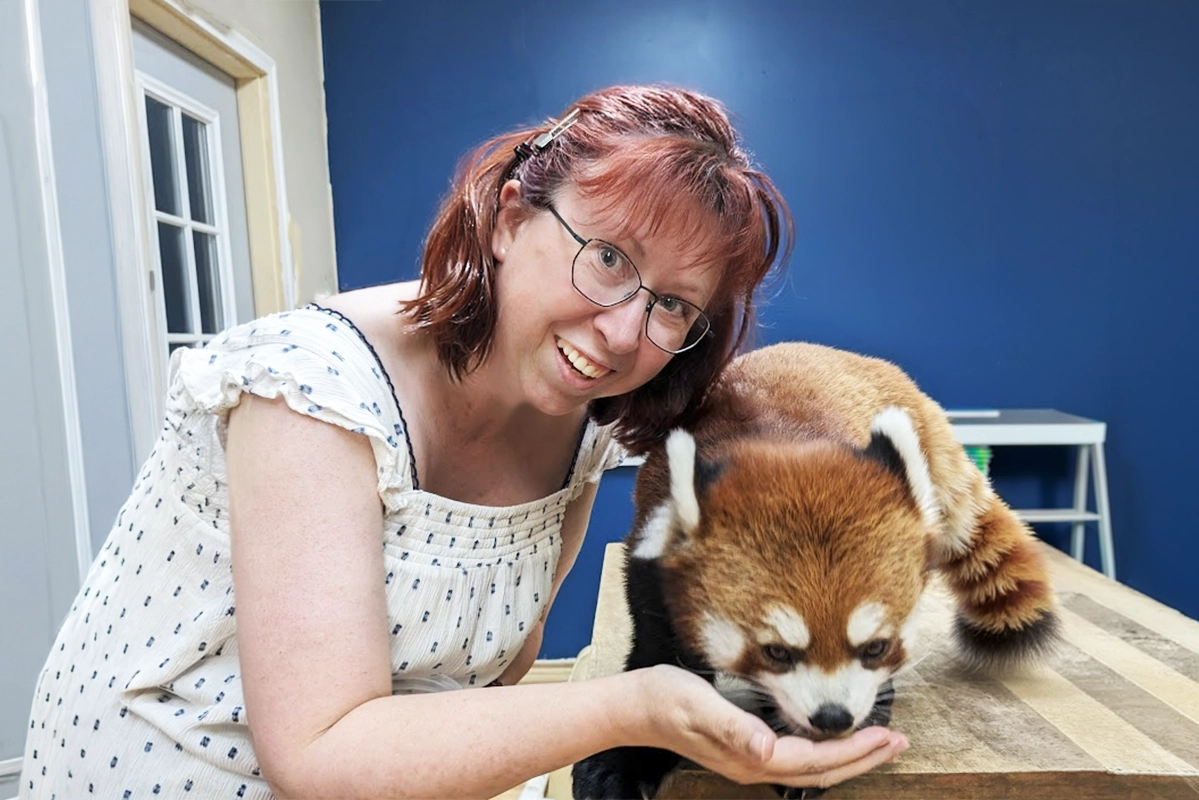
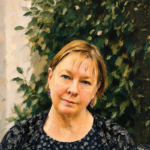
Photo: Karlene Tura Clark – A masterful storyteller crafting worlds of magic and beauty.
A Celebration Of Magic, Myth, And Reality
Author Karlene Tura Clark shares insights on I See The Moon, her creative process, the inspiration behind Lena, and practical writing advice for aspiring writers with a love for fantasy.
K arlene Tura Clark is a brilliant storyteller whose remarkable talent has enchanted readers with unique worlds, mythical elements, and compelling characters. With her passion for fantasy and alternate histories, she skilfully weaves evocative tales that transcend reality and leave readers spellbound. Her latest work, I See The Moon, is an inspiring blend of magic, nature, and self-discovery brought vividly to life through the strong, relatable lead of Lena. Karlene’s ability to balance fantastical elements with deeply human themes of identity and acceptance is a testament to her exceptional craft and creativity. Avid fans of fantasy will find themselves captivated by Karlene’s imagination, rich narratives, and her heartfelt connection to her stories.
An exceptional author with exquisite storytelling prowess, Karlene blends fantasy, mythology, and human emotion into unforgettable, magical narratives.
What inspired you to write “I See The Moon”?
Many of my stories come from things I experience. In this case, the kernel of the idea came from an online game my husband and I play where an adventure led someone to earn a reward. Of all the books I’ve written, I feel like Lena was the most natural to write as she has so much of my personality in her. I also know a great many people that follow a nature-based spirituality practice and wanted to honor that in some way. The state park was something I had visited years ago and stayed with me.
Can you tell us about the creative process behind developing Lena’s character?
As I mentioned, she has a lot of my personality, which made her easy to write. I wanted a strong, independent woman that still doubted herself and her abilities. I always used to say that my red hair warned people of my “spicy” attitude, so it was perfect to give Lena red hair as well! Determining her clothing was also instrumental to her story – when you have someone that wants to look nice but isn’t “girly” it can be difficult to present. Music was the other part of the process. Each of my books has a musical soundtrack I use when I write to help get into the mindset of a character.
“It’s okay to be weird. It’s okay to be different. Your unique path has a great purpose behind it.”
– Karlene Tura Clark
How did your personal interests, like crafting and caring for your African Grey, influence your storytelling?
Nisse is our 19-year-old Grey. She was a huge factor in how I developed a gryphon in my book Assassin’s Gift. The sassy playfulness coupled with the attitude of a much bigger bird in that little body fit perfectly with the creation of a young gryphon! My interest in tabletop gaming has certainly been a factor in developing a style close to lit-RPG for many of my books. I enjoy archery. I’m also a people watcher, so I enjoy putting mannerisms, inflections, and specific things I hear into the writing (changing them to fit the fantasy world).
What was the most challenging part of writing “I See The Moon”?
Since I was using real world locations I hadn’t seen in about 10 years, I had to rely on a friend that lives in that area to walk the path for me to be sure most elements were done correctly.
“Each of my books has a musical soundtrack I use when I write to help get into the mindset of a character.”
– Karlene Tura Clark
How did you develop the mythical elements and the world in your novel?
I love lore about faeries and mythology, so that created a natural backdrop. I have spreadsheets with spells I’ve created, such as in Dawn of the Golden Sorcerer, just so I can keep track of them. Some magic requires words or rhyming, others require hand gestures, and some might require special items to make it activate. I look into history and how people believed magic and alchemy worked to create the system used. For Lena, I thought about six-pointed stars, and if taken apart became two triangles that can be pulled from the sky and used as “holy power.” I also thought about how water is often used as a conduit for transcendent connection with many world faiths. The short story online, Dark Dreams: Redemption, shows her using water in this manner.
Do you have a favourite character in “I See The Moon”, and if so, why?
Naturally, Lena! She’s mouthy, unapologetic and brash… yet underneath it all she’s not that confident and just wants to be accepted without being “weird.” It’s my hope that others can see Lena’s show of bravado as the front it really is. Underneath our daily lives, I think a lot of us are scared kids about something or feel we just aren’t enough.
“Underneath our daily lives, I think many of us feel like scared kids or think we’re just not enough.”
– Karlene Tura Clark
What message or theme do you hope readers take away from your book?
It’s okay to be weird. It’s okay to be different. And just because your path doesn’t look like everyone else’s doesn’t mean there isn’t a great purpose behind it! It’s taken most of my life to come to terms with the fact that I’m not like most people I know and that that makes me a stronger person and a better addition to any group. Seeing that not just Lena, but each of the characters are so different, is important to me. I want readers to realize that our strength is in believing in ourselves and trusting those we choose to work with.
What inspires your writing on a day-to-day basis?
People that encourage me with their interest to read another chapter. Some remind me they’re waiting tobe my editors! Otherwise, music is my biggest thing. I get the right music going and stories like Lena’s seem to just write themselves! I also have about four different projects going at the same time. That way, if I feel writer’s block with one story, I can work on something completely different – like a palate cleanser. And I still get writing done!
What writing tips would you share with aspiring authors?
10 minutes a day. Everyone always says they don’t have time to write, but we do. I do ten minutes at lunch most days of the week. It may only be a few paragraphs, but it’s still something! And you don’t need to write in order. If the perfect scene for the middle of your book is at the front of your mind, write that! You can always edit later to fix around it. Don’t worry about the right words. My first drafts often have a word that repeats over and over. When you finish the manuscript, go back and read it again. That’s when you start catching repetition and can use a thesaurus to fix it.
Your first draft won’t be good. None of mine are. Just get it on paper. Then you edit. Edit a third time. That’s when it starts to become a cohesive story. Don’t worry about word count and don’t think you’ll be doing a three-volume epic. Focus on one story. One thing. And know what the end is (roughly -since this can change as you write!).
What is your advice for aspiring authors?
Talk to authors. Find out where they write, how they write, how they network, how they promote their work, any of those details! And then write. Let it be terrible. That’s what editing is for! We all have those times we’re standing in line or waiting in the doctor’s office. Jot those thoughts down! Ultimately though, it comes down to two things: 1) Decide to write. And 2) BicHok: butt in chair, hands on keyboard.
How do you balance writing, your other interests, and everyday life, and what advice would you offer to other authors in a similar position?
My husband drives when we go places, so I can use that as crocheting time in the car! Most of my friends know that my fingers have to be busy, so there’s usually some project happening, even while we visit. Develop times and places that work for you to do activities, especially your writing! Try not to get so locked into that place though that you find you cannot write anywhere else.