






Barry Maher Explores Demons, Darkness, And Redemption
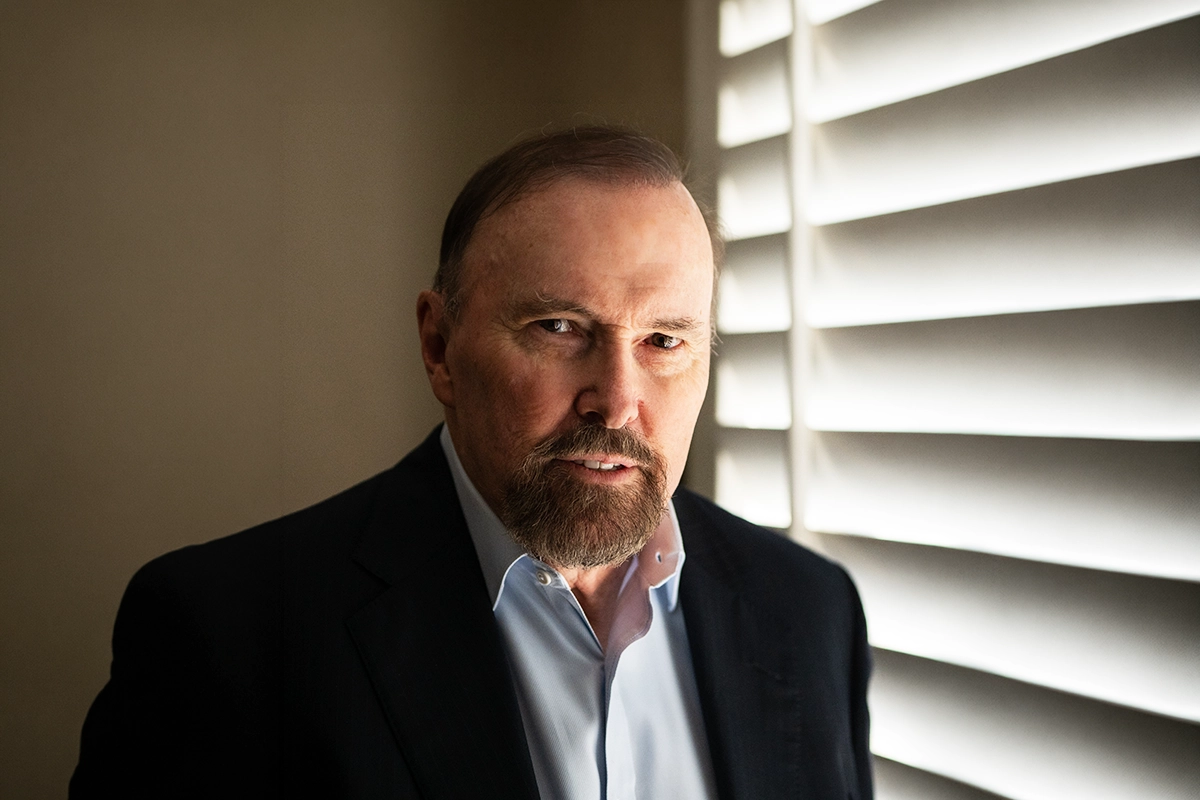
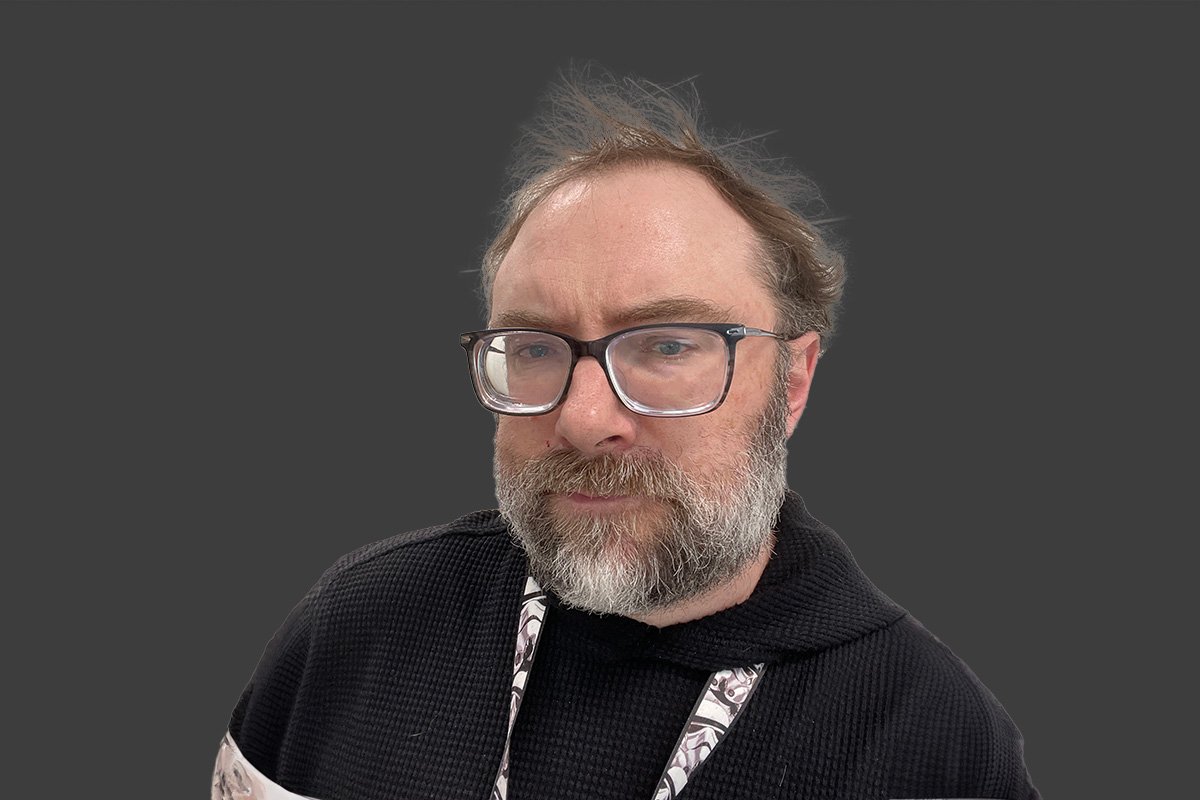
Photo: Barry Maher: The masterful storyteller behind The Great Dick: And the Dysfunctional Demon, blending wit, horror, and dark humour.
A Masterclass In Horror And Humour
Barry Maher shares his inspiring journey, from overcoming personal battles to crafting a supernatural thriller packed with wit, horror, and unforgettable characters set in 1980s California.
B arry Maher, an extraordinary storyteller and a rising star in supernatural fiction, brings readers a mesmerising blend of horror, wit, and heart in The Great Dick: And the Dysfunctional Demon. With a background as diverse as his characters, Barry’s journey from living on the beach to captivating audiences worldwide imparts both authenticity and depth to his writing. His debut novel is a multilayered thrill-ride that plunges into the surreal, while cleverly intertwining dark humour and terrifying supernatural themes. Praised for his literary brilliance by New York Times bestselling authors, Barry Maher’s storytelling transports readers to vivid darker realms that are as horrifying as they are thrilling. This interview uncovers the inspirations, process, and profound resilience behind his creation of this spellbinding tale.
Barry Maher combines incredible wit, depth, and storytelling expertise to create enthralling, terrifying, and unforgettable supernatural tales with remarkable authenticity.
What inspired you to write The Great Dick: And the Dysfunctional Demon?
It wasn’t inspiration, it was surgery. I woke up from having a huge cancerous brain tumor cut out with Lady Gaga singing nonstop in my head and a vivid, full-blown, horrific story like a memory of something that I’d just witnessed.
And that story became The Great Dick: And the Dysfunctional Demon.
I wrote it because it was a story well worth writing—exciting, thrilling, terrifying, sometimes funny. I also wrote it to prove—if only to myself—that there’s life after a cancer diagnosis. This is my way of getting the absolute most out of my life.
How did your personal experiences influence the creation of your characters and setting?
The setting is a stylized version of the area where now I live, the central coast California. But it’s set in 1982, a time of change. The world of the sixties was vanishing. A new “Greed is Good” ethic was taking over.
As for the characters in The Great Dick: And the Dysfunctional Demon, the hero—or antihero—starts out by admitting he’s an ass, then immediately starts proving it. We’ve all met people like him, though few are as self-aware.
Personally, I’ve never met a dysfunctional demon, though my guess is that most demons are dysfunctional. I can’t be easy growing up demonic. Still, it turns out demons become more terrifying the more like us they become. Similarly, supernatural thrillers such as The Great Dick: And the Dysfunctional Demon, are extrapolated from real life. That’s what makes them so horrifying.
“Steve was surethe old sorcerers’ spells couldn’t work. Until they did. And unknown to him a demon was growing desperate.” – Barry Maher
Could you share how humour and horror intersect in your storytelling?
I would hope they intersect very naturally. All the humour in the story grows naturally out of what the characters are going through. And just because a situation may be horrific doesn’t mean someone won’t find the humour in it. For Steve, the antihero, especially, humour helps him deal with the increasingly bizarre events around him. It’s a way of coping, a defense and sometimes a way to attack. Even as his life is falling apart around him. Even as things that can’t possibly happen do happen.
Steve is one of a two characters who, almost on their own, turned out to be much funnier than I expected them to be. And he’s the most consciously and deliberately funny.
What was the most challenging aspect of writing this supernatural thriller?
The greatest challenge in dealing with the supernatural is making it natural, making it every bit as real as the world around you now. Telling the story from Steve’s point of view helped greatly. Steve was initially as skeptical as any reader could be. And when we see the horror happening through his eyes, once he finally believes, we believe.
How do you develop such vivid and unique characters like Steve and Victoria?
To develop Steve and Victoria, I learned everything I could about their backstory. Who they had been. Who they were now and why. Who they wanted to be and what they wanted.
Then, when I put the various characters through the crucible of the story, they developed much as a person develops under profound stress. Sometimes that development surprised me. So I was never completely sure how they would react or how it would affect them in the future.
“What a page turner! Witty, literate, scary, sexy, and powerfully evocative . . . Barry Maher is a brilliant new talent.” –Gayle Lynds, NY Times bestselling author of The Assassins and Masquerade.
What role does your background in journalism and poetry play in your fiction writing?
The slightly off-kilter name of my syndicated column also describe the kind of journalist I was, at best. Still, journalism taught me the value and the importance of research. And research helped to ground many of the supernatural elements of The Great Dick: And the Dysfunctional Demon. Journalism also gave me the attitude that writing is a job. Not in the sense that it’s tedious, but in the sense that it’s far better when it’s done with discipline and determination. \
Can you tell us about your writing process and how you stay motivated?
My process couldn’t be simpler. I get up in the morning, have breakfast, grab my laptop and sit down in my recliner with a view of Santa Barbara, the ocean and the beach that was once the only bedroom I could afford. (I’ve been very lucky.) I start to write. Or rewrite. Or rewrite some more. I stop for lunch, then write until dinner. After dinner, I enjoy what others have written.
I believe in the old saw that writing is re-writing. My first draft is to get down as much of the story as possible. Then, in the next draft ,I try to hone the story, scene by scene, polishing each one until it’s as good as I can make it. Then I move on to the next scene. With each draft, I go through the process all over again.
Do you believe your time as a speaker has influenced your storytelling voice?
What a wonderful, perceptive question. Strangely, that’s the first time I’ve ever been asked it. But yes, as a speaker you get immediate feedback on what works in storytelling and what doesn’t work. You learn to grab an audience quickly, to hang on to their attention, and to wrap the story up in way that leaves the audience both satisfied and wanting more.
Every step of the way, you get the audience’s reaction in real time. You seldom have to wait for the written evaluations, but you get plenty of them too.
11. What are the top writing tips you would share with aspiring authors?
Just one. But it’s by far the most important one. Write. That’s how you learn to write. That’s how you develop your style.
If you sit around waiting for inspiration, if you keep finding excuses to do anything but write, you’re still going to be doing that while people who started after you, even some with less talent, are signing copies of their book for fans.
12. What advice would you offer to authors struggling to get their work published?
Make your work as good as you can possibly make it. Then make it even better. But if you still can’t find a publisher after that, consider self-publishing. I’ve never really done it myself, but at some point I may. The big attraction for me is that by making more on each sale, I could afford more marketing. And therefore make more sales.
I know writers who have attracted a substantial followings and made upwards of six figures by publishing their own books. Just remember, it does mean learning an entirely new business. And when you’re working in that business you aren’t writing.