




C. D’Angelo Weaves Italian Heritage, Food, and Passion Into Stories That Inspire
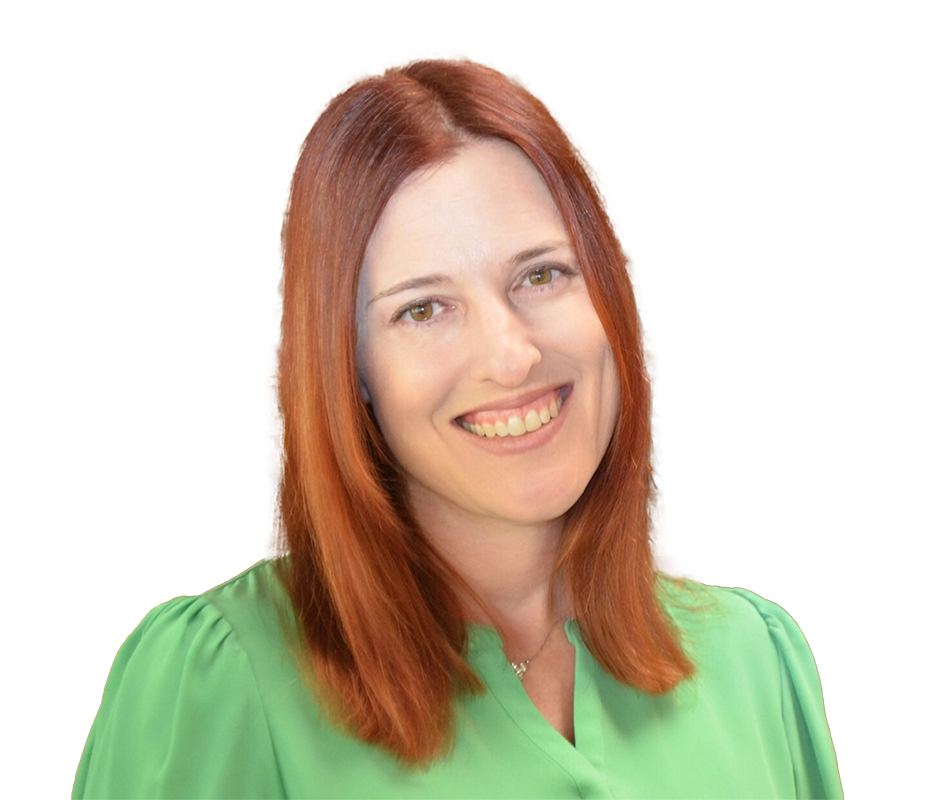
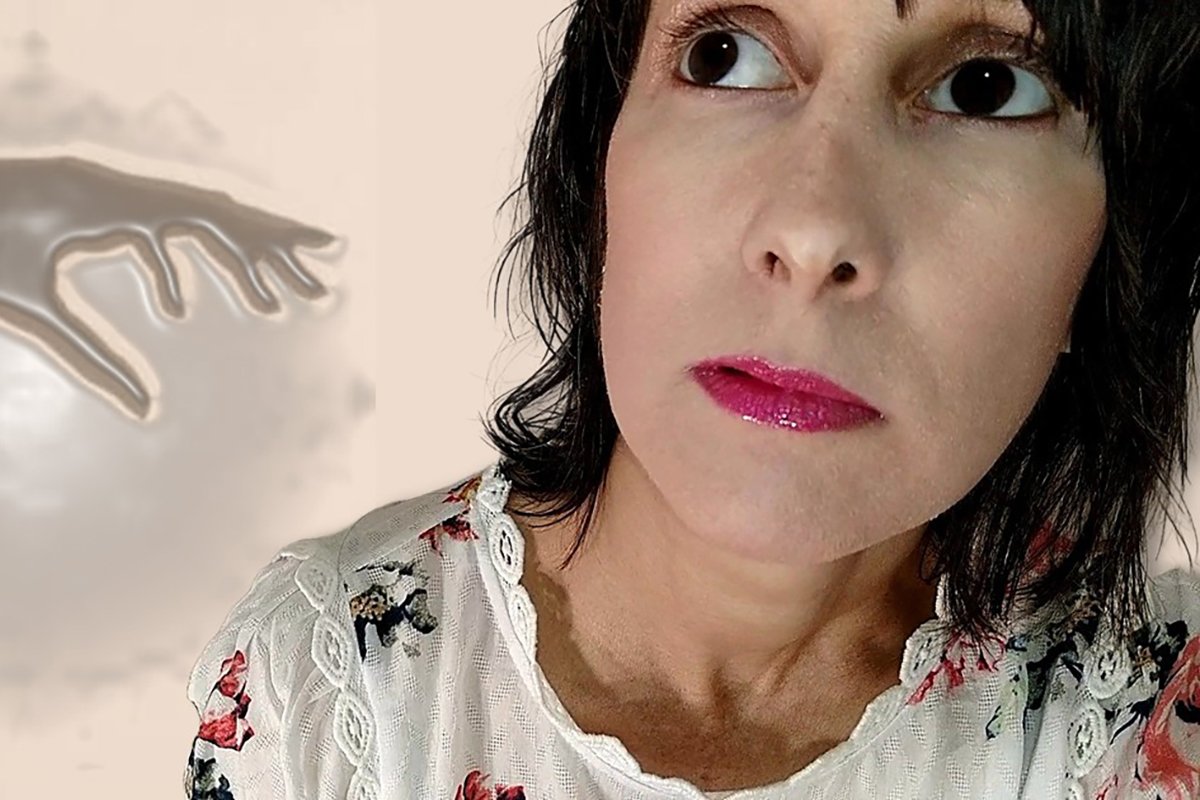
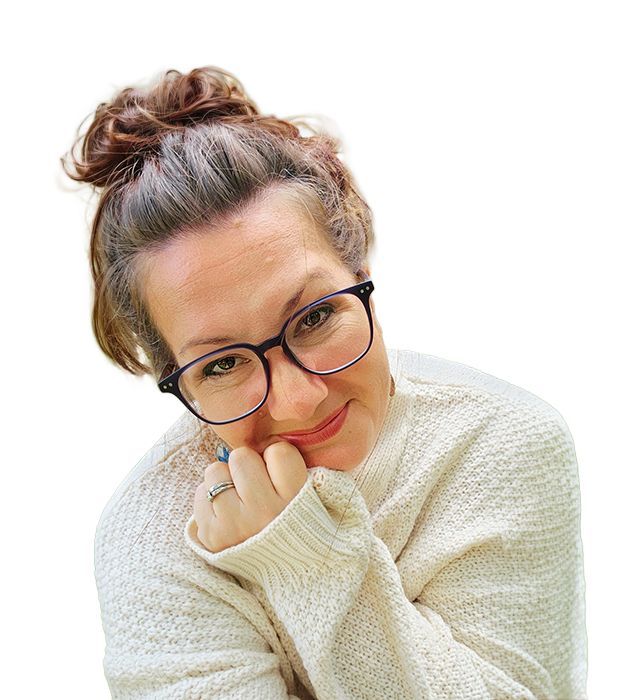
C. D’Angelo, award-winning author of The Difference, The Visitor, and The Gift, shares her stories and creative inspiration.
The Writer Behind The Difference and The Gift
C. D’Angelo discusses blending Italian culture with universal themes, her journey as an author, her mental health expertise’s role in writing, and advice for aspiring writers to follow their passions.
C . D’Angelo is a true gem of the literary world, seamlessly blending her rich Italian-American heritage with universal stories of love, identity, and family. Her ability to weave compelling narratives that transport readers into a world filled with tradition, food, and heartfelt moments has earned her a place as an award-winning author in Women’s Fiction. With books such as The Difference Duology, The Visitor, and her latest, The Gift (Vintage Vines Series Book 1), D’Angelo proves time and again how she can touch on the struggles and triumphs of the human experience while grounding her work in the unique textures of her culture.
At Mosaic Digest, we believe in celebrating voices that bridge history, tradition, and emotional depth, and D’Angelo’s novels do exactly that. More than just a storyteller, she brings her expertise as a licensed mental health counselor into her writing, crafting characters who are as authentic and layered as the readers who connect with her stories. In this interview, discover the passionate journey that brought her words to life, her innovative approach to writing, and how she continues to inspire through her artistic and heartfelt creations. We’re thrilled to feature such a talent within our pages. Let’s delve into the incredible mind behind these unforgettable books.
Your debut novel The Difference came to you almost all at once, but you spent years filling in details and refining. What strategies did you use to maintain momentum and focus during that long writing and editing process?
When I first started writing The Difference, I’d never written a novel before so didn’t have the consistency I needed. I’d write one day then not again for months, adding up to having only half of the first draft a few years later. I even took a three-year break at one point then caught the bug to finish. Once I decided to devote time to writing, the rest of the draft flew out of me. The key was making the choice to prioritize writing in my life.
Italian culture plays an important role in your stories: family, food, and heritage are recurring themes. How do you balance authentic cultural detail with universal themes so that readers from varied backgrounds can still deeply connect with your work?
We’re all human, therefore we all eat, sleep, have relationships, and have treasured traditions. This foundation can be found in most cultures and I like to build on these blocks in my stories, through the lens of the Italian culture. I write from being a human who happens to be Italian American. Next, I add in the delicioso details of the Italian food I love, the enchanting music from my heritage, and common family occurrences that may evoke a familiarity with readers’ own culture, or inspire them to further seek connection. As a psychotherapist for twenty-five years, I’ve found people are more similar than dissimilar and we can see parts of ourselves in realistic characters.
Your novels often explore genealogy and the pull of ancestry. What have you discovered—personally or creatively—from doing your own family history research, and how has that shaped your narratives?
My grandpa’s childhood in Italy was a mystery because he wouldn’t talk about it. When I started writing The Difference, I was also researching my family history, only finding my grandpa’s “secret” by connecting with living decedents. The idea that people’s motivation for action, such as my grandpa moving to the US, are sometimes lost to time saddened me, but what if they’re not lost? What if I could be a voice, with answers I longed to hear from my grandpa? In my stories, I share possible thoughts, feelings, and behaviors from characters who clarify their identity, with history as a guide. They represent our ancestors, those who may not have wanted to or had been able to share their incentives for change. It inspires me for the future and is a catalyst for my stories.
Music is one of your hobbies and even elements of your fiction (e.g. The Gift involves a cellist). How does your musical sensibility influence your writing—rhythm, structure, metaphor, etc.?
I think in musical terms—my Italian family members and I all play instruments and music enveloped my house in childhood…it’s in my blood! Just as playing for musical expression, my writing expression is based on feeling what the plot needs to progress, to tell the story and evoke emotion from the audience. I feel when the story needs a crescendo and how many beats it takes to build to that climax. There’s a musical foundation I know in my heart which influences the elements of music to shine through.
You also work full‐time as a psychotherapist for young adults. How does that professional experience feed into your portrayal of characters, especially regarding emotional struggle, growth, or mental health?
From the moment I started writing The Difference, I used my experience as a therapist to envision character quirks, behaviors, internal struggles, and relationship dilemmas. I imagine the character sitting across from me on the couch and can see what they’d be doing or verbalizing, since after all this time in my career I’ve concentrated on these factors. Also, I make sure to integrate mental health storylines, be it a disorder characters have (such as Rachel in The Difference) or a toxic person in their life (Toni in The Gift). Helping the characters grow in how they navigate their mental health struggle is part of the relatability of my stories because nobody lives a life with perfect mental health.
In The Visitor, the setting of New Orleans and its culture (including mysticism and heritage) are richly drawn. How do you do your location and culture research, and how do you ensure accuracy while letting creative license have its place?
Much of my location choice depends on the story’s needs. For example, in The Difference, I needed a city where immigrants from Italy lived in a certain time period. As for accuracy, I’ve been to a few of the settings I’ve written about, but some not. This is where my love of research comes into play. I deep dive for fun, accumulating and organizing my online research for easy access when I write (The Gift had almost fifteen pages!). My stories will always be based in reality, with the most truth possible, but the characters have a mind of their own and have endless creative license.
When you receive feedback from beta readers or editors, what do you consider non‐negotiable in terms of preserving your voice or authorial intention, and where are you more willing to compromise?
I don’t have a strict rule but I know when I know. For example, a past editor told me to delete many of my food descriptions from The Difference. Well, thank God I kept them because they were a HUGE hit with readers and helped shape my writer identity as an author who makes mouths water. Being self-published, I have the final say so I take comments, stew on them, then decide if I need to make changes. I trust my team, though, and most of the time their suggestions are right.
The Gift explores themes of midlife crisis, career change, and following one’s passion. What advice would you give to readers facing similar challenges, based on your own journey?
Embracing any challenge is uncomfortable, scary, and often avoided. Choosing to write, ahem, putting my art out there for all to see, is not easy, but one I keep doing. Why? Because it evokes fulfilment to hear readers say they made life changes because of being inspired by my characters or that they found the escape they needed when reading my books. Any new choice or phase is hard, but if you want something, you’ll make it happen. Lean on your intuition, your support system, and take that leap you wonder about so that you can find your own fulfilment. Maybe the best chapter is yet to come.
Advice for other authors: Having walked the path from initial idea to full publication (including editing, querying, and choosing a publishing path), what three pieces of practical advice would you give to emerging authors who are just starting their first novel?
- Be yourself. Nobody else has your voice and that’s what sets you apart.
- Trust your gut. You’ll know how the story wants to be told and guess what, you’re right.
- Have structure. Consistent structure for writing tasks is the key to movement.